Skydio
Skydio is a Drones & UAS Autonomy company founded in 2014 and based in San Mateo, United States. It has raised $400M in total funding, most recently a Series E extension in 2024 at a $2.2B valuation.
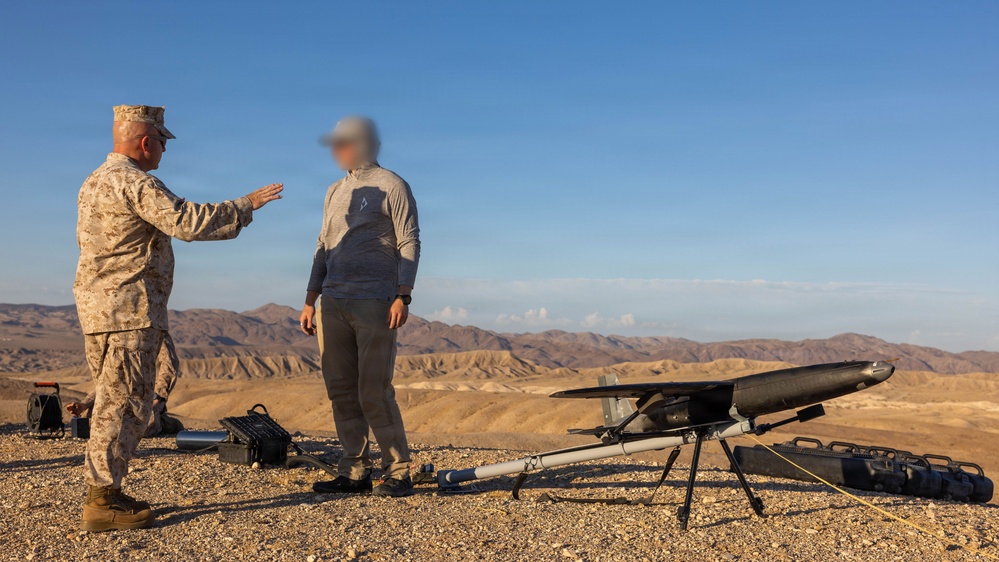
Skydio designs and manufactures autonomous drones whose onboard Autonomy Engine uses computer vision and AI to fly, avoid obstacles, and complete missions without a human pilot, even in GPS-degraded environments. Founded in 2014 by MIT-trained engineers Adam Bry, Abe Bachrach, and Matt Donahoe, the company pairs its aircraft with autonomous docks that let drones launch, fly inspection or security routes, and return to recharge on their own. Skydio is the leading US-made autonomous drone maker, cleared on the DoD Blue UAS Framework, with deployments across military, public safety, and enterprise inspection. It has raised over $850M total, most recently a Series F at a $4.4B valuation. Skydio has announced a $3.5B commitment to US drone manufacturing, while a China sanctions-driven cutoff of its battery supplier disrupted its supply chain and forced temporary one-battery-per-drone rationing for customers.
The reference point for full-autonomy flight in a US-made platform, pairing AI-piloted drones with self-operating docks to remove the human pilot from inspection and security missions.
skydio.com ↗·Drones & UAS Autonomy· United States·private