Zipline
Zipline is a Drones & UAS Autonomy company founded in 2014 and based in South San Francisco, United States. It has raised $930M in total funding, most recently a Growth in 2026 at a $7.6B valuation.
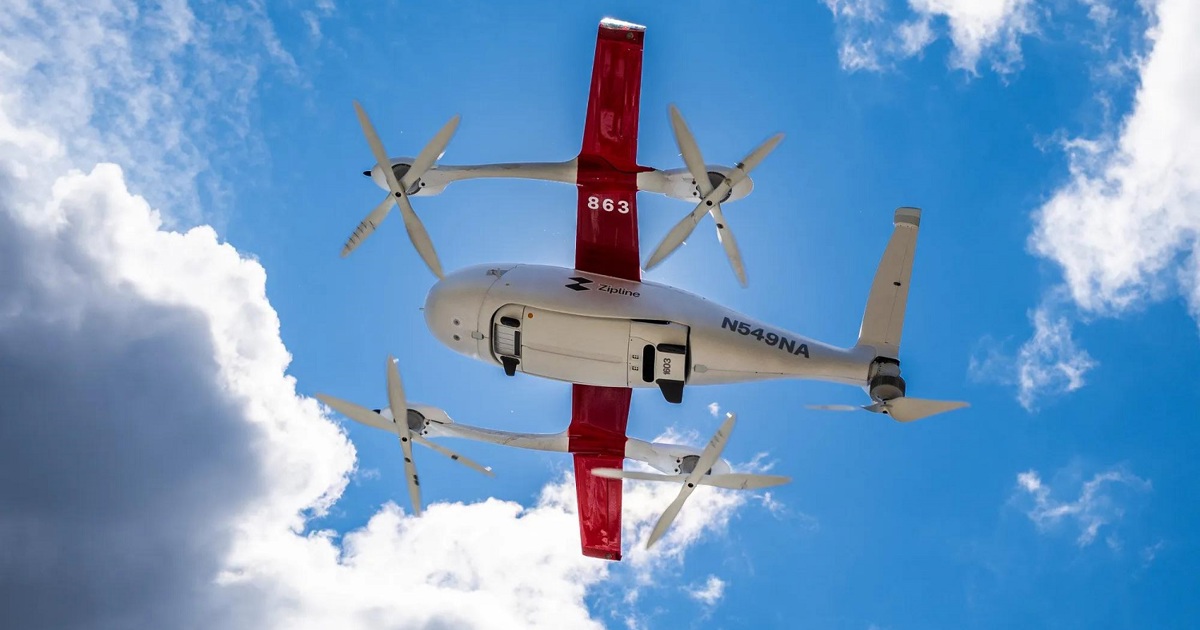
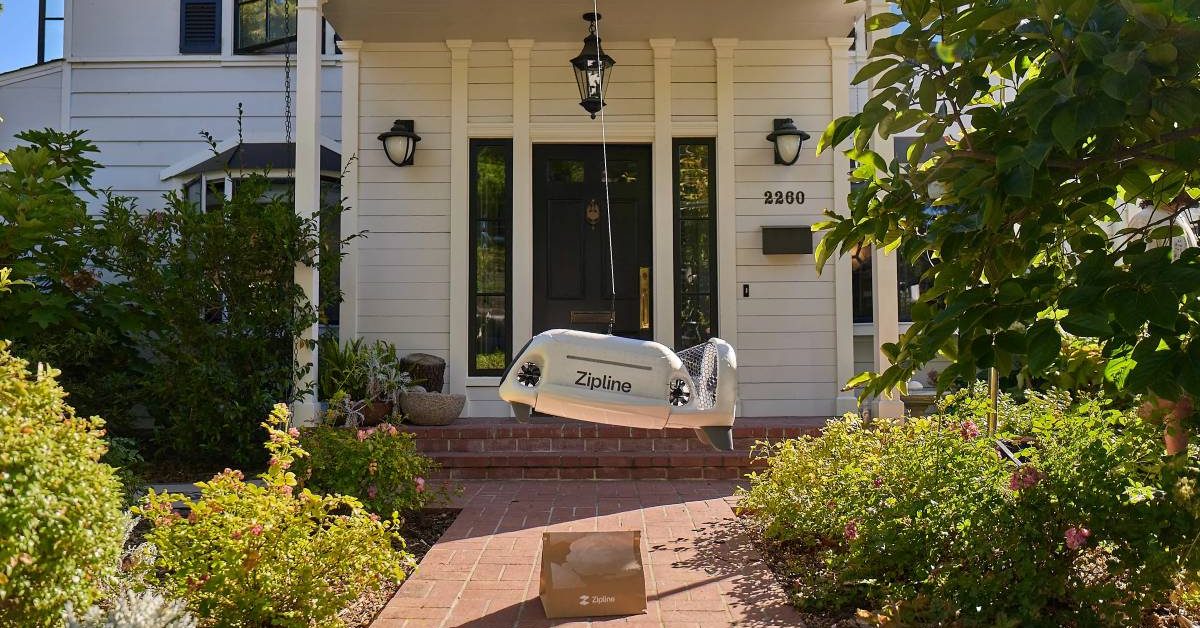
Zipline designs, manufactures, and operates long-range autonomous delivery drones and the logistics platform that flies them with no human pilot. Its original fixed-wing Platform 1 pioneered on-demand autonomous medical drone delivery in Rwanda in 2016; its newer Platform 2 adds a quiet, precision-hover droid that lowers packages directly to doorsteps for last-mile consumer delivery. Founded in 2014 by Keller Rinaudo Cliffton, Keenan Wyrobek, Ryan Oksenhorn, and Will Hetzler, Zipline flies autonomous routes across the US, Rwanda, Ghana, Japan, Nigeria, Cote d'Ivoire, and Kenya. By January 2026 its fleet had completed more than 2 million commercial deliveries and over 120 million autonomous miles, with customers including Walmart, Chipotle, Sweetgreen, and government health ministries. In January 2026 it raised over $600M at a $7.6B valuation led by Valor Equity Partners, bringing total capital raised above $1.5B.
Zipline has logged more autonomous commercial flight hours than any other operator, making it the reference point for the unit economics and regulatory precedent of pilotless logistics.
flyzipline.com ↗·Drones & UAS Autonomy· United States·private