70 relevant articles · classified by Haiku 4.5 · ingested daily
An international consortium establishes a consensus framework with standardized definitions for vocal biomarker research to accelerate voice-based disease diagnostics.

Photoreceptors use PIKfyve-regulated lysosomal waste recycling to preserve vision.

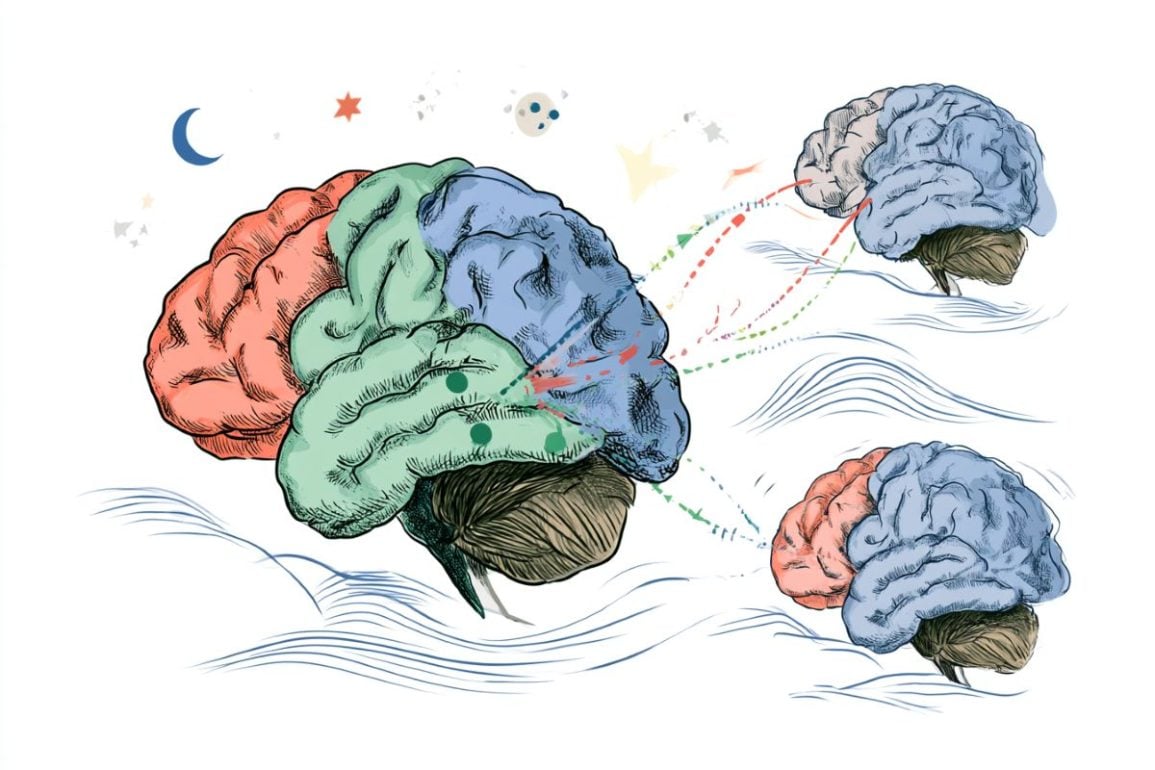
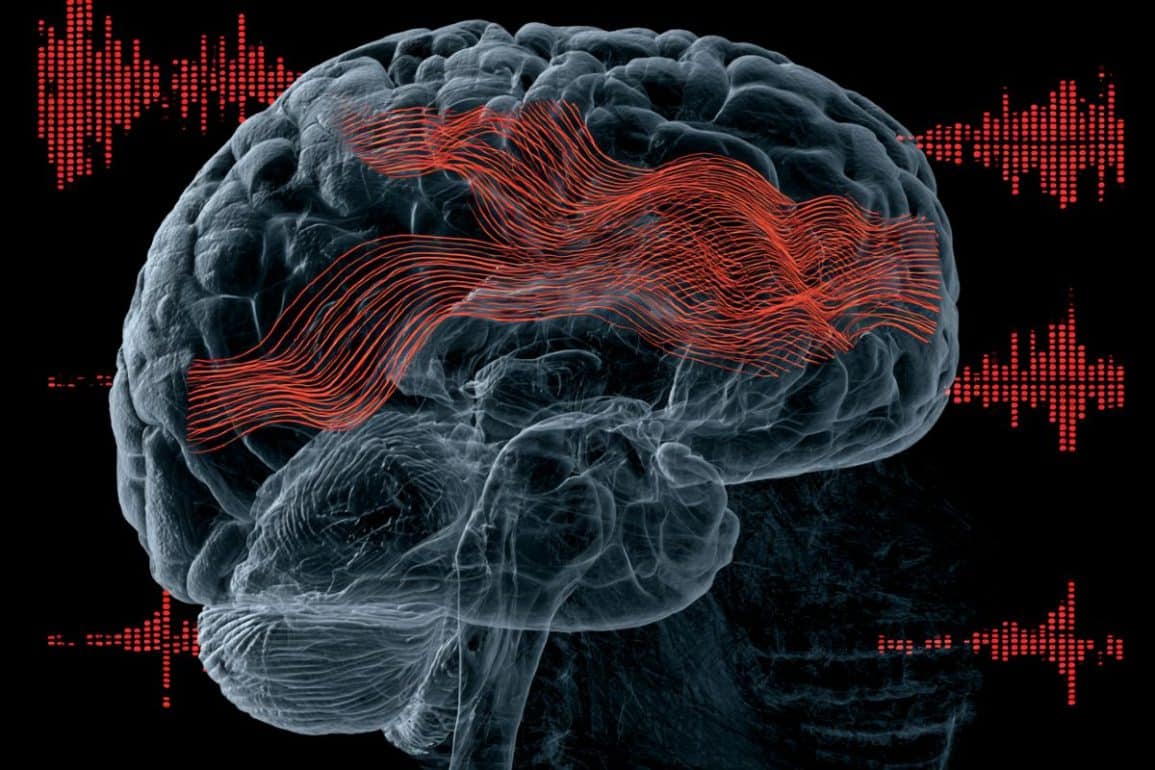
A study identifies a 3-region neural circuit—orbitofrontal cortex, thalamus, hippocampus—required for memory consolidation during sleep, and finds epileptic spikes disrupt it.

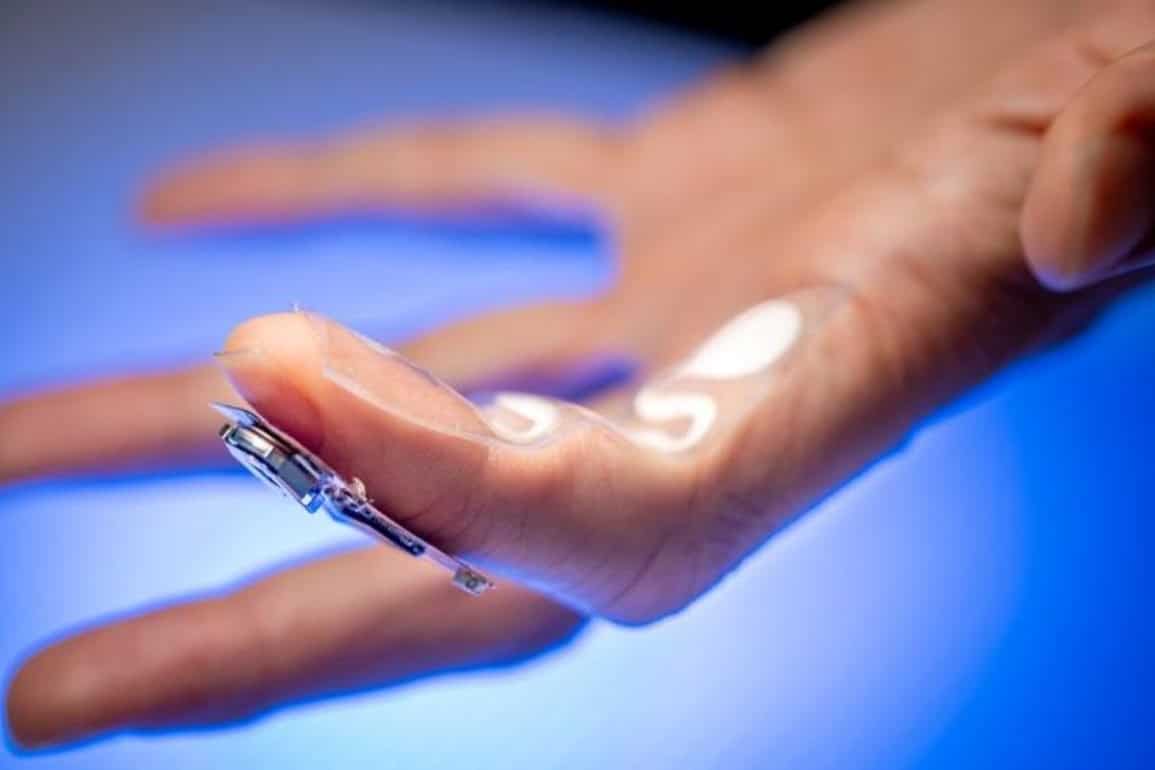
A battery-free sweat patch enables continuous levodopa monitoring for Parkinson's patients.

Spatial memory is strengthened when the vagus nerve relays gut nutrient signals to the hippocampus, boosting acetylcholine release.
Study shows eye state reverses the connection between alpha brain waves and mind wandering.

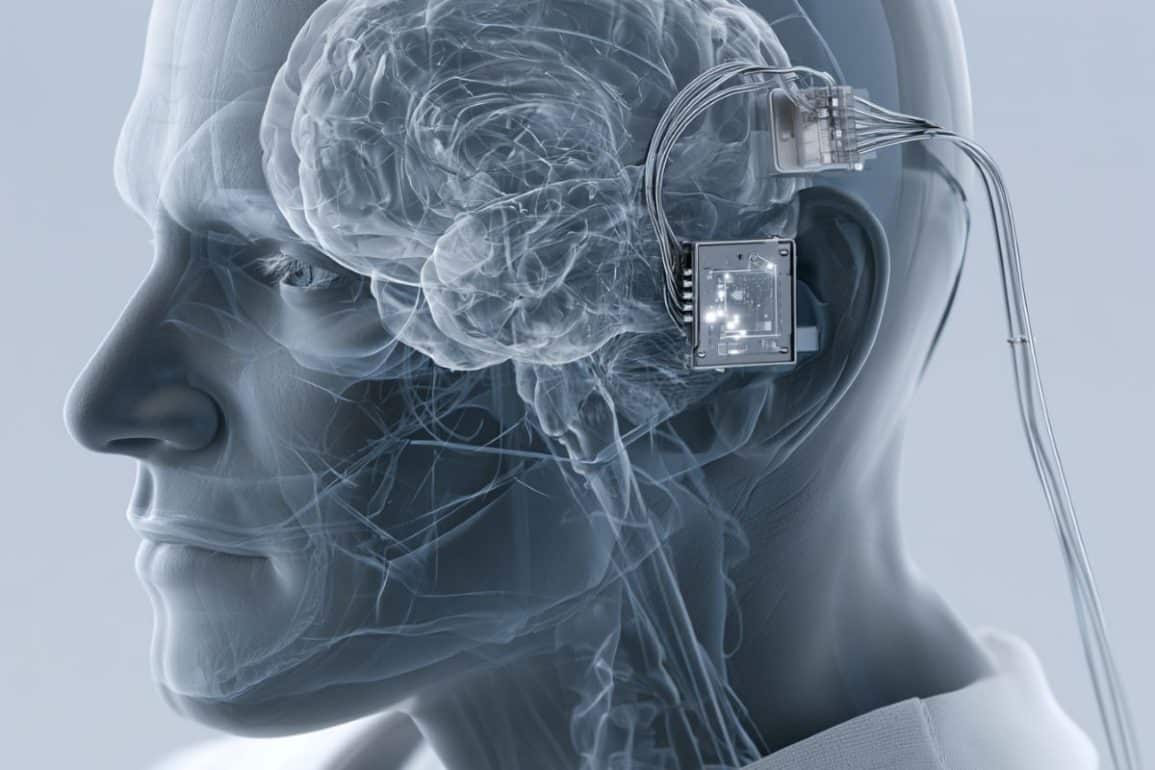
Brain implant restores movement and touch in a paralysed man.

A study finds detailed personalized feedback from humanoid robots causes cognitive overload in humans after errors, slowing immediate recovery but improving long-term performance.

FlatMux two-photon voltage imaging platform records neural firing from ~200 neurons at 2,000 frames per second.

Georgia Tech and SNU researchers design a wearable near-infrared patch to monitor glymphatic system activity during sleep.

Adaptive light-sheet microscope enables real-time 3D imaging of seizure propagation in zebrafish brains.

Study using predictive age difference finds Alzheimer's and mild cognitive impairment show the highest rates of accelerated brain aging.

A study finds reduced brain network flexibility in individuals with psychiatric conditions.

UC Irvine researchers develop an injectable power outlet for bioelectronic implants using a conductive polymer-coated sponge.

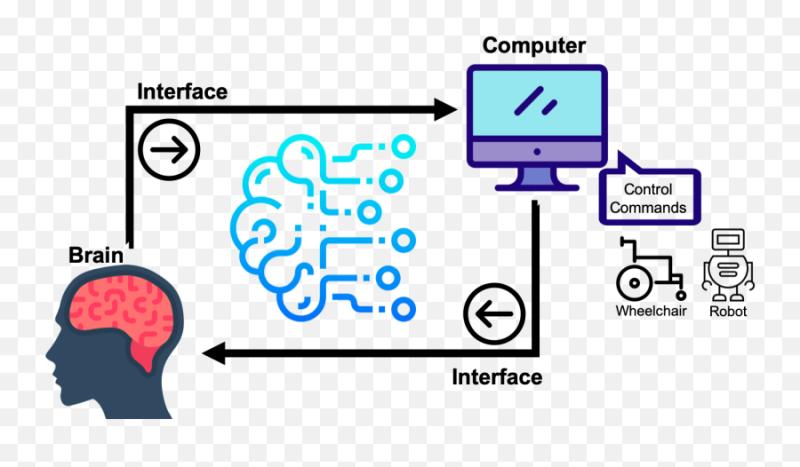
Closed-loop BCIs are evolving from motor decoding to treating psychiatric conditions by tracking multi-region brain networks.

Study reveals how sparse neural connections balance local autonomy and inter-regional synchronization in the brain's internal clock.

A motor-free soft exoskeleton using dielectric elastomer artificial muscles reduces walking energy by nearly a sixth, per a study in Science Advances.

Adaptyx Biosciences reports first continuous measurement of free cortisol from human skin using a wearable aptamer-based patch, presented at ADA annual meeting.

BCI neurofeedback that amplifies the Error Positivity brainwave signature accelerates perceptual learning in a new study.

AI-driven brain-computer interface enables an ALS patient to communicate 2.7 million words over two years with vocal intonation and singing.

Aperiodic neural noise on high-density EEGs correlates with communication challenges in autistic youth.

A new framework unifies reinforcement-driven human neuroplasticity with gradient-based decoder optimization for BCI systems.

A study across 43 mouse cortical regions finds most neurons are multi-purpose generalists, not specialists.

South Korean researchers develop Generative SNUPI, an AI model that designs DNA origami nanostructures, published in Nature Communications.

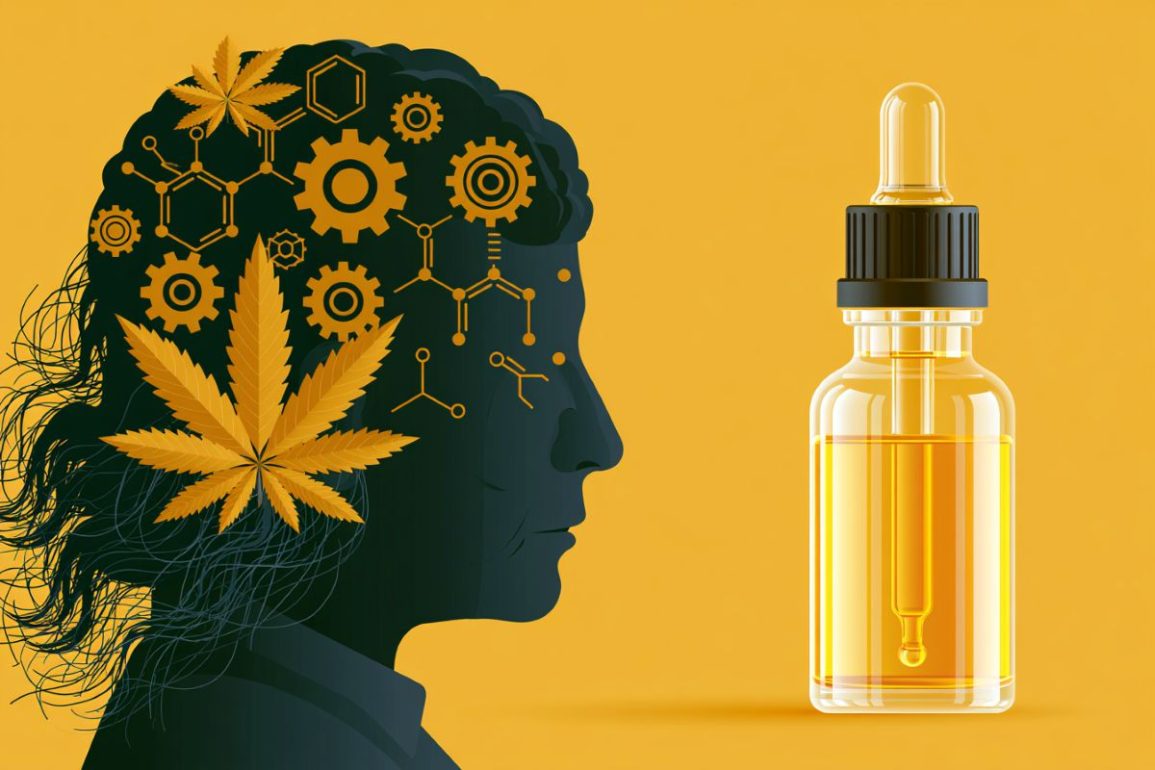
A study finds a purified THC/CBD oil formulation rapidly reduces agitation in late-stage dementia patients. Researchers report a significant effect in end-of-life care.

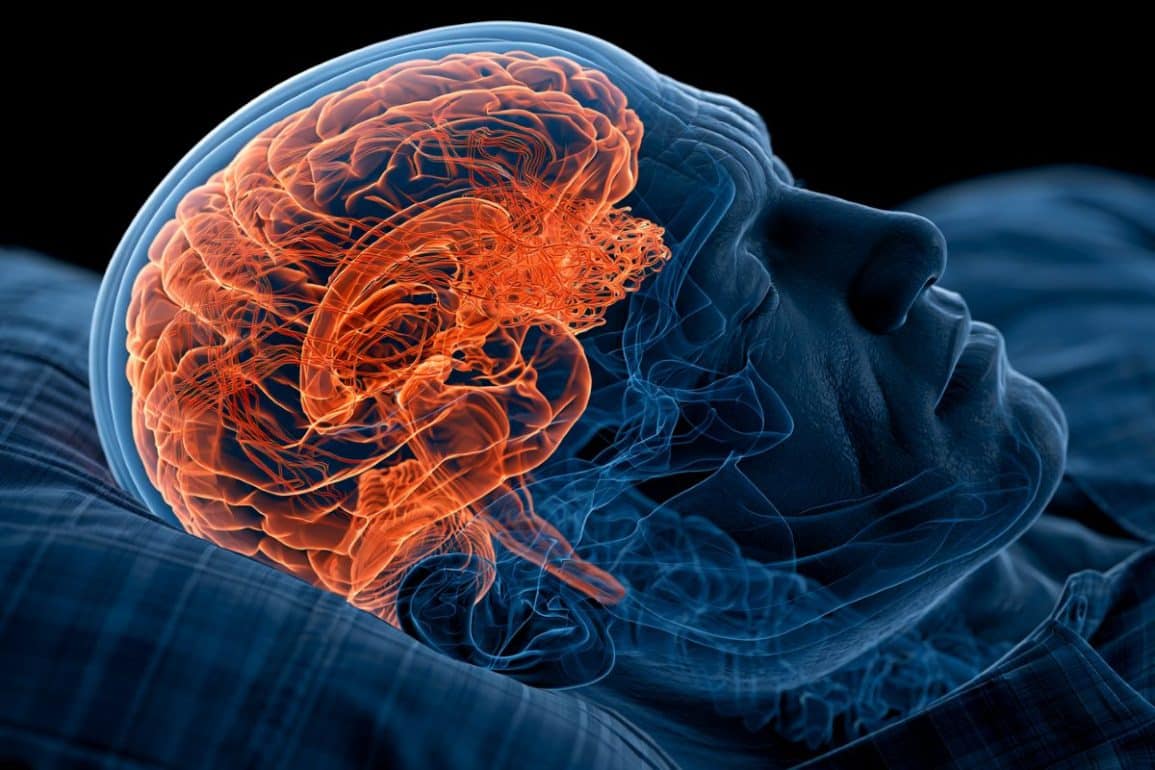
A study shows poor sleep disrupts brain network connectivity in distinct patterns across different age groups.

Study finds autistic teens' brains don't increase response to unfamiliar voices during development.

Researchers release three open-source AI tools to improve Alzheimer's clinical trial success rates.

Market report projects the US BCI market will reach $9.78B.
A Chinese BCI competitor to Neuralink aims to scale neural interface technology for mass-market adoption.

BrainCo pitches non-invasive wearable brain tech as an alternative to Neuralink's surgical implant approach.

A cerebellum-inspired memtransistor made from molybdenum disulfide is demonstrated for AI hardware.

EEG-fMRI study demonstrates the human connectome coordinates multiple asynchronous parallel processing streams.

Eye-tracking combined with LLMs confirms human gaze patterns act as a stable biometric identifier.

AstraZeneca and Ionis' RNA therapy eplontersen fails a Phase 3 trial in transthyretin amyloidosis cardiomyopathy.

UCSF Neuroscape and Samsung launch TAH-DA, a 1,000-subject remote longitudinal study using consumer wearables to map brain aging.

Astrocyte subtype shifts are identified as primary drivers of depression, anxiety, and bipolar disorder in a new study.

Non-surgical implantable BCI performance catches up to surgical approaches, reshaping the risk-benefit tradeoff for the field.

A new laser-induced graphene sensor detects dopamine levels in human tears, offering a low-cost diagnostic tool.

AI framework reveals previously invisible gray matter lesions in MS using legacy MRI scans.

Researchers isolate four core brain-circuit hubs for OCD via causal network mapping, enabling precision rTMS targeting.

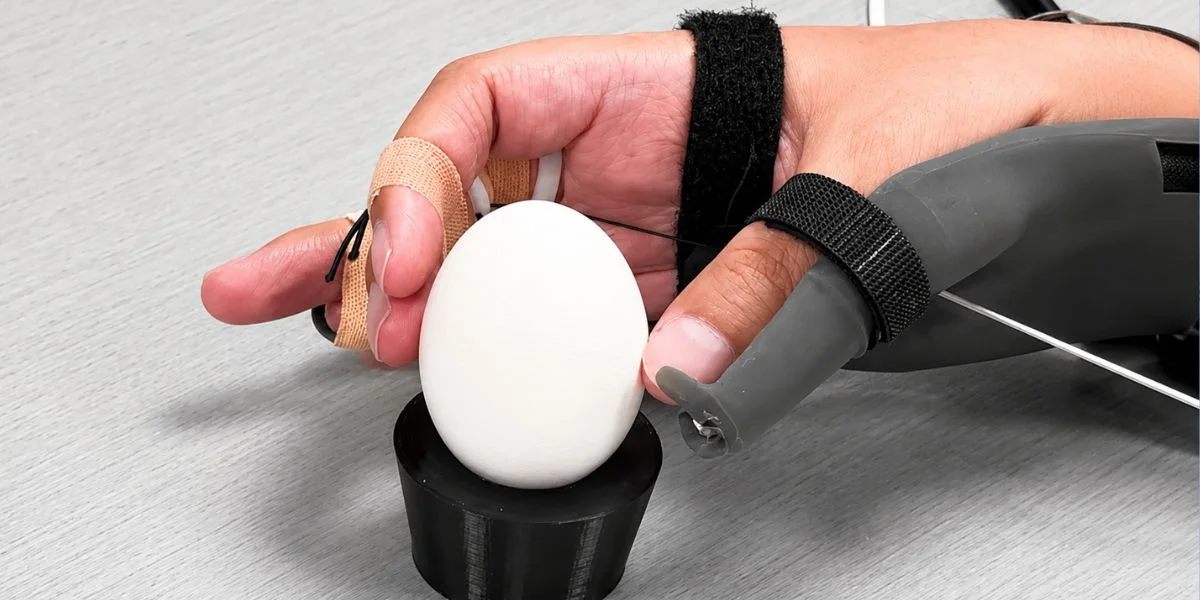
ALS patient regains grasp and feeds themselves with a fork for the first time in four years using a soft pneumatic exoskeleton glove guided by decoded forearm EMG signals.

fMRI brain connectivity and cognitive testing data used to guide antidepressant choice improved patient response rates by 67%.

AI-driven study identifies small-molecule targeting of cPLA2 enzyme as a potential pathway to reduce neuroinflammation in APOE4 carriers.

FDA clears UpDoc's LLM-based diabetes management app, the first medical software clearance for patient-facing large language models.

Optogenetic stimulation of VIP neurons restores motor learning in Huntington's disease models with persistent benefits.

Anthropic launches Claude Science, an AI product for autonomous scientific research in computational biology and drug development.

Anthropic launches Claude Science, a new product for autonomous scientific research in computational biology and drug development.

Researchers establish a unified BCI framework showing sight and touch restoration technologies share functional architecture, accelerating neuroprosthetic development.

A wearable EEG-based BCI with real-time auditory feedback improved detection of covert consciousness in brain-injured patients from 39% to 69%.

Study of dual brain-machine interfaces shows the brain processes artificial movement sensation as coordinated hand synergies, advancing bidirectional prosthetic control.

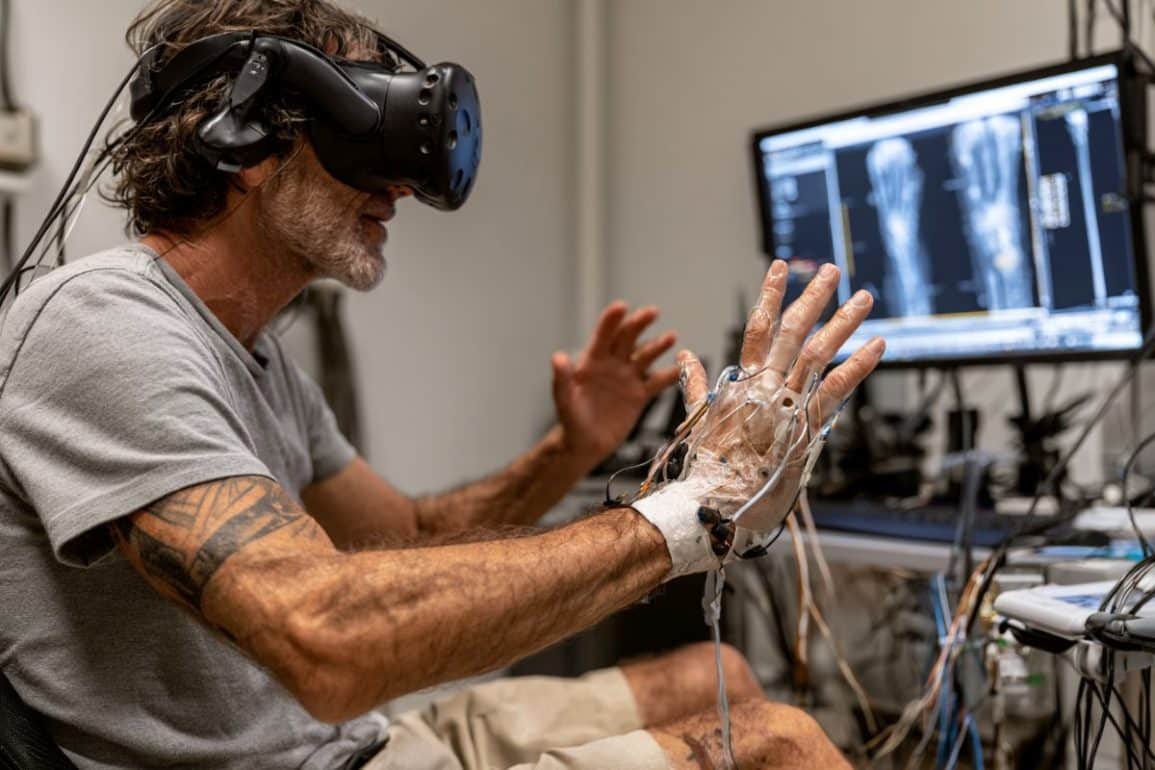
MultiSensy platform combining VR and transcutaneous nerve stimulation achieved 2× upper limb motor recovery vs. conventional therapy in chronic stroke patients.

FDA grants breakthrough designations to Cognita and Aidoc for generative AI tools that draft radiology reports from chest X-rays.

AI model identifies cardiac fibrosis as a common risk factor in sudden cardiac death, potentially improving preventive defibrillator deployment.

LivaNova abandons VITARIA vagus nerve stimulator trial for heart failure after failing to meet efficacy endpoints, raising questions about FDA breakthrough device oversight.

Intracranial recordings reveal the frontal cortex segregates and dynamically reweights audiovisual attention based on language context.

U.S. government places export controls on Anthropic's Fable AI model over national security concerns, citing coding capabilities as a cybersecurity threat.

MIT Technology Review surveys LLM inference bottlenecks and notes BCI trials expanding, with Casey Harrell profiled as an ALS patient using a brain implant to work and reconnect with family.

Casey Harrell, paralyzed by ALS, has used a UC Davis brain-computer interface for nearly three years to regain speech, web access, and employment as a climate activist.

Paradromics completes first-in-human implant of its Connexus wireless BCI in an ALS patient clinical trial.
Casey Harrell, an ALS patient with a brain implant, becomes the first power user of a speech BCI after three years of independent operation, regaining communication and job capability.

Closed-loop adaptive deep brain stimulation improves gait symmetry and reduces falls in Parkinson's patients.

State corporate practice of medicine laws create operational constraints for telehealth platforms, forcing companies to work through physician-owned practices as intermediaries.

Study demonstrates deep brain stimulation remodels white matter pathways and alters neural network communication in depression treatment.

Research demonstrates an AI framework that classifies pain intensity from EEG signals objectively.

Auditory attention decoding from brain signals enables real-time hearing aid volume control, improving speech comprehension in noisy settings.