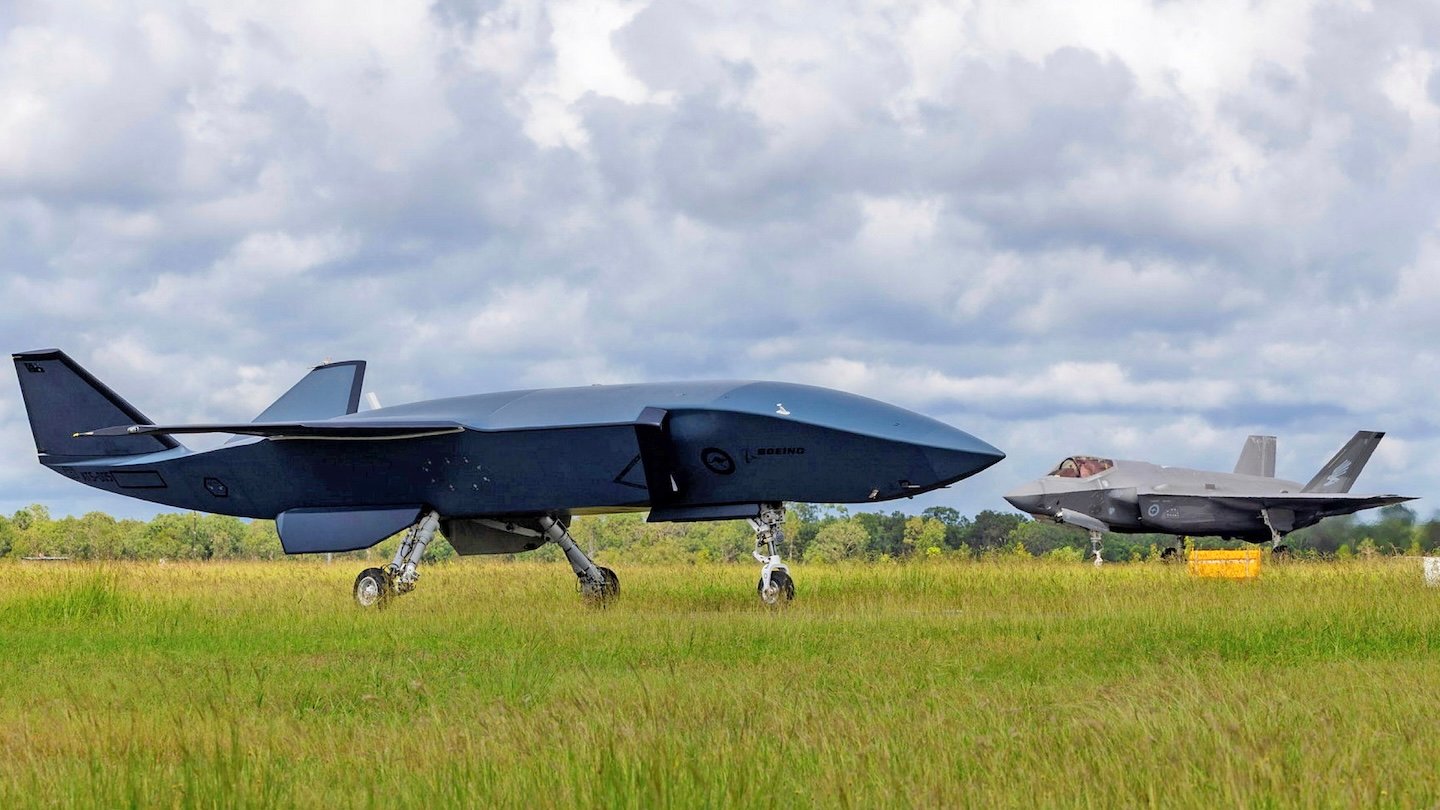
Boeing
Boeing (BA) is a publicly traded Established Primes company founded in 1916 and based in Arlington, United States.
Founded in 1916 by William E. Boeing and headquartered in Arlington, United States, Boeing is an established aerospace and defense prime with more than 10,000 employees. Its commercial portfolio includes the 737 MAX single-aisle jet, which airlines use on short- and medium-haul routes, and the 787 Dreamliner, a composite widebody twinjet used for long-haul and point-to-point service. On the defense side, Boeing builds the F-15EX Eagle II multirole fighter for the U.S. Air Force and international customers, and the AH-64E Apache attack helicopter used by the U.S. Army and foreign militaries. Revenue comes from aircraft and defense system sales to airlines, governments, and military customers. The company trades on the New York Stock Exchange under the ticker BA, and its funding is reflected in public market capitalization rather than private rounds.
Boeing supplies widely deployed commercial jets, including the 737 MAX and 787 Dreamliner, to airlines on short-haul, medium-haul, and long-haul routes. Its defense lineup includes the F-15EX Eagle II for the U.S. Air Force and international customers, and the AH-64E Apache used by the U.S. Army and a growing set of foreign militaries. The company's scale, with more than 10,000 employees, and its status as a publicly traded prime give it a central role in both commercial aviation and military aircraft supply.
At a glance
Total raised
Undisclosed
Headcount
10k+
Headquarters
Arlington
 United States
Founded
1916
Status
Public
Subsector
Funding history
Total raised
—
Rounds tracked
0
No dated funding rounds on file. This company is privately held and may be raising or operating on undisclosed capital.