
Dynamic Allocation Of Partitions In A Distributed Data Processing System
Abstract
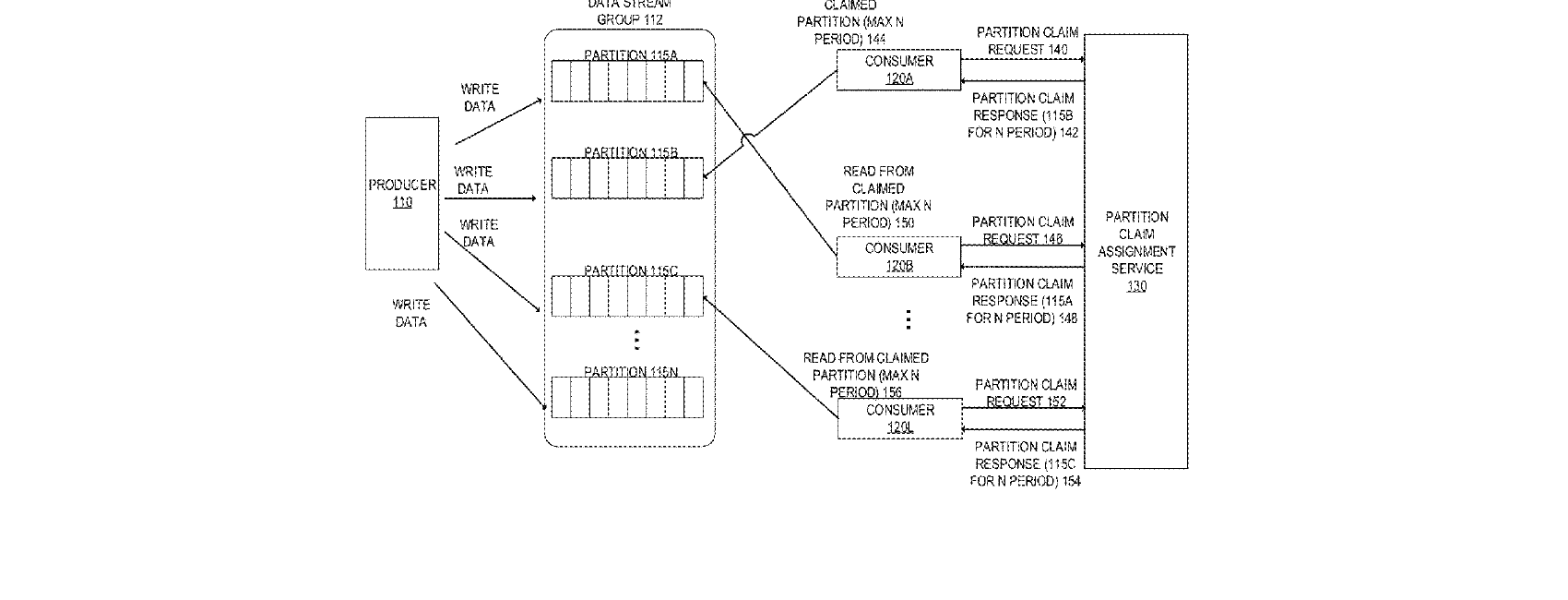
Dynamic Allocation Of Partitions In A Distributed Data Processing System
US12524442

Cloudflare (NET) is a publicly traded Build and Deploy company founded in 2009 and based in San Francisco, United States.
 United States
| Date | Stage | Amount | Valuation | Lead investors |
|---|---|---|---|---|
| Aug 13, 2021 | Post-IPO | $1.1B | — | — |
| May 1, 2020 | Post-IPO | $575M | — | — |
| Sep 13, 2019 |
| IPO |
| $525M |
| $4.4B |
| — |
| Mar 12, 2019 | Series E | $150M | $3.5B | Franklin Templeton |
| Sep 22, 2015 | Series D | $110M | $1.8B | Fidelity Management and Research Company |
| Dec 1, 2012 | Series C | $50M | $1B | Union Square Ventures, Greenspring Associates |
| Jul 12, 2011 | Series B | $20M | — | New Enterprise Associates |
| Nov 1, 2009 | Series A | $2.1M | — | Pelion Venture Partners, Venrock |
Cloudflare delivered Q2 2026 revenue of $696.1 million, up 36% year-over-year. GAAP gross margin contracted to 71.8% from 74.9% year-ago, reflecting cost-of-revenue growth outpacing revenue expansion. The company posted a GAAP operating loss of $205.7 million (29.6% of revenue), significantly worse than the prior-year loss of $67.3 million (13.1%), driven by restructuring charges of $150.7 million announced this quarter. On an adjusted basis, non-GAAP operating income totaled $96.1 million (13.8% margin), down slightly from $72.3 million (14.1%) last year. GAAP net loss widened to $170.0 million (EPS: –$0.48) versus –$50.4 million (–$0.15) prior year. Management highlighted record growth in paying customers, large customers, and developer engagement. For Q3 2026, the company guides revenue of $736–737 million and adjusted operating income of $129–130 million. Full-year 2026 guidance calls for $2,864–2,870 million in revenue and adjusted EPS of $1.25–1.26.
Q3 2026 revenue $736–737M, adjusted operating income $129–130M, adjusted EPS $0.34; FY2026 revenue $2,864–2,870M, adjusted EPS $1.25–1.26

Cloudflare launches Bot Preference Sync, letting customers set a unified policy for search, agent, and training crawler access.

An analysis piece argues that hyperscaler AI capex is justified by accelerating cloud revenue growth, pushing back against bubble fears.
A new Siliwood programming language running on Cloudflare Workers with E2B sandboxes improves code quality 65% in an Anysphere trial.
Cloudflare Workers is a serverless compute platform that runs code at the edge across Cloudflare's global network spanning 330+ cities. Developers can deploy JavaScript, WASM, or Python functions that execute in milliseconds near end users, eliminating cold starts common in centralized serverless platforms. Workers AI extends this with GPU-accelerated inference for running AI models like LLMs and image generation directly on the edge, enabling AI-powered applications with minimal latency and no infrastructure management.
Cloudflare AI Gateway is a unified control plane for monitoring, managing, and optimizing API calls to large language models (LLMs). It provides features like caching responses to reduce costs, rate limiting to control usage, request logging for observability, and fallback routing across multiple AI providers. Teams use it to gain visibility into their AI spend, enforce governance policies, and improve application reliability when using APIs from providers such as OpenAI, Anthropic, and Google.
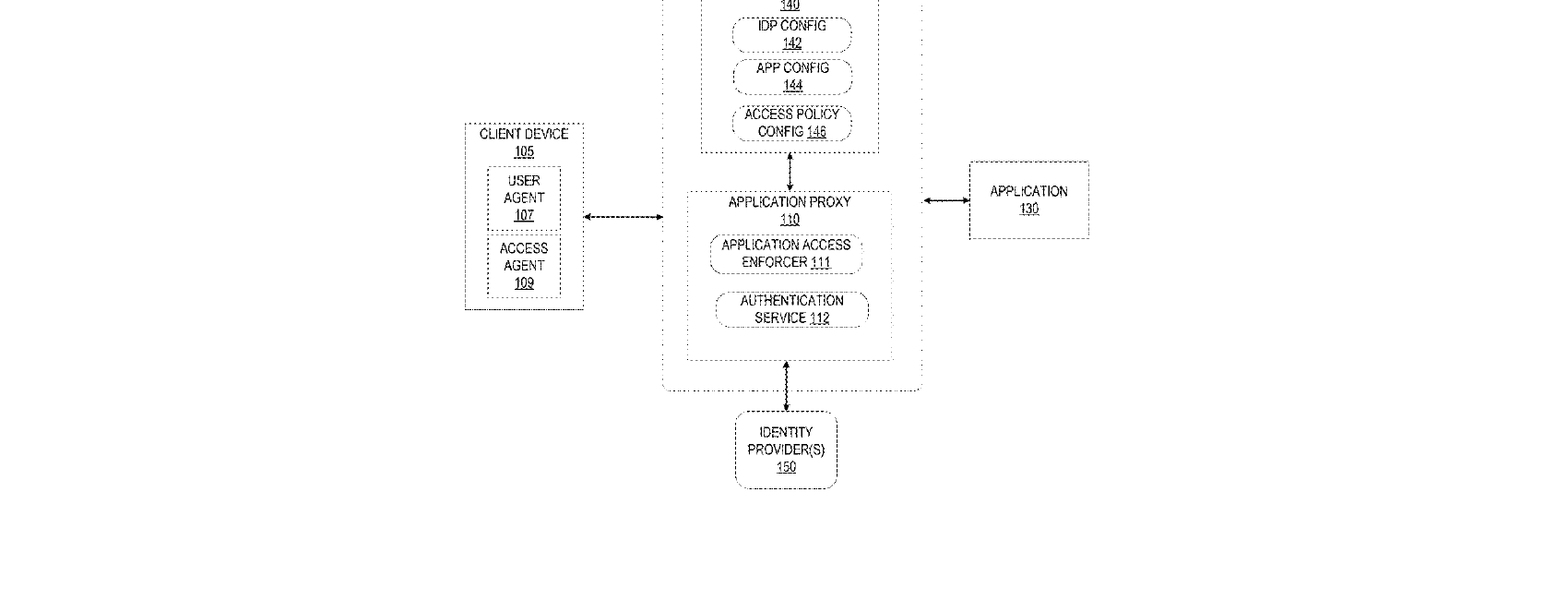
Cloudflare Zero Trust is a comprehensive security platform that replaces traditional VPNs with a Zero Trust Network Access (ZTNA) solution. It enforces identity-based access policies for applications, enables secure web browsing through Secure Web Gateway, and protects data with Cloudflare One for Data Protection. Organizations use it to connect remote users to corporate resources from any device without exposing internal networks, reducing attack surfaces while eliminating the complexity of legacy hardware appliances.
Cloudflare's Application Services portfolio provides a content delivery network (CDN), DDoS mitigation, Web Application Firewall (WAF), bot management, load balancing, and DNS management — all delivered from a single unified platform. It protects and accelerates any internet application without requiring hardware or code changes. Trusted by millions of organizations from individual bloggers to Fortune 500 enterprises, it blocks billions of threats daily while improving page load times through global edge caching and smart routing.