

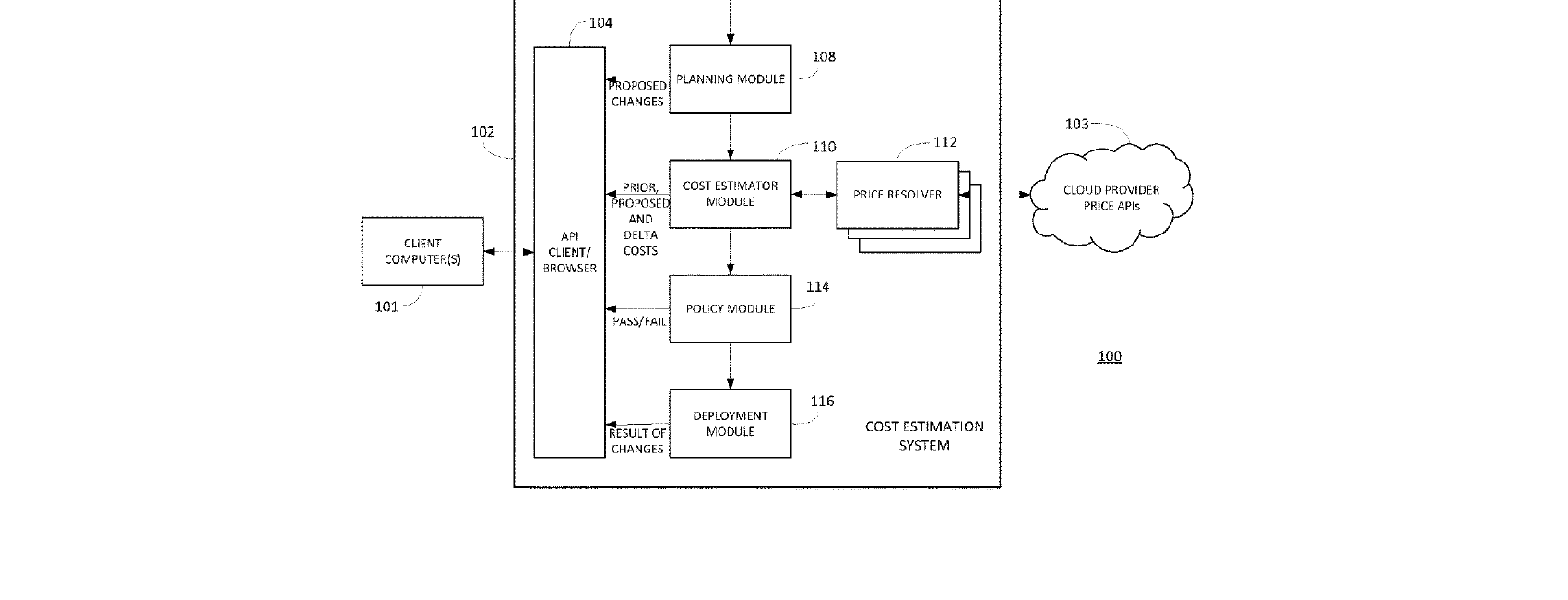
Cost Estimation For A Cloud-Based Infrastructure Provisioning System
Abstract
Cost Estimation For A Cloud-Based Infrastructure Provisioning System
US12554552
HashiCorp was acquired by IBM — this page is preserved as an archive. Visit fobi.com for current frontier-tech coverage.
HashiCorp was an Infrastructure as Code company founded in 2012 and based in San Francisco, United States. It was acquired by IBM in 2025 for $6.4B.
 United States
| Date | Stage | Amount | Valuation | Lead investors |
|---|---|---|---|---|
| Apr 24, 2024 | Acquired | $6.4B | — | IBM |
| Dec 8, 2021 | IPO | $1.2B | $14B | — |
| Mar 16, 2020 |
| Series E |
| $175M |
| $5.1B |
| Franklin Templeton Investments |
| Nov 1, 2018 | Series D | $100M | $1.9B | IVP |
| Oct 24, 2017 | Series C | $40M | — | GGV Capital, Redpoint |
| Sep 7, 2016 | Series B | $24M | $88M | GGV Capital |
| Dec 10, 2014 | Series A | $10M | — | Mayfield Fund |
No articles ingested yet for HashiCorp. Once the hourly news pipeline is live, every article the classifier tags as mentioning this company appears here with its one-line AI summary and sentiment.
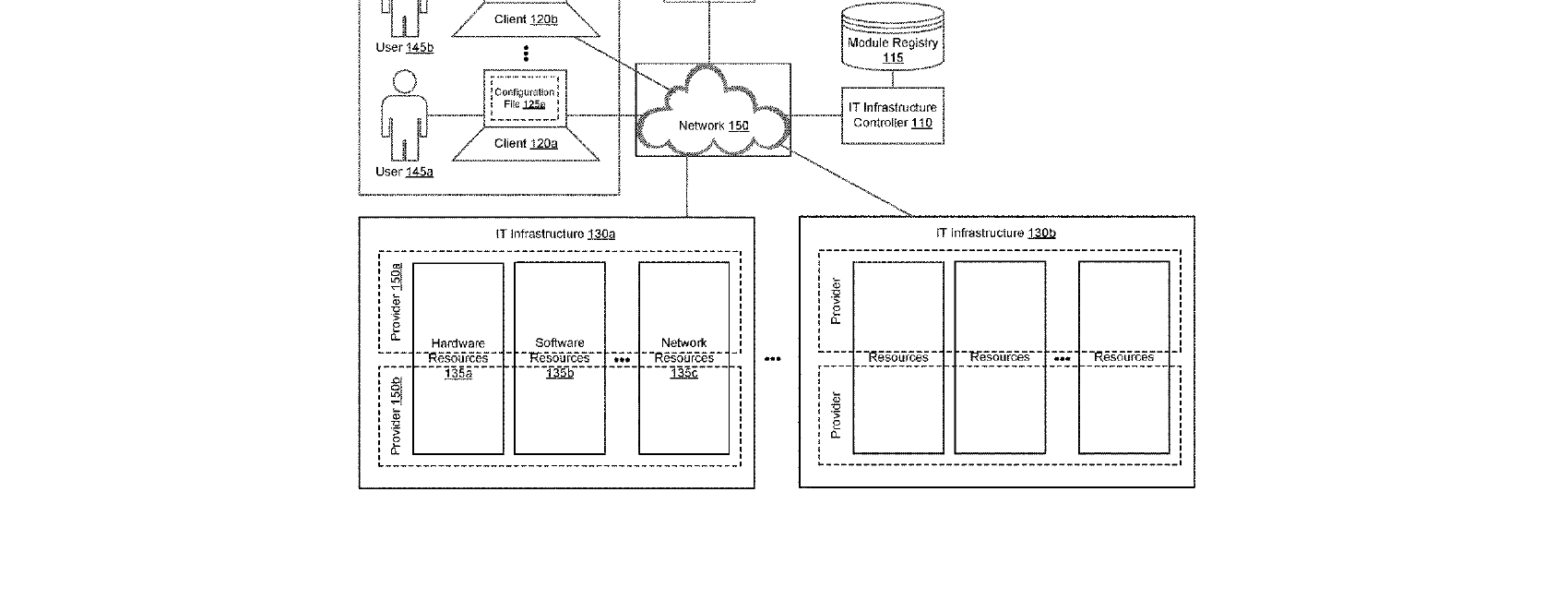
Terraform is HashiCorp's infrastructure-as-code tool that lets users define and provision cloud resources across hundreds of providers (AWS, Azure, GCP, etc.) using a declarative configuration language. It enables DevOps teams to manage the entire lifecycle of infrastructure — from compute and networking to storage and databases — through codified, repeatable workflows. Terraform's plan-and-apply model provides safe, predictable changes, and its module registry allows teams to share and reuse infrastructure configurations. HCP Terraform adds collaborative workspaces, policy enforcement with Sentinel, and remote state management for enterprise teams.
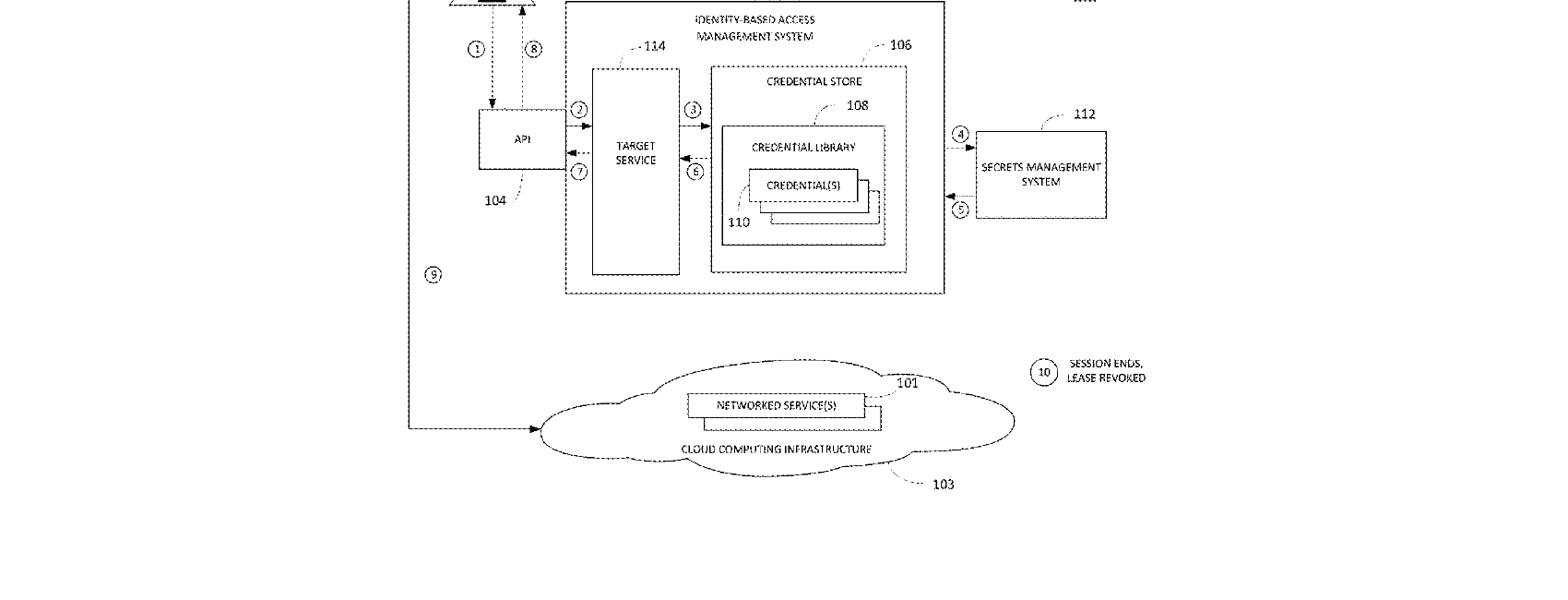
Vault is HashiCorp's secrets management and data protection platform that secures sensitive credentials, API keys, database passwords, and encryption keys across dynamic cloud environments. It provides centralized lease-based access control, automatic secret rotation, and audit logging for compliance. Vault supports multiple authentication methods, dynamic secrets that expire after use, and encryption-as-a-service for application data. Organizations use Vault to eliminate hard-coded credentials, enforce least-privilege access, and maintain a tamper-proof audit trail across multi-cloud and hybrid infrastructure.
Consul is HashiCorp's service networking solution that provides service discovery, health checking, and secure service-to-service communication across multi-cloud and on-premises environments. It maintains a real-time service registry that enables applications to find and connect to dependencies dynamically, while its built-in mesh automates mTLS encryption and traffic management without application code changes. Consul integrates with Kubernetes and Nomad to provide a consistent networking layer, and its service segmentation capabilities let teams enforce zero-trust network policies across distributed architectures.
Nomad is HashiCorp's cluster orchestrator that schedules and runs containerized, legacy, and batch applications across on-premises and cloud infrastructure. Unlike heavier orchestration platforms, Nomad is designed to be simple, with a single binary and a declarative job specification that works across Docker, Podman, QEMU, Java, and raw executables. Its multi-region federation and built-in device plugin support for GPUs and FPGAs make it well-suited for both microservices and compute-intensive workloads. Nomad integrates natively with Consul for service discovery and Vault for secrets, providing a lightweight alternative for teams that want orchestration without complexity.
HCP is HashiCorp's managed cloud service that delivers Terraform, Vault, Consul, and Packer as fully managed offerings, removing the operational burden of self-hosting. It provides a unified control plane for provisioning, securing, and connecting infrastructure across AWS, Azure, and GCP. HCP includes automated upgrades, high-availability replication, and built-in disaster recovery, enabling platform teams to offload lifecycle management while maintaining governance through organization-level policy controls. With HCP, enterprises get the power of HashiCorp's open-source tools backed by SLA guarantees and enterprise-grade support from IBM.
No recently verified openings are available right now. The company's careers page has the latest.
View all careers ↗