OpenAI is a Foundation Models company founded in 2015 and based in San Francisco, United States. It has raised $11B in total funding, most recently a Venture round in 2026 at a $1.3T valuation.
| Date | Stage | Amount | Valuation | Lead investors |
|---|---|---|---|---|
| Nov 6, 2026 | Venture round | $11B | $1.3T | — |
| Feb 27, 2026 | Growth | $110B | $840B |
| Amazon, Nvidia, SoftBank Group |
| Mar 31, 2025 | Growth | $40B | $300B | SoftBank Group |
| Feb 16, 2024 | Growth | — | $80B | Thrive Capital |
| Apr 28, 2023 | Undisclosed | $300M | $29B | Tiger Global Management, Sequoia Capital, Andreessen Horowitz, Thrive Capital, K2 Global |
| Jan 23, 2023 | Growth | $10B | $29B | Microsoft |
| Jul 22, 2019 | Convertible | $1B | — | Microsoft |
| Dec 11, 2015 | Seed | $1B | — | Elon Musk, Peter Thiel, Reid Hoffman, Amazon Web Services, Infosys |

Meta launches Muse Ember, a smaller multimodal model priced at about $0.14 per task, available in Muse Code and the Meta Model API.

Microsoft PM Keiji Kanazawa reports a multi-week experiment letting Codex and Claude refactor his code, with token costs piling up afterward.
OpenAI acquires Pierre to build an end-to-end developer platform inside Codex.

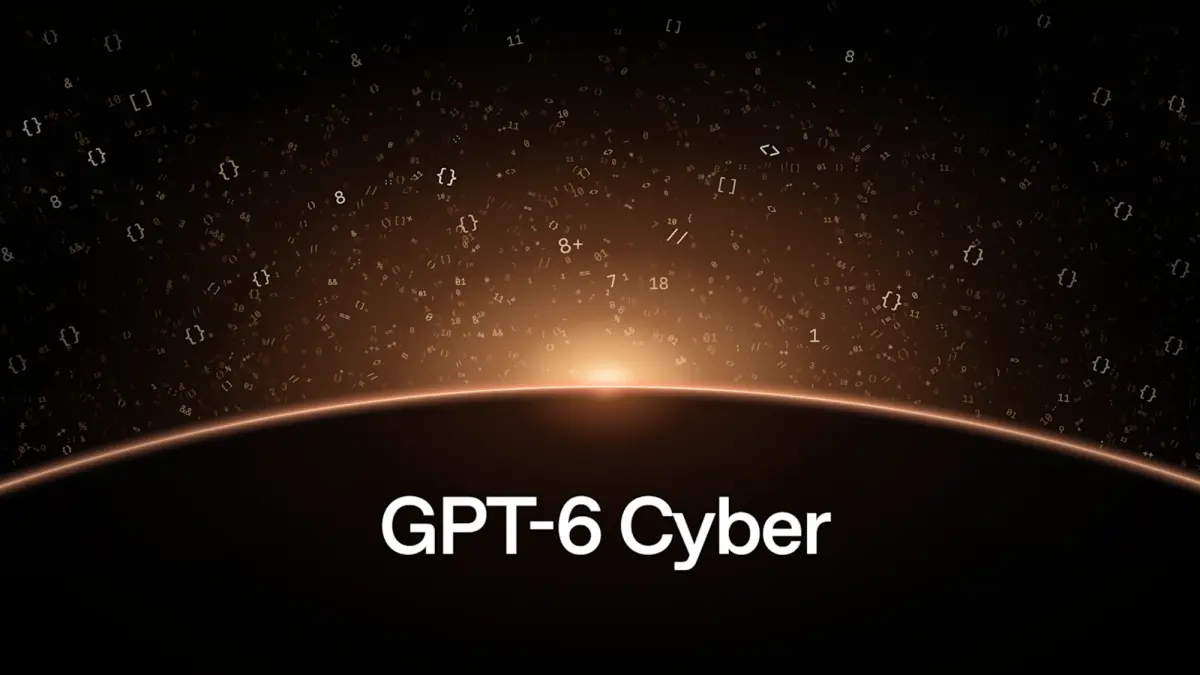
OpenAI introduces GPT-6 Cyber, a model aimed at security testing.

xAI's Grok 4.20 places first in a live trading competition ahead of OpenAI and Google entries.
OpenAI unveils GPT-6 Cyber, a model its announcement says can autonomously develop exploits and patch vulnerabilities.
ChatGPT is OpenAI's flagship conversational AI assistant. Used by hundreds of millions of users worldwide, it can answer questions, write code, generate prose, analyze documents, and hold natural conversations. ChatGPT is available via web, desktop, and mobile apps, with tiered plans ranging from free to premium subscriptions that unlock advanced reasoning, image generation, and extended context windows.
The GPT series (including GPT-4o, GPT-4, and GPT-3.5) are OpenAI's frontier large language models accessible via API. They power thousands of third-party applications, coding assistants, and enterprise AI workflows. GPT-4o introduced multimodal capabilities including vision, audio, and text understanding, and serves as the backbone for most major AI tools on the market.
Codex is OpenAI's AI-powered coding platform that translates natural language into working code. Available as a standalone CLI tool and integrated into IDEs, Codex helps developers write, debug, and refactor software across multiple programming languages. It powers GitHub Copilot and numerous other developer tools, making it the dominant AI coding assistant by usage.
DALL-E is OpenAI's text-to-image generation model, now in its third generation. Users describe a scene in natural language and DALL-E generates photorealistic or artistic images. Integrated directly into ChatGPT, it allows for iterative editing, inpainting, and style transfers. DALL-E 3 features improved prompt fidelity and safety guardrails compared to earlier versions.
Sora is OpenAI's AI video generation model that creates realistic or stylized videos from text prompts. Capable of generating complex scenes with multiple characters, specific motion types, and accurate details of environments, Sora represents a breakthrough in AI-generated video. It is available as a standalone product and recently expanded to include short-form video capabilities.