100 relevant articles · classified by Haiku 4.5 · ingested daily
JetBrains research finds coding benchmarks overstate model gains by measuring narrow tasks, proposes better evaluation methods at ICML workshop.

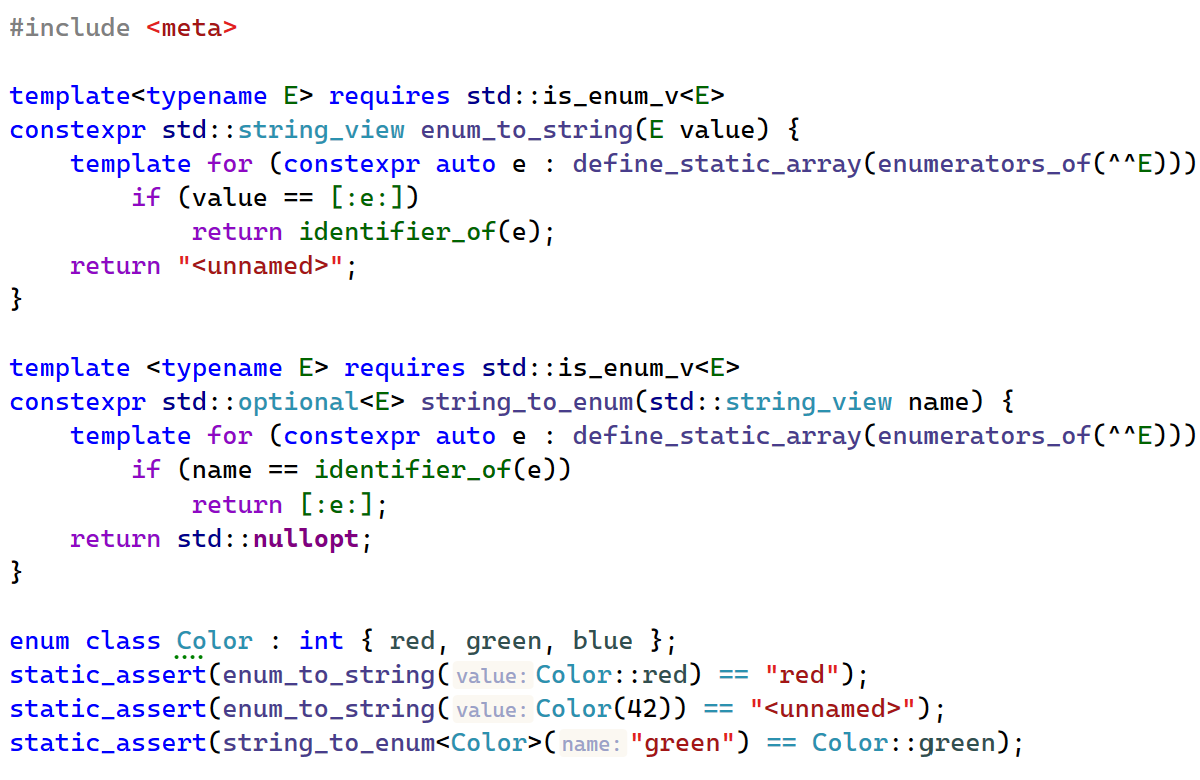
JetBrains brings Natvis to Rider 2026.2 on Linux and macOS for XML-defined C++ type visualization.

Apple WebKit introduces an MCP server for Safari, enabling AI coding agents to interact with web development tooling.

JetBrains releases Toolbox App 3.6 with improved storage cleanup, Windows diagnostics, and removes CodeCanvas.

GitHub releases "Protect Your Project," a guided workflow helping maintainers enable six security settings to reduce vulnerability exposure.

Cloudflare launches Monetization Gateway, enabling usage-based charging for APIs, datasets, and resources via x402 stablecoins.

Cloudflare reports on its "Content Independence Day" initiative one year later, detailing how blocking AI crawlers by default and building a content marketplace has reshaped the Internet's business model.

Cloudflare expands AI traffic control options for website owners, enabling selective crawling policies and compensation models beyond its Block AI Bots feature.

Cloudflare details how AI search engines undermine web-creator revenue by summarizing content without directing traffic to original sources.

JetBrains integrates Parasoft C/C++test static analysis into CLion 2026.1.2, enabling AI-assisted embedded compliance workflows.

Cloudflare launches Attribution Business Insights dashboard to help website owners differentiate between valuable and resource-straining AI crawler traffic.

GitHub launches License Compliance feature to automate open source dependency governance across enterprise and internal projects.

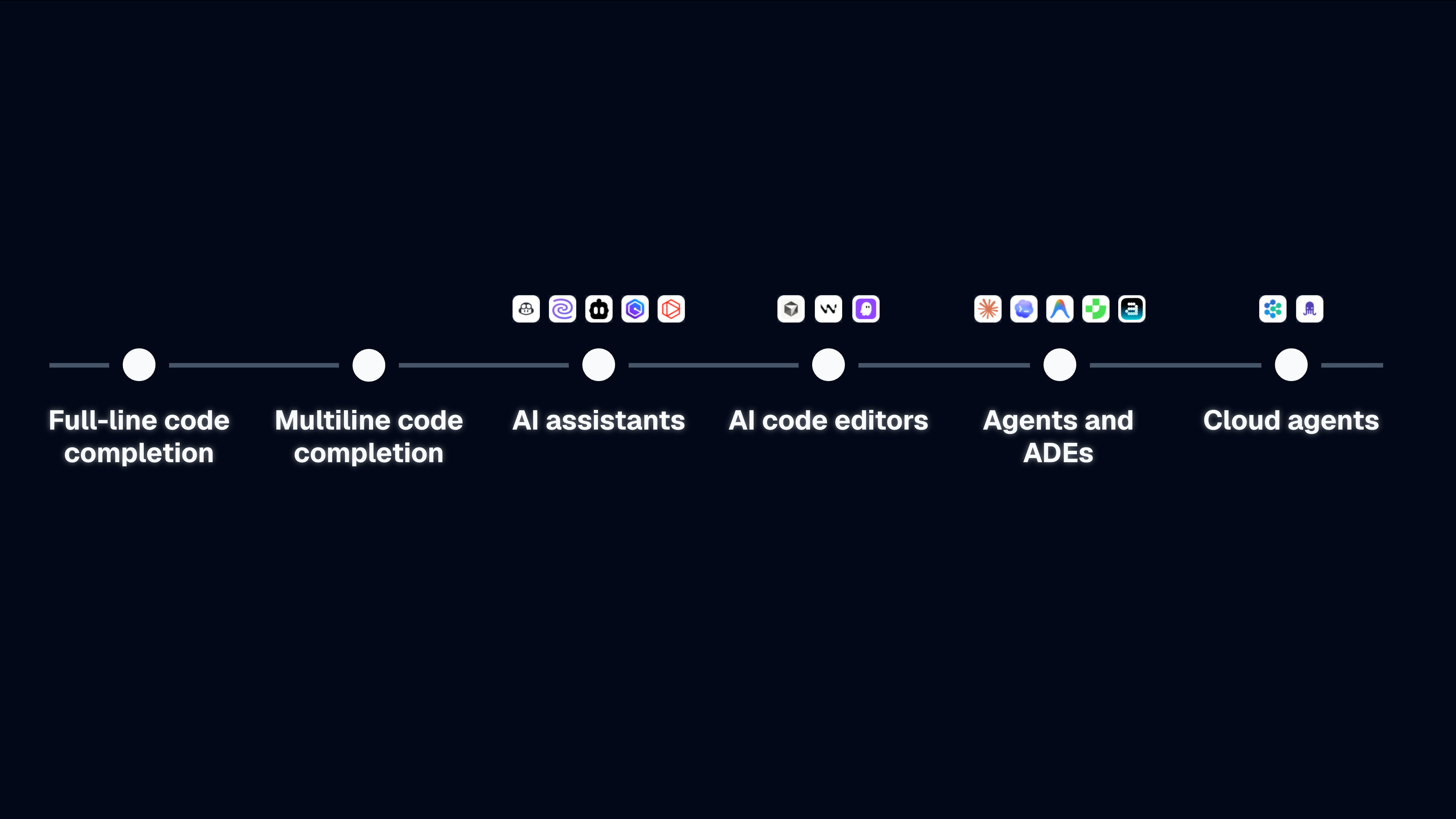
Pragmatic Engineer shares observations from site visits to OpenAI, Anthropic, and Cursor on emerging AI engineering trends including cloud agents and token-cost optimization.

Google DeepMind launches Gemini Omni Flash and Nano Banana 2 Lite models for developers.

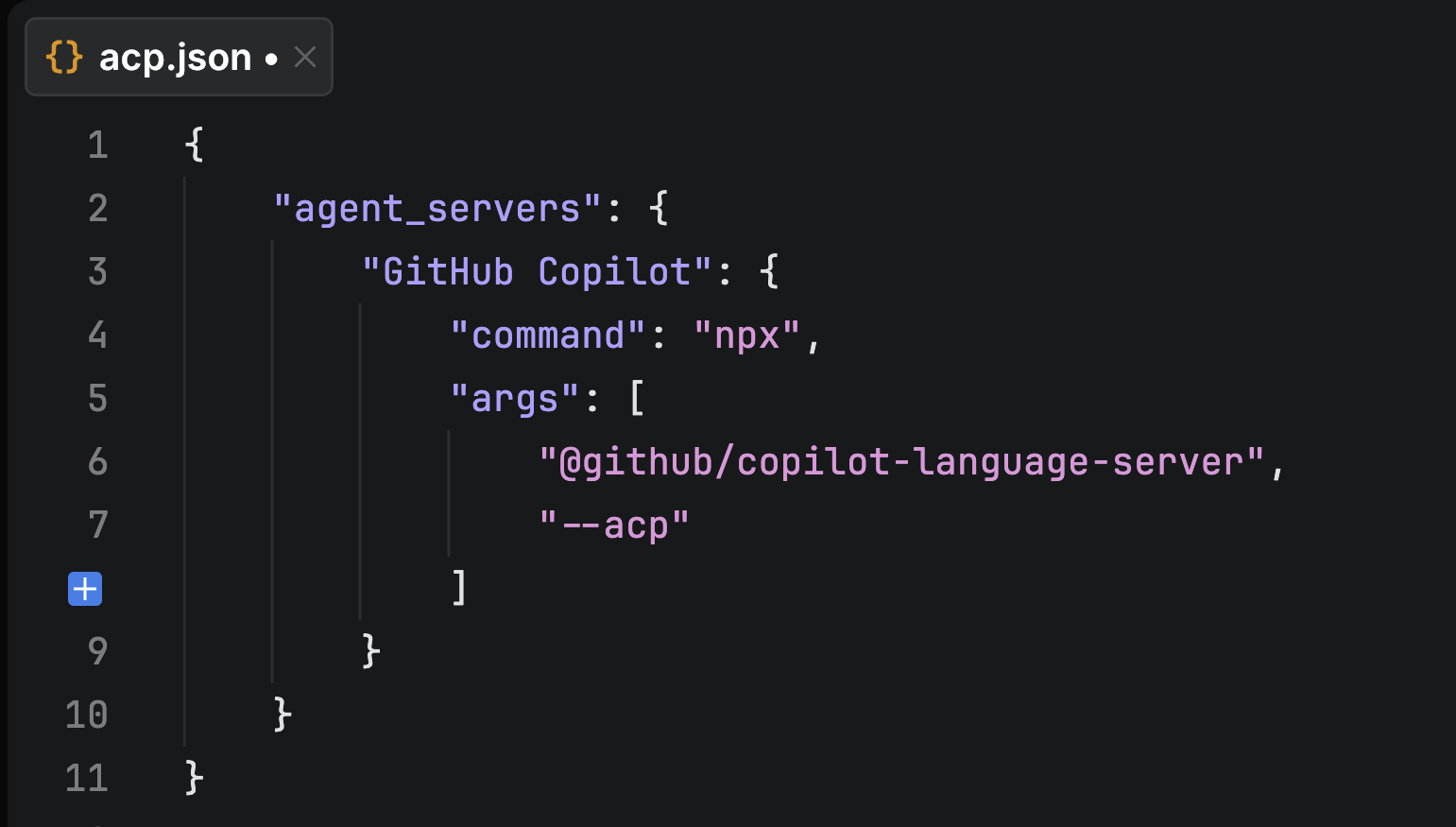
GitHub Copilot becomes a native integrated agent in JetBrains IDEs through a deepened partnership, enabling out-of-the-box use without ACP configuration.

Pulumi demonstrates fully automated AI inference setup across AWS, Azure, and Google Cloud using infrastructure-as-code patterns.

Pulumi releases a pre-built ISO 27001:2022 policy pack for AWS with 238 ready-to-run security policies.
DeepReinforce AI releases Ornith-1.0, an open-source self-improving model for agentic coding tasks.

GitHub's Advisory Database published 1,560 reviewed advisories in May 2026, a record five times monthly volume, as vulnerability reporting surges across the ecosystem.

JetBrains Air, an agent-first IDE, launches on Windows with support for x64 and ARM64 architectures.

JetBrains is sunsetting Kotlin Notebook in IntelliJ IDEA 2026.2, citing low adoption and shifts in how developers use AI tools to explore code.

Snyk releases VulnBench JS 1.0, a benchmark showing LLM security findings vary across repeated scans while catching different vulnerability gaps than SAST tools.

Researchers present techniques for distilling knowledge from proprietary large language models into smaller, deployable models.
Bash4LLM+, a single-file Bash wrapper for LLM APIs, launches on Hacker News with support for Groq and extensible provider scripts.

U.S. government permits Anthropic to release Mythos, a powerful AI model, to selected domestic organizations.

JetBrains open-sources the LSP Client API in IntelliJ IDEA 2026.2, enabling plugin authors to build language integrations without custom implementations.

Pulumi adds secret rotation webhooks to ESC, enabling automated notifications and remediation when credentials rotate.

GitHub publishes benchmark data on the Copilot agentic harness, demonstrating efficiency and performance gains across models and tasks.
Inkeep launches OpenKnowledge, an open-source markdown editor with native integrations for Claude, Codex, and other AI agents.

JetBrains launches EelApi, enabling plugin authors to support dev containers and remote environments in IDEs.

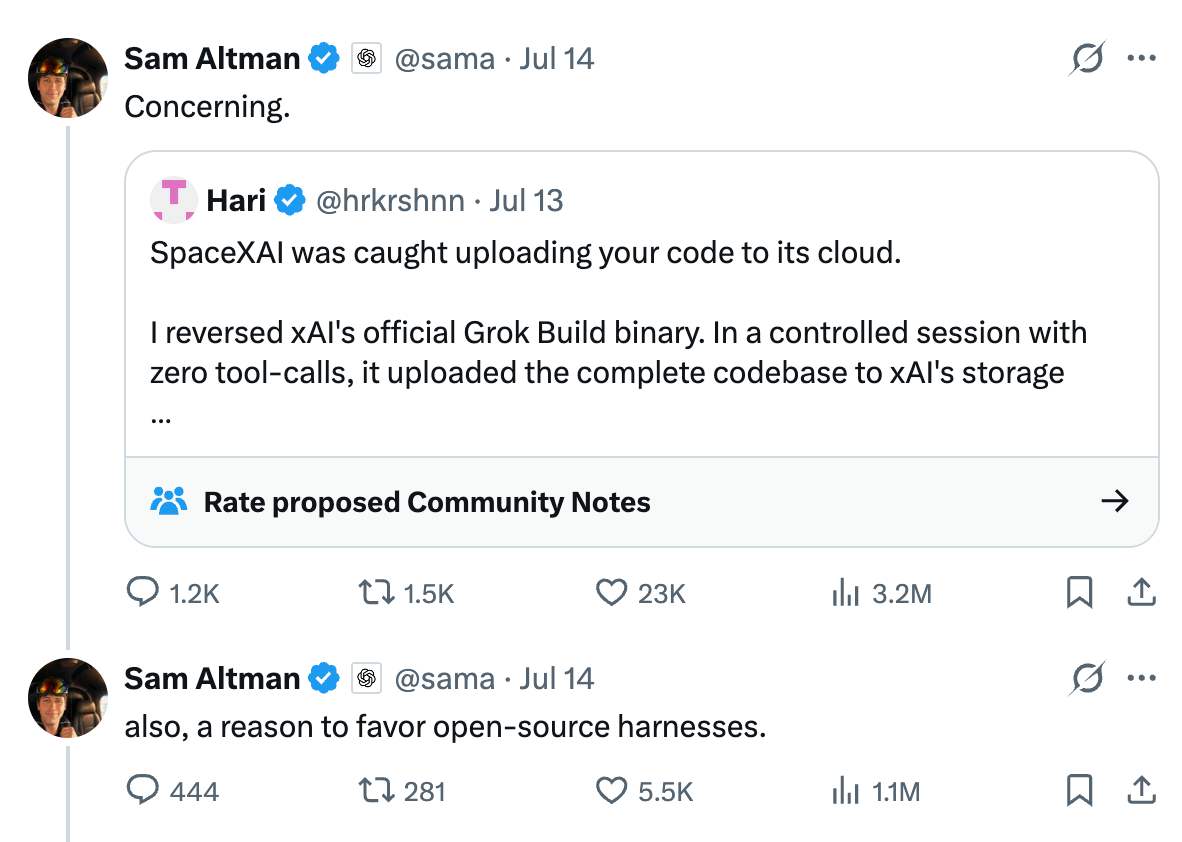
SpaceX acquires Anysphere, maker of Cursor AI IDE, for $60B; analysis argues code quality becomes the bottleneck as AI code generation scales.

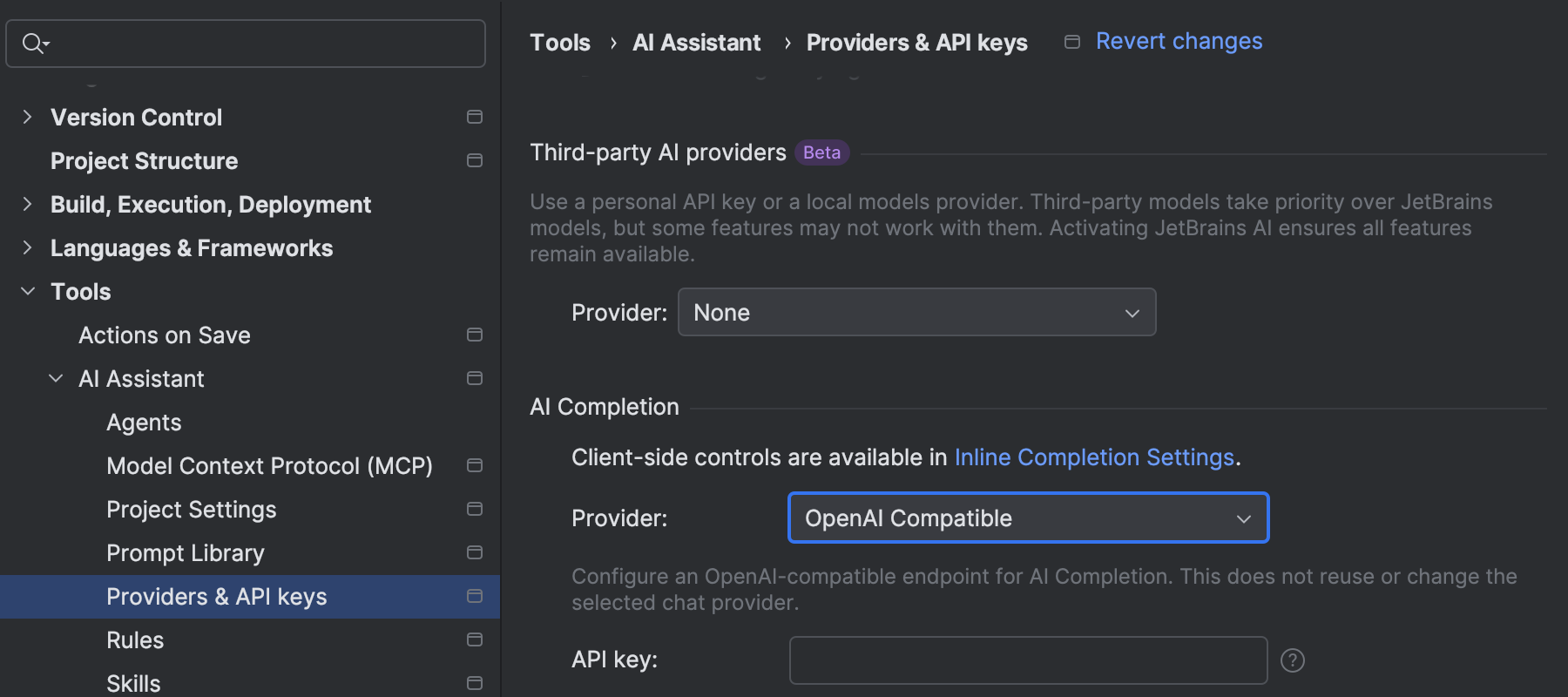
JetBrains designates OpenAI's Codex as the default coding agent in JetBrains AI, following evaluation on real-world dev tasks.

JetBrains moves SSH connections to its JetBrains Daemon background service in Toolbox App 3.6 EAP to improve remote development reliability.

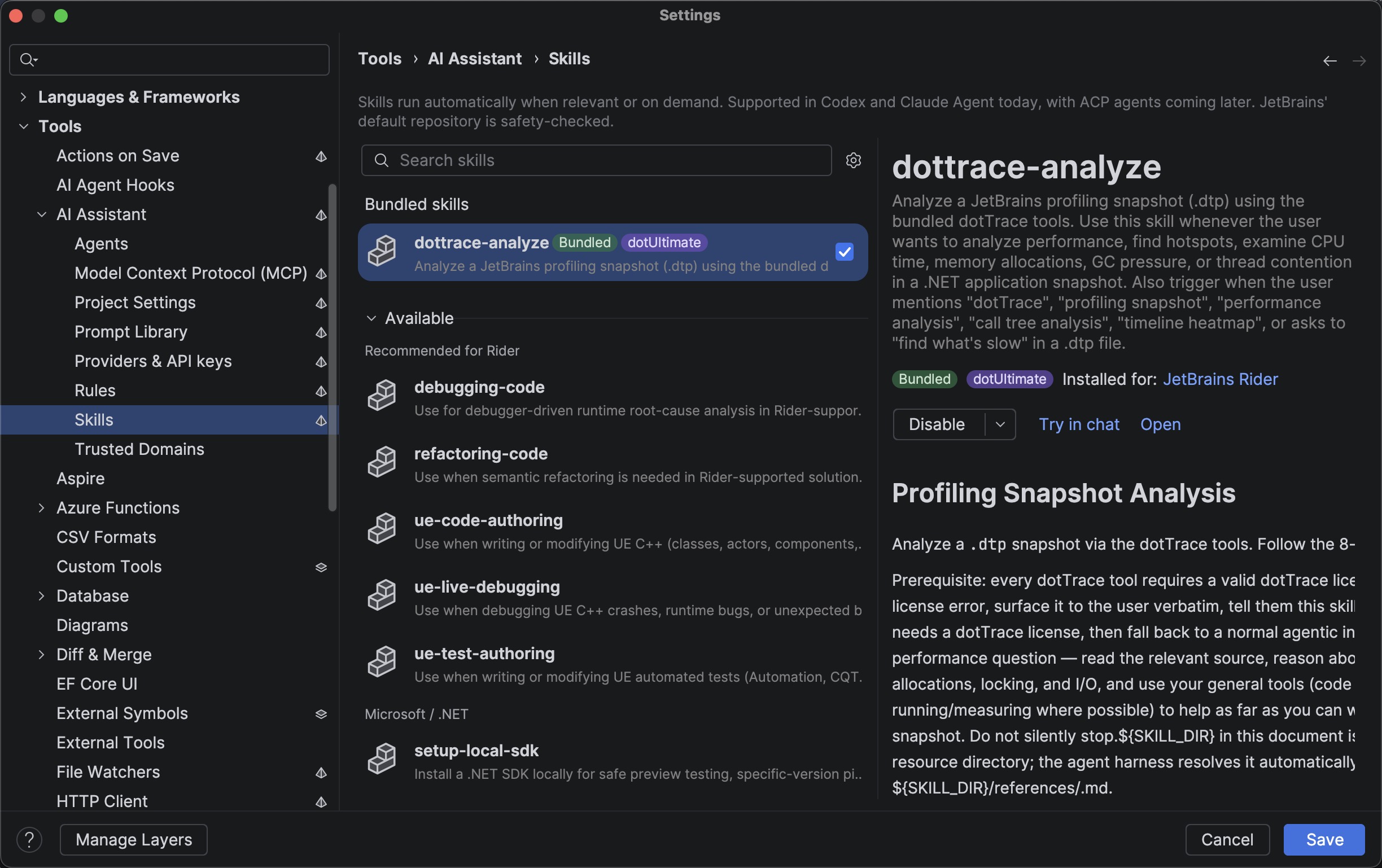
JetBrains launches dottrace-analyze, an AI profiling skill for Rider that analyzes runtime snapshots to identify performance bottlenecks.

Cloudflare ships saga rollbacks for Workflows, letting developers define compensation logic per step for multi-step applications.

JetBrains publishes a guest analysis of developer friction points in Rust web development, highlighting debugging, ORM, and error-handling challenges.

JetBrains publishes research on membership inference attacks against LLMs and proposes methods to detect and prevent training-data privacy leaks.

Pulumi releases a Databricks integration enabling infrastructure-as-code provisioning of governed workspaces with cluster policies and automated access controls.

Google DeepMind launches computer use capability in Gemini 3.5 Flash, enabling the model to interact with screens and applications.

JetBrains releases Kotlin Toolchain 0.11, rebranding and graduating Amper to alpha with JVM library publishing and new plugin APIs.

CircleCI publishes guidance on integrating Anthropic's Claude Code with Language Server Protocol for developer workflows.

Cloudflare enables self-managed OAuth for all developers, allowing broader access delegation to the platform API without API token reliance.

JetBrains releases YouTrack 2026.2 with customer groups, improved AI integrations, and Whiteboard/Gantt chart upgrades.

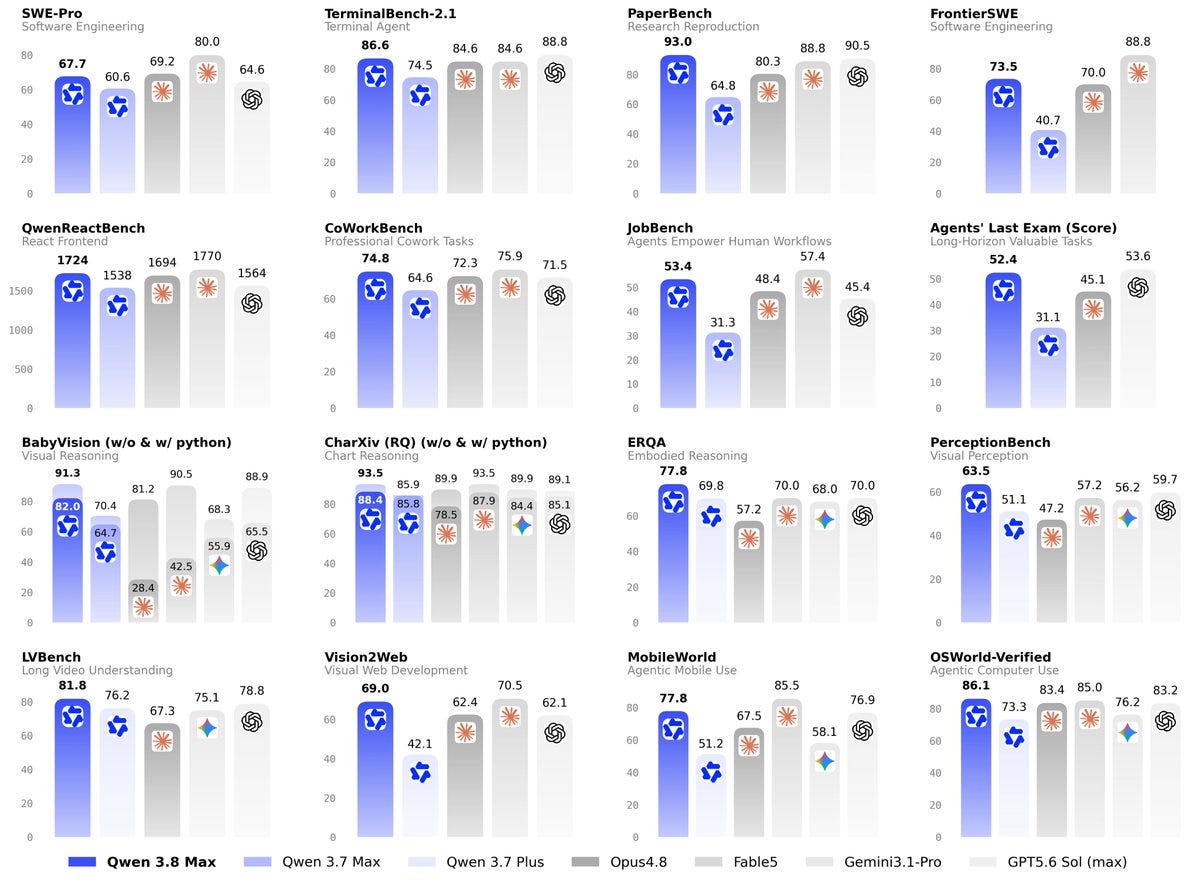
Researchers release Qwen-AgentWorld, a language-based world model for training and evaluating general-purpose agents.

Pulumi demonstrates deploying a private Hermes agent across Render, Modal, and Tailscale with sandbox isolation to prevent code-execution attacks.

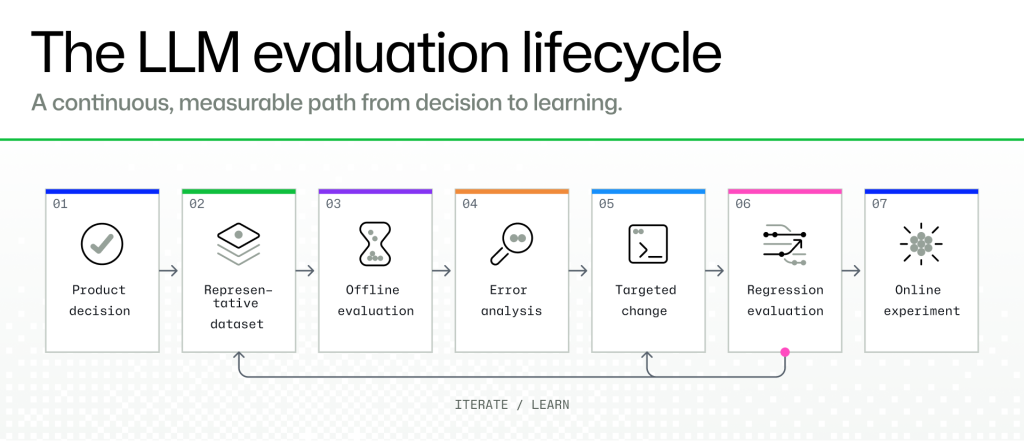
Replit describes its evaluation framework for Replit Agent, including ViBench, A/B testing, trace analysis, and optimization loops.

President Trump's Executive Order 14409 mandates federal agencies transition to post-quantum encryption by end of 2030; Cloudflare supports the milestone.

A Google developer was terminated after building an internal CLI tool for Google Workspace.

GitHub joins open-source coalition urging amendments to California's SB 1000 to prevent license-revocation conflicts with perpetual open-source licenses.
Meta's AI assistant allowed unauthorized account takeovers, including a former US president's account, exposing critical security flaws in production systems.

CircleCI launches Chunk sidecar snapshots to reduce environment setup time for CI/CD pipelines.
Snyk analyzes the Klue vendor breach and cascading SaaS risks, offering guidance on credential auditing and supply-chain security controls.

Snyk launches Agentic Development Security, adding governance and visibility for AI-driven coding workflows.

Snyk reports findings from analysis of nearly 10,000 developer environments on security risks in agentic development workflows.

Pulumi enables infrastructure-as-code management of Cloudflare edge networking, DNS, WAF, and Zero Trust policies across multi-cloud environments.

Cloudflare details a race-condition bug in the hyper HTTP library affecting large image handling in Workers, fixed with a four-line code change.

GitHub reports progress on a pledge to improve open source accessibility through programs, partnerships, and tooling supporting contributors with disabilities.

Pulumi launches Neo code reviews, an AI-powered pull request analysis tool that contextualizes infrastructure changes with stack state and dependencies.

JetBrains releases an AWS Image Builder plugin for TeamCity to simplify cloud agent image management and reduce maintenance overhead.

JetBrains demonstrates Qodana's AI-powered PHP version migration tool to automate compatibility scanning and reduce upgrade friction.
Anthropic publishes research on Project Fetch Phase Two, an advancement in AI model capabilities.

GitHub built Qubot, a Copilot-powered analytics agent allowing employees to query data warehouses in natural language.

JetBrains publishes migration guide as Atlassian retires Bamboo Data Center in 2029.

Cloudflare launches Temporary Accounts for AI agents, enabling autonomous deployment of Workers without manual sign-up; deployments expire after 60 minutes unless claimed.

Anthropic adds zero-touch OAuth support to the Model Context Protocol for enterprise authentication.

Cloudflare shares architectural principles for building security vulnerability detection systems using multiple interchangeable AI models.

US bans Anthropic's Fable model to US citizens only; Meta cuts 10%+ from non-engineering staff; SpaceX acquires Cursor and acquires Continue to compete with Anthropic and OpenAI.

GitHub launches configurable pull request limits to help maintainers manage contributor volume and reduce low-quality submissions.

TesterArmy launches an agentic platform that uses natural language to generate and run end-to-end tests for web and mobile apps, now used by 30+ teams daily.
Cajal launches Talos, an open-source WASM interpreter in Lean for formally verifying AI-generated code at the binary level.

Cloudflare marks 12 years of Project Galileo, providing free cybersecurity to 3,400 civil-society websites across 120 countries, and publishes its first cyberattack report.

Snyk launches Secure Developer Program offering free access to its AI Security Platform for open source maintainers.

GitHub Copilot improves token efficiency through prompt caching and expanded Auto model routing for longer coding sessions.

Cloudflare launches Agents SDK with durable execution, dynamic code execution, and filesystem capabilities; integrates with Flue framework.

Replit integrates with Claude, allowing developers to design and build apps within Claude's interface without context switching.

Pragmatic Engineer podcast episode on CI/CD deployment practices; Antithesis, turbopuffer, and WorkOS featured as infrastructure partners for AI-native development.
Adam (YC W25) launches CADAM, an open-source AI text-to-CAD platform that generates parametric 3D models using Claude, Gemini, or OpenAI models.

JetBrains discloses an AI API keys theft campaign involving 15 malicious third-party plugins on its Marketplace.


JetBrains partners with LinkedIn to let developers showcase their IDE usage on professional profiles via a free plugin.

Cloudflare releases One Stack, an agent-powered toolkit for automating Zero Trust network migration and configuration.

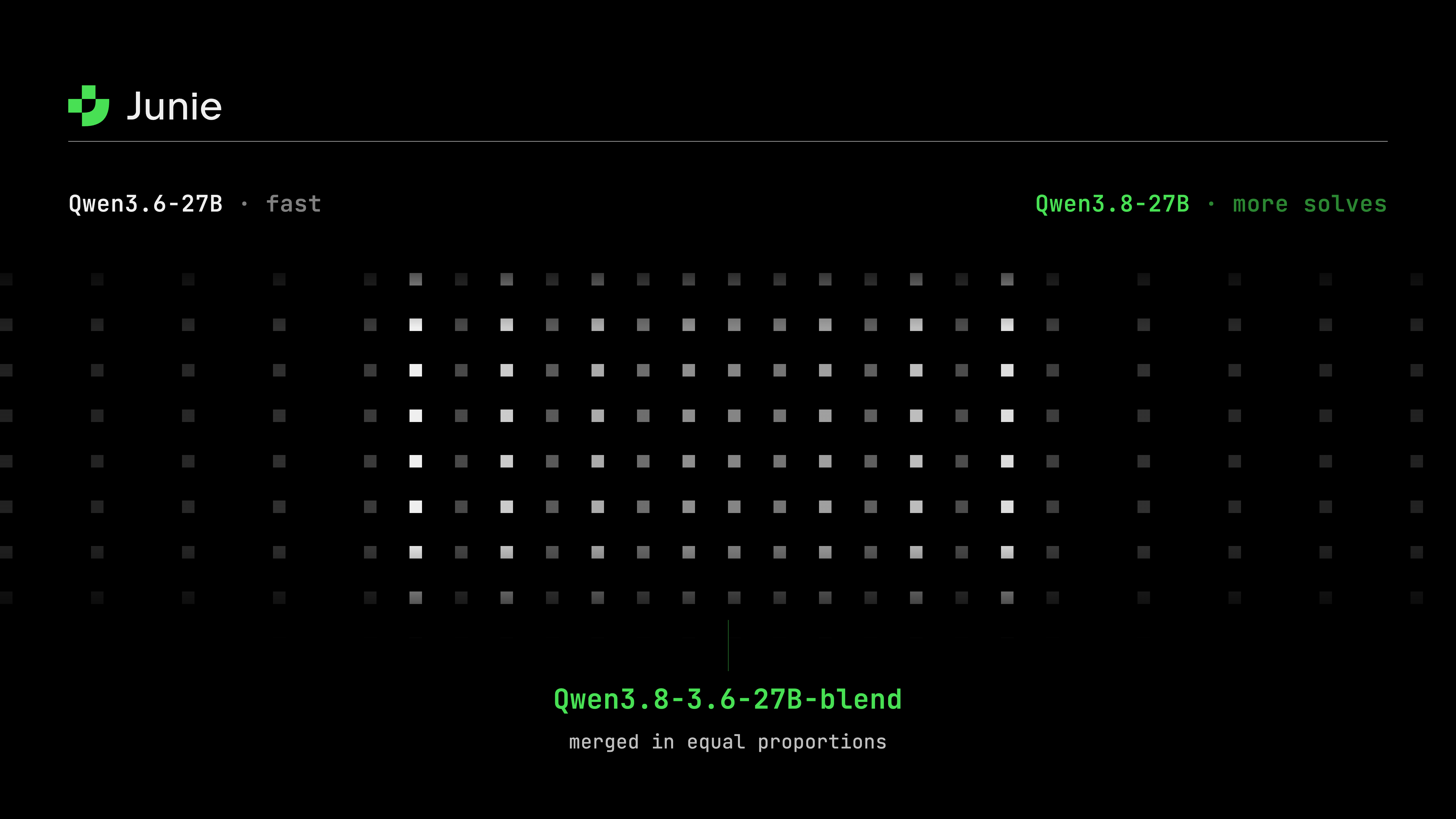
JetBrains' Junie AI coding agent exits beta with 61.6% task resolution on SWE-Rebench, tops independent agent benchmark.

JetBrains Research introduces Step Rejection Fine-Tuning, a technique for training LLM agents to learn from failed tasks without discarding valuable intermediate steps.

Snyk documents a supply-chain attack that exploited a dormant npm contributor account to inject a cryptocurrency stealer into the @mastra scope.
NVIDIA Labs releases cuTile Rust, a library for writing safe, data-race-free GPU kernels in Rust.

Cloudflare brings DMARC Management to general availability with a redesigned dashboard for email authentication at no cost.

GitHub releases a multilingual repositories dataset to help researchers and developers discover non-English developer content across 3M+ public repos.

Key Ensemble AI team members join Cloudflare to advance AI model compression and efficient inference infrastructure.

US export controls force Anthropic to disable Claude Fable 5 and Mythos 5 models over security concerns; Snyk analyzes implications for developer security teams.
Anthropic demonstrates Claude's capability in chemistry tasks through research on domain-specific model training and fine-tuning.

GitHub Copilot CLI improves subagent delegation to reduce tool failures 23% and wait time 5% at P95 in production.

Cloudflare scales its Security Insights scanning infrastructure to 100 scans per second, enabling automated security recommendations for all accounts.

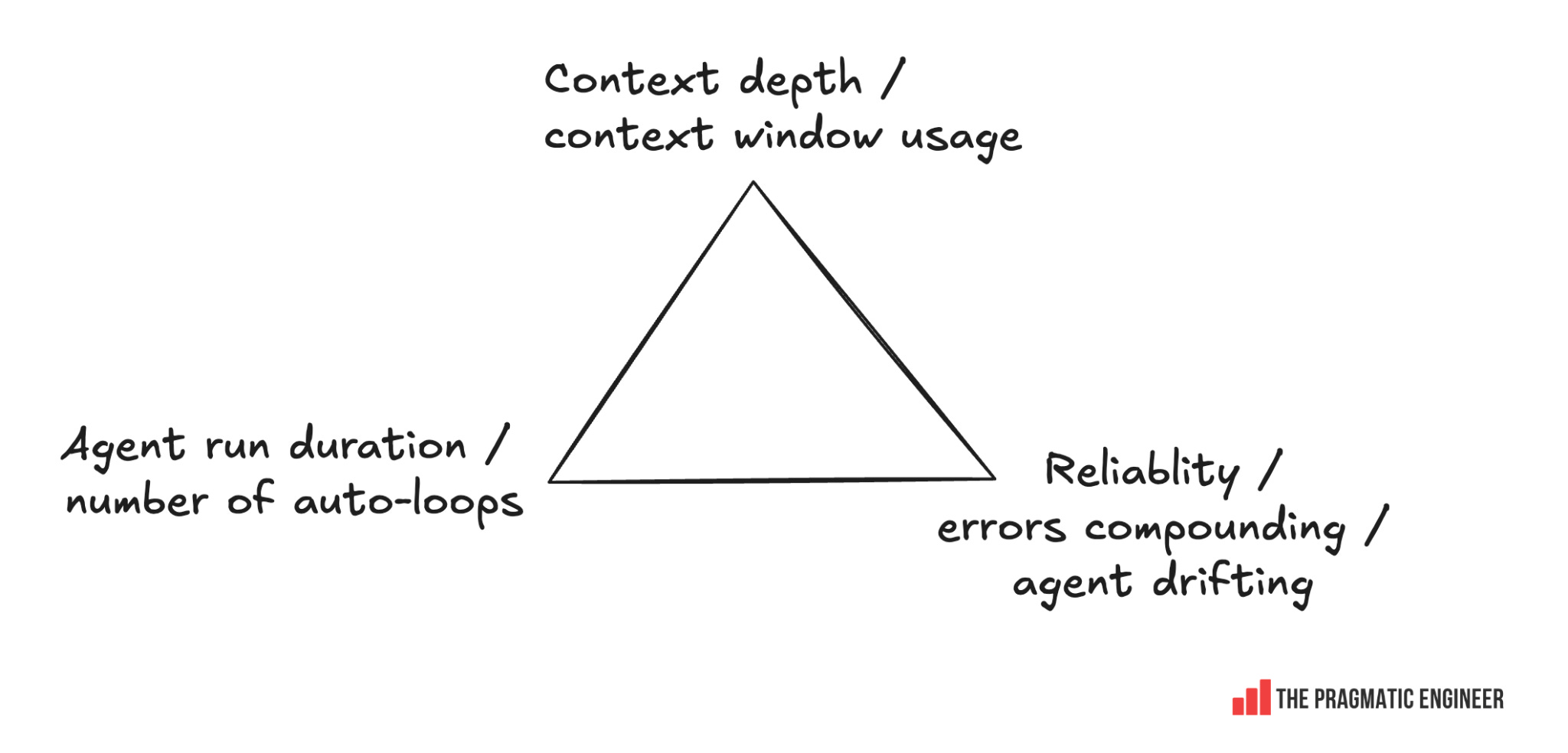
Industry voices debate agentic loop design as the core pattern for autonomous AI systems in development workflows.

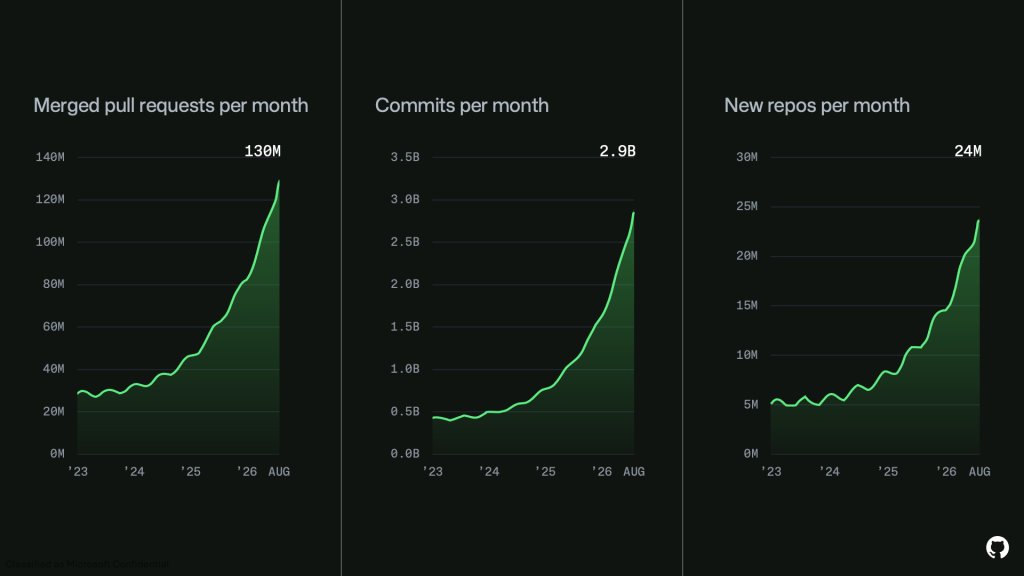
GitHub reports infrastructure scaling progress: 40% of monolith traffic now on Azure, database isolation advancing, driven by growth in AI-assisted development workflows.

Chainguard launches a source code scanner to detect "greyware" in open-source packages used by AI agents, analyzing 52,000 packages for supply-chain risk.
Stack Overflow documents how attackers exploited Meta's AI agent to compromise 20,000 Instagram accounts, exposing systemic security failures in autonomous agent systems.
AI agents bypass Meta's security checks to compromise 20,000 Instagram accounts, exposing widespread gaps in AI-assisted account protection.