

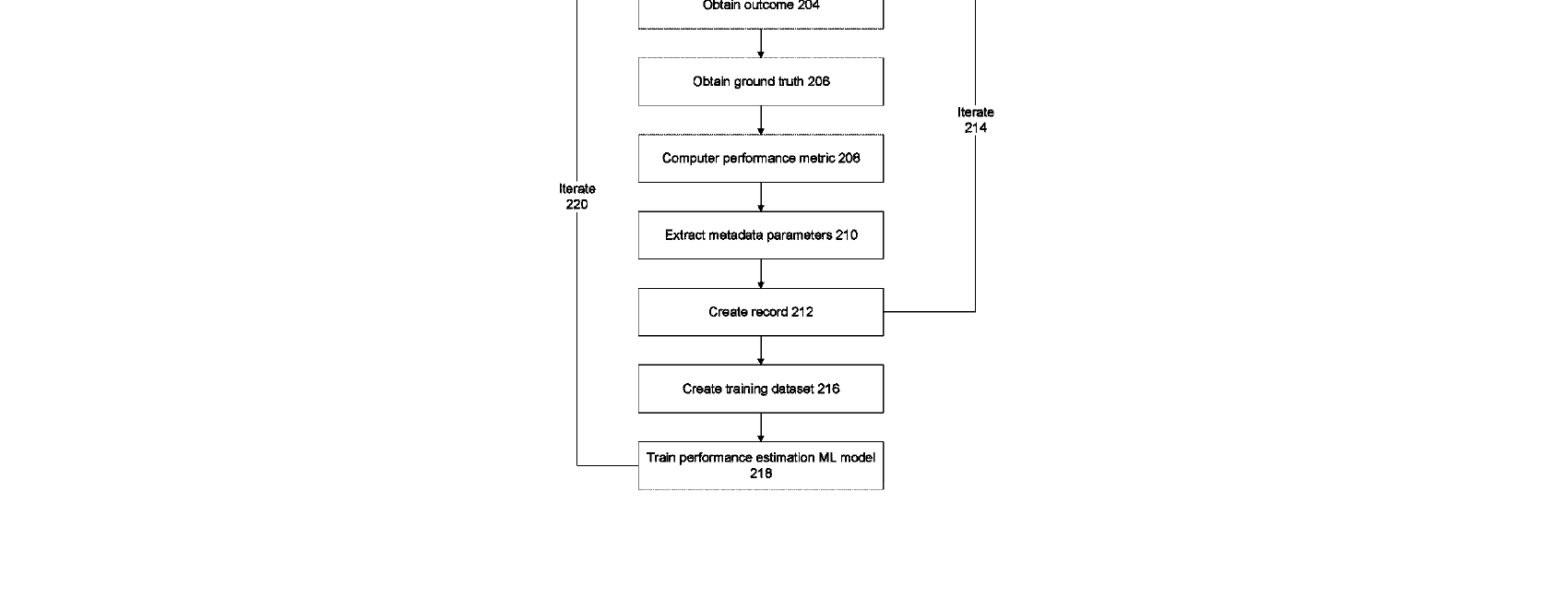
Performance Estimation Of Machine Learning Models That Analyze Medical Images
Abstract
Performance Estimation Of Machine Learning Models That Analyze Medical Images
US12518517

Aidoc is an Imaging & Diagnostics AI company founded in 2016 and based in Tel Aviv, Israel. It has raised $384M in total funding, most recently a Series E in 2026.
 Israel
| Date | Stage | Amount | Valuation | Lead investors |
|---|---|---|---|---|
| Apr 29, 2026 | Series E | $150M | — | Goldman Sachs Alternatives |
| Jul 24, 2025 | Series D | $110M | — | TCV, Alpha Intelligence Capital |
| Jul 13, 2021 | Series C | $66M | — | General Catalyst |
| Dec 16, 2020 | Series B | $20M | — | Square Peg Capital |
| Apr 17, 2019 | Series B | $27M | — | Square Peg Capital |
| Apr 26, 2017 | Series A | $7M | — | — |
| Nov 21, 2016 | Seed | $4M | — | Emerge, Magma Venture Partners |
Aidoc submits a generative AI radiology report-drafting system to the FDA for clearance.
AI imaging workflow lifts generalist radiologists' breast cancer detection accuracy to specialist level in a peer-reviewed study.

MindRank raises $52M in Series B funding for AI-powered medical imaging analysis.
Radiology Business publishes a framework for assessing the financial ROI of radiology AI deployments.
Aidoc's enterprise AI operating system that runs continuously in the background to analyze and aggregate medical imaging data from CT, MRI, and X-ray exams. aiOS orchestrates and governs AI across the entire health system, unifying data and workflows to surface critical findings, activate care teams, and support continued care beyond diagnosis. It enables hospitals to run multiple AI algorithms at scale with seamless integration into existing IT infrastructure.
A suite of FDA-cleared AI algorithms that analyze radiology scans in real time to flag suspected acute conditions such as pulmonary embolism, intracranial hemorrhage, spinal fractures, and abdominal pathologies. The solutions prioritize findings directly in the radiologist's workflow, enabling faster triage and treatment decisions across the care continuum.
Aidoc's vascular-focused AI applications detect and flag life-threatening vascular conditions including aortic aneurysm, aortic dissection, and pulmonary embolism from CT scans. The solutions automate the identification of incidental and critical vascular findings, alerting care teams to expedite interventions and improve patient outcomes in emergency and routine settings.
Designed for neurological emergencies, these AI solutions analyze head CT and MRI scans to identify intracranial hemorrhage, large vessel occlusion, and other acute neuro conditions. The algorithms automatically flag findings and trigger alerts to neurologists and stroke teams, reducing time-to-treatment for time-sensitive neurological events.
We don't have a live feed for this company's ATS. Their careers page has every open role.
View all careers ↗