DexCom (DXCM) is a publicly traded Connected Wearables company founded in 1999 and based in San Diego, United States.
| Date | Stage | Amount | Valuation | Lead investors |
|---|---|---|---|---|
| Apr 14, 2005 | IPO | $56.4M | — | Piper Jaffray |
| Jun 5, 2002 | Series C | $30M | — | RWI Group and Affiliates |
DexCom reported Q2 2026 revenue of $1.308 billion, up 13% year-over-year (12% organic growth). U.S. revenue grew 11% and international revenue grew 19% reported (16% organic). GAAP gross profit was $830.0 million or 63.4% of revenue, compared to 59.5% in Q2 2025. GAAP operating income was $318.3 million or 24.3% of revenue, up 590 basis points from 18.4% in the prior year. GAAP net income was $249.1 million, or $0.64 diluted EPS, compared to $179.8 million or $0.45 in Q2 2025. The company announced positive results from the CONNECT randomized controlled trial demonstrating clinical improvements in glucose control for type 2 diabetes patients, and launched a reimagined Stelo app with AI-driven insights. For full-year 2026, DexCom raised guidance to $5.18–$5.25 billion revenue (11–13% growth) and increased non-GAAP gross margin guidance to approximately 64%, operating margin to 23.5–24%, and adjusted EBITDA margin to 31.5–32%.
Full-year 2026 revenue $5.18–$5.25 billion (11–13% growth); Non-GAAP gross margin ~64%; Non-GAAP operating margin ~23.5–24%; Adjusted EBITDA margin ~31.5–32%

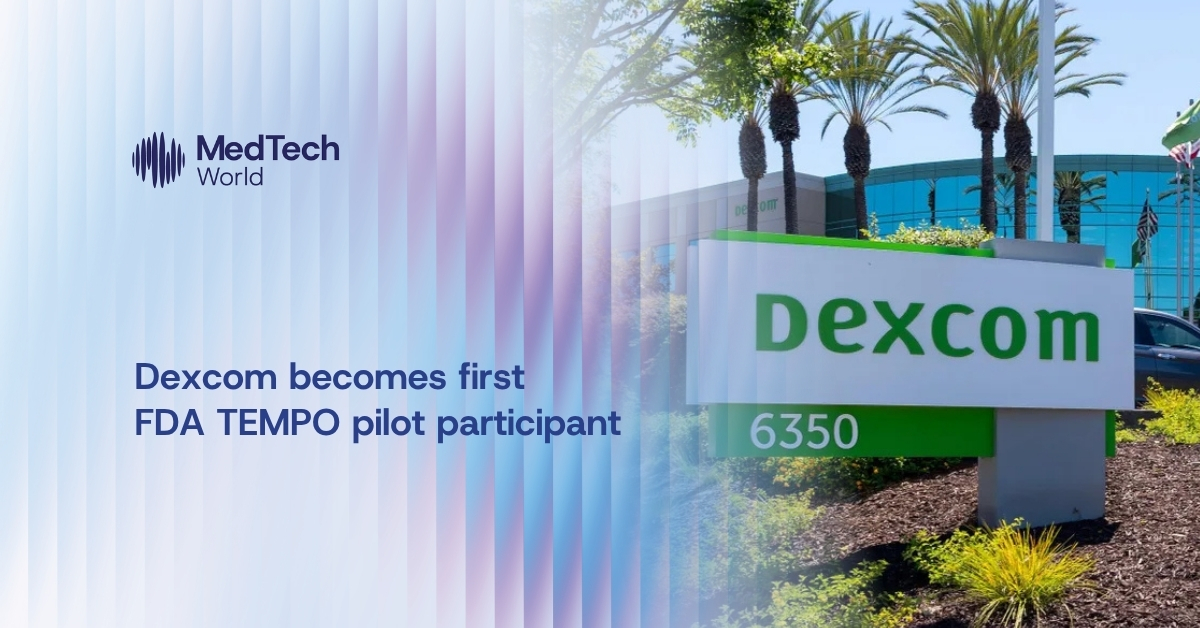
DexCom named first participant in FDA digital health pilot, exempting select devices from certain premarket requirements during real-world data collection through Medicare.

AMA survey finds physician use of patient wearable data is stymied by reimbursement gaps and poor EHR integration.

Dexcom's Stelo OTC glucose sensor gains FDA clearance for children as young as two years old.

DexCom, Abbott, and Insulet showcase upcoming diabetes management technologies at the ADA Scientific Sessions.

Dexcom releases study data supporting glucose-sensor use for non-insulin-dependent Type 2 diabetes patients.

DexCom and two other diabetes-care device makers presented clinical data at the American Diabetes Association Scientific Sessions.
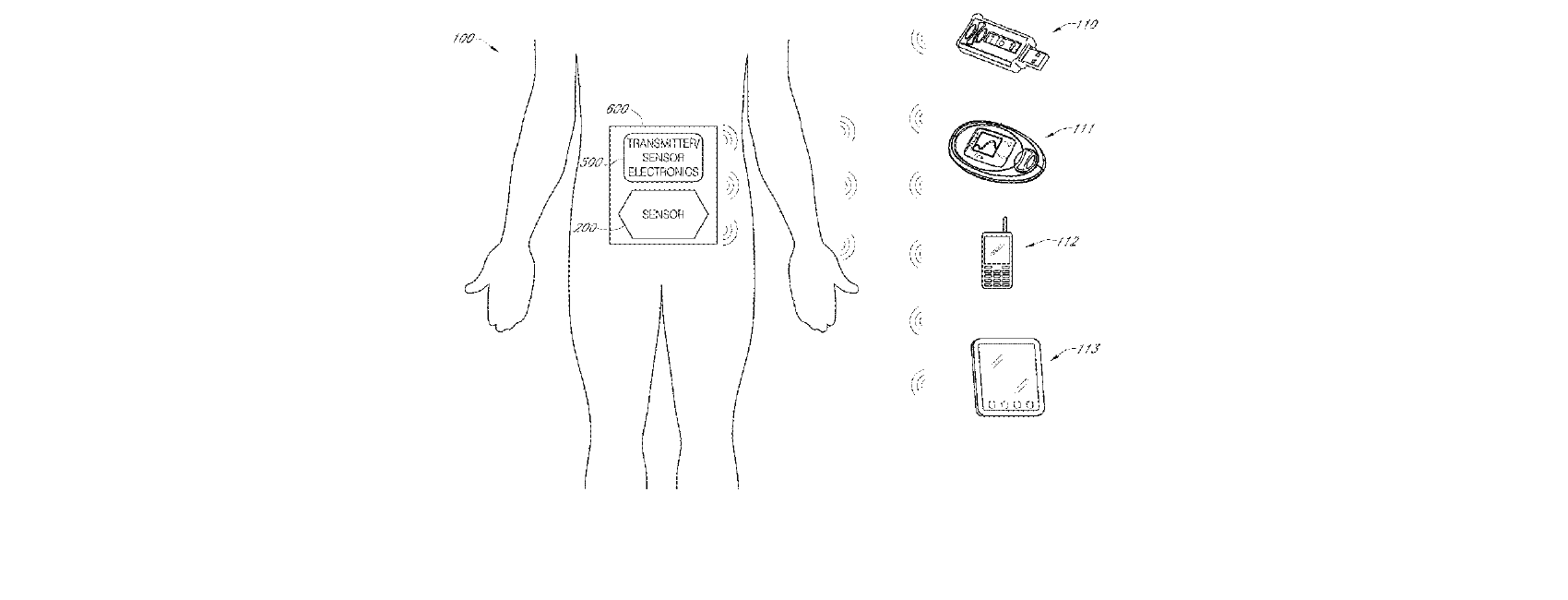
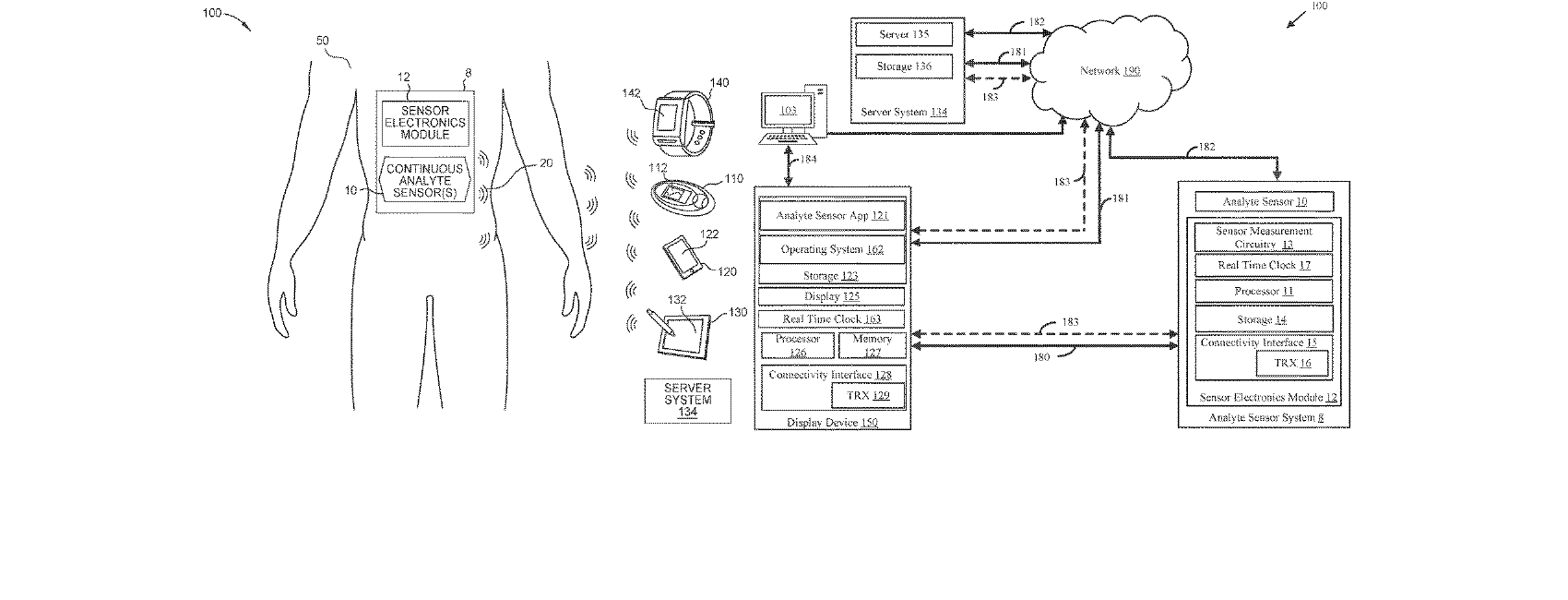
Dexcom G7 is the company's latest continuous glucose monitoring (CGM) system, featuring a fully integrated all-in-one sensor and transmitter worn on the upper arm. It delivers real-time glucose readings directly to a smartphone with a 30-minute warm-up — the shortest of any CGM on the market. The G7 supports 10-day wear (with a 15-day version available), is compatible with automated insulin delivery (AID) systems like Omnipod 5 and Tandem t:slim X2, and enables direct-to-Apple-Watch connectivity so users can view glucose data without carrying their phone. Its smaller, streamlined design and improved accuracy at the low end make it a top choice for people with Type 1 and Type 2 diabetes managing intensive insulin therapy.
Dexcom G6 is the previous-generation CGM system that set the standard for fingerstick-free diabetes management. It uses a two-piece design — a disposable sensor worn for 10 days and a reusable transmitter that lasts up to three months — to stream real-time glucose data to a smartphone or compatible receiver. The G6 requires no routine fingerstick calibration and offers customizable alerts for high and low glucose levels. It leads the industry in pump connectivity, integrating with multiple automated insulin delivery systems including Tandem, Omnipod, and Insulet devices, making it a reliable choice for users who need robust interoperability.
Stelo is Dexcom's over-the-counter (OTC) CGM launched in 2024, available without a prescription for adults with Type 2 diabetes who do not use insulin. It provides continuous glucose readings and insights directly to a smartphone app, helping users understand how food, activity, and daily routines affect their blood sugar. Stelo is designed for the broader wellness and prediabetes market — people who want to track their glucose patterns to make informed lifestyle adjustments. It uses the same sensor technology as Dexcom's prescription CGMs but is tailored with a simplified app experience focused on education and trend awareness rather than clinical alerts.