Viz.ai is an Imaging & Diagnostics AI company founded in 2016 and based in San Francisco, United States. It has raised $289.5M in total funding, most recently a Growth in 2023.
| Date | Stage | Amount | Valuation | Lead investors |
|---|---|---|---|---|
| Mar 1, 2023 | Growth | $40M | — | CIBC Innovation Banking |
| Apr 7, 2022 | Series D | $100M | $1.2B | Tiger Global, Insight Partners |
| Mar 17, 2021 | Series C | $71M | — | Scale Venture Partners, Insight Partners |
| Oct 23, 2019 | Series B | $50M | — | Greenoaks |
| Jul 18, 2018 | Series A | $21M | — | Kleiner Perkins |
| May 24, 2017 | Seed | $7.5M | — | DHVC (Danhua Capital), Innovation Endeavors |
No articles ingested yet for Viz.ai. Once the hourly news pipeline is live, every article the classifier tags as mentioning this company appears here with its one-line AI summary and sentiment.
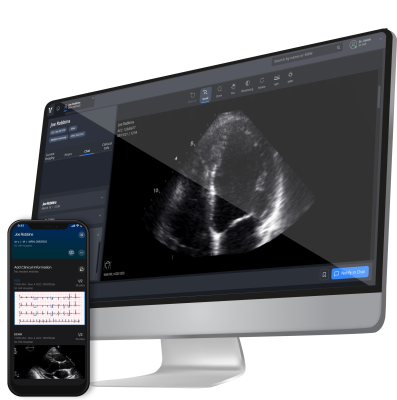
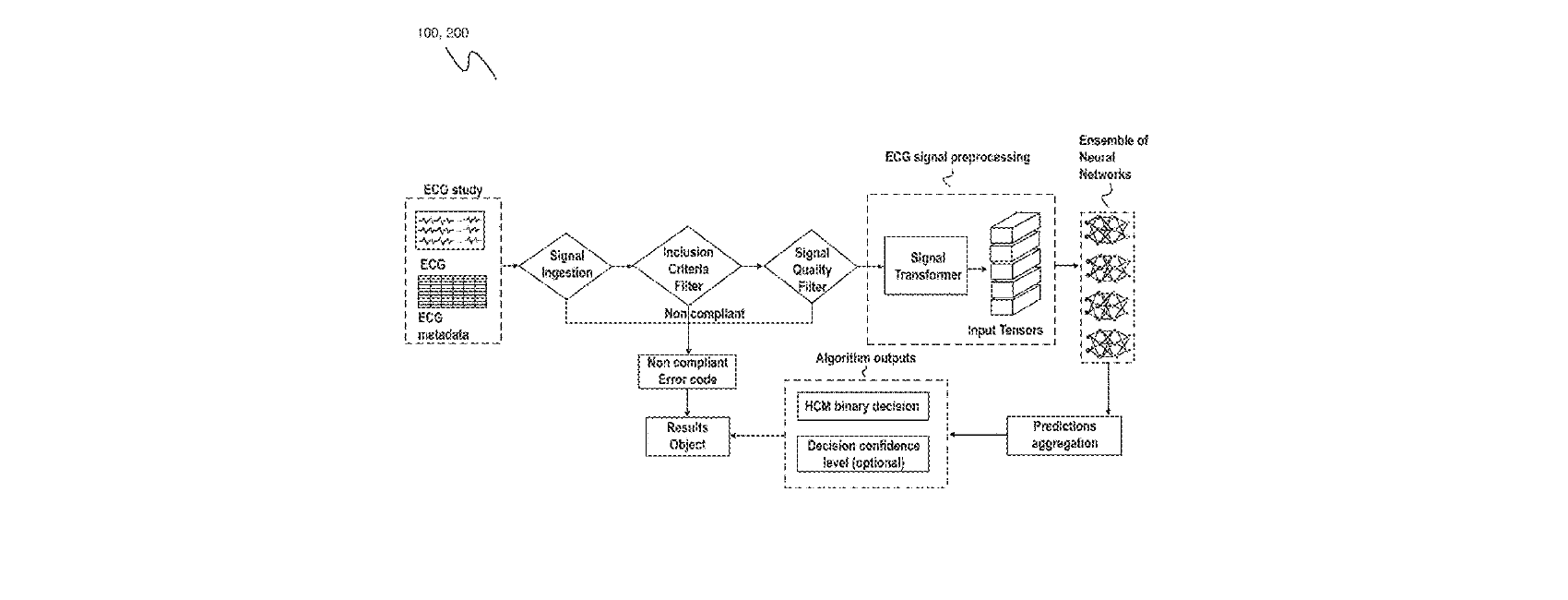
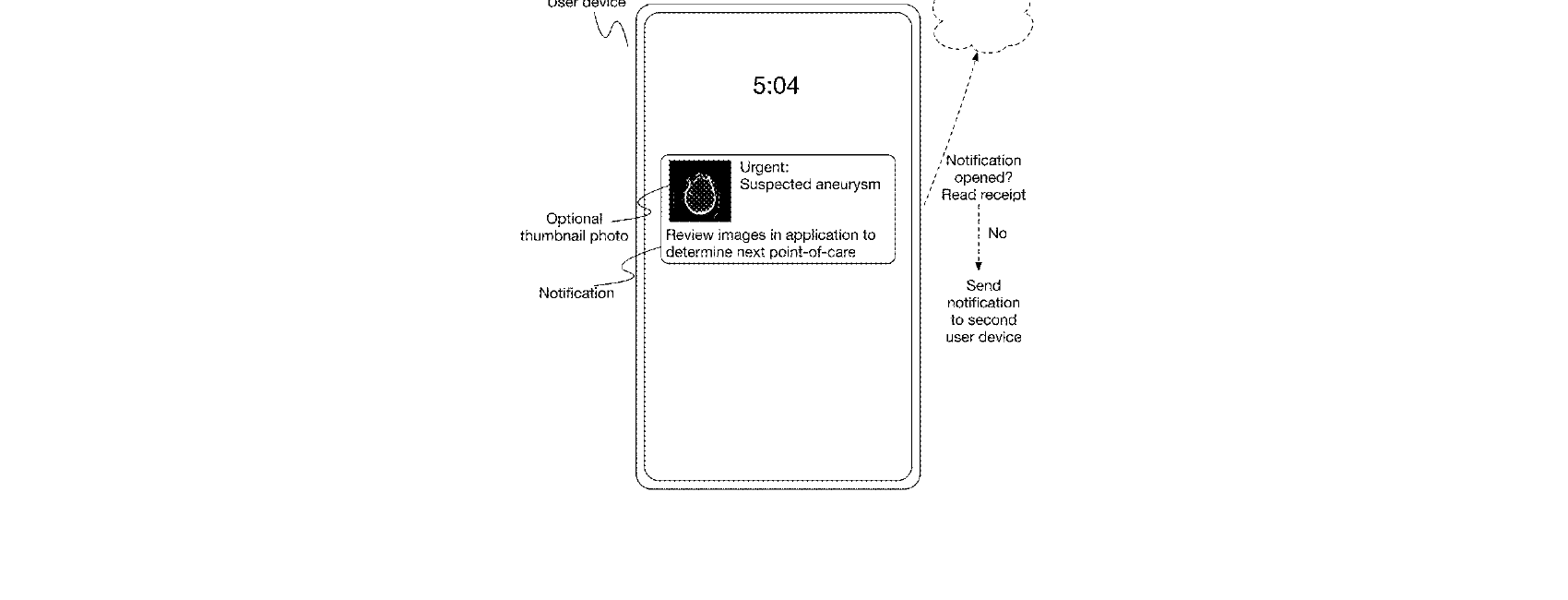
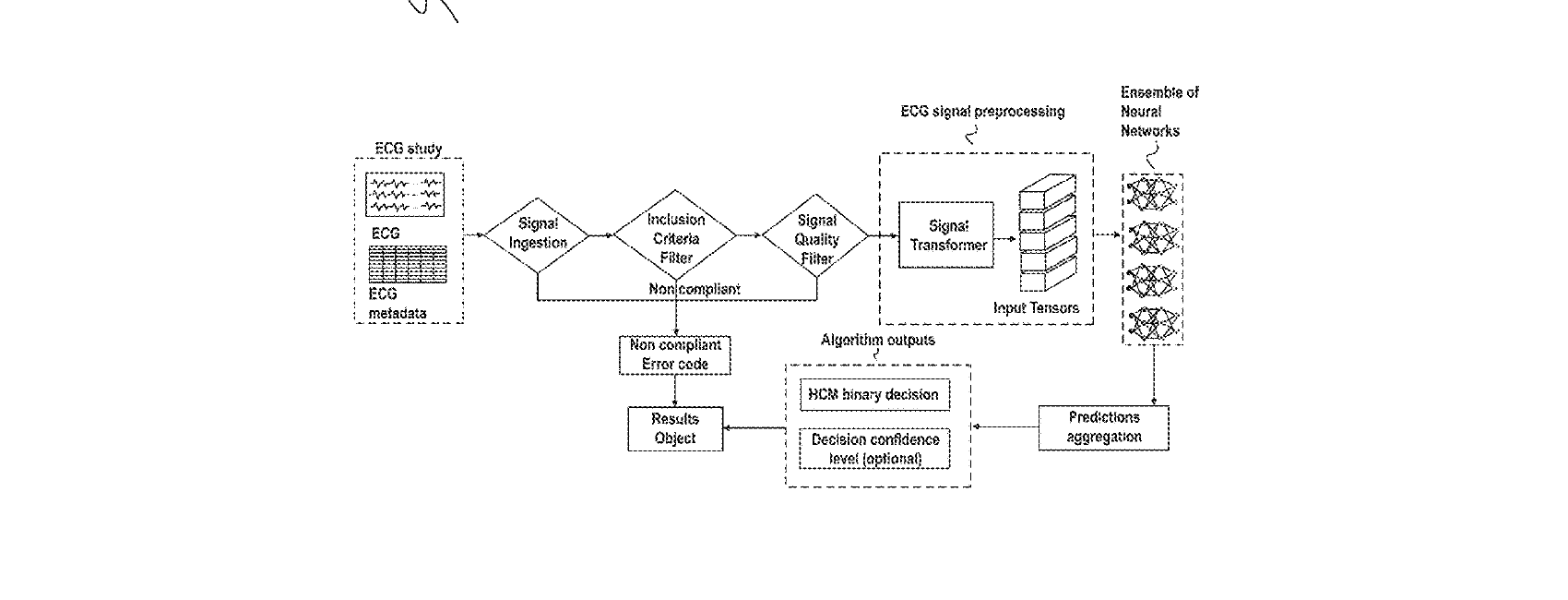
Viz.ai One is the flagship AI-powered care coordination platform that uses over 50 FDA-cleared algorithms to analyze medical imaging — including CT scans, EKGs, and echocardiograms — to detect suspected stroke, pulmonary embolism, aortic disease, and other conditions in real time. It automatically alerts and connects the entire care team via mobile app, enabling faster treatment decisions across neurology, cardiology, and vascular specialties. Deployed in over 1,800 hospitals, it was the first AI platform to receive CMS reimbursement.
Viz Assist is a multimodal AI agent platform that works alongside clinicians to surface real-time, guideline-based recommendations directly within the Viz Platform. Using generative AI, it automates pre-charting, documentation, and clinical busywork so care teams can focus on patient-facing decisions. It identifies critical patients, automates care coordination tasks, and delivers actionable insights at the point of care to accelerate treatment timelines.
Viz Agent Studio is a capability within the Viz.ai One platform that enables health systems to build, customize, and deploy their own AI-powered care pathways. Using natural language and AI-assisted tools, clinical and operational leaders can translate clinical guidelines into standardized, scalable workflows — expanding how care protocols are applied across every patient, every time, without requiring deep technical expertise.