Google Quantum AI (GOOGL) is a publicly traded Superconducting Qubits company founded in 2012 and based in Mountain View, United States.
No dated funding rounds on file. This company is privately held and may be raising or operating on undisclosed capital.
Alphabet reported Q2 2026 revenues of $119.8 billion, up 24% year-over-year, marking the 12th consecutive quarter of double-digit revenue growth. Google Services revenues grew 15% to $94.5 billion, led by 17% growth in Search, while YouTube ads grew 13%. Google Cloud accelerated sharply, growing 82% to $24.8 billion, driven by demand for AI infrastructure and enterprise AI solutions. Operating income increased 30% to $40.8 billion, with operating margin expanding 2 percentage points to 34%. The company reported a substantial $98.0 billion net gain on equity securities, boosting net income to $112.1 billion and EPS to $9.11. During the quarter, Alphabet raised $49.6 billion through equity issuance and $20.3 billion in senior unsecured notes for capital expenditures and general corporate purposes. The company highlighted strong AI adoption, with nearly 90% of the Fortune 100 using Gemini Enterprise and the Gemini App reaching 950 million monthly active users.

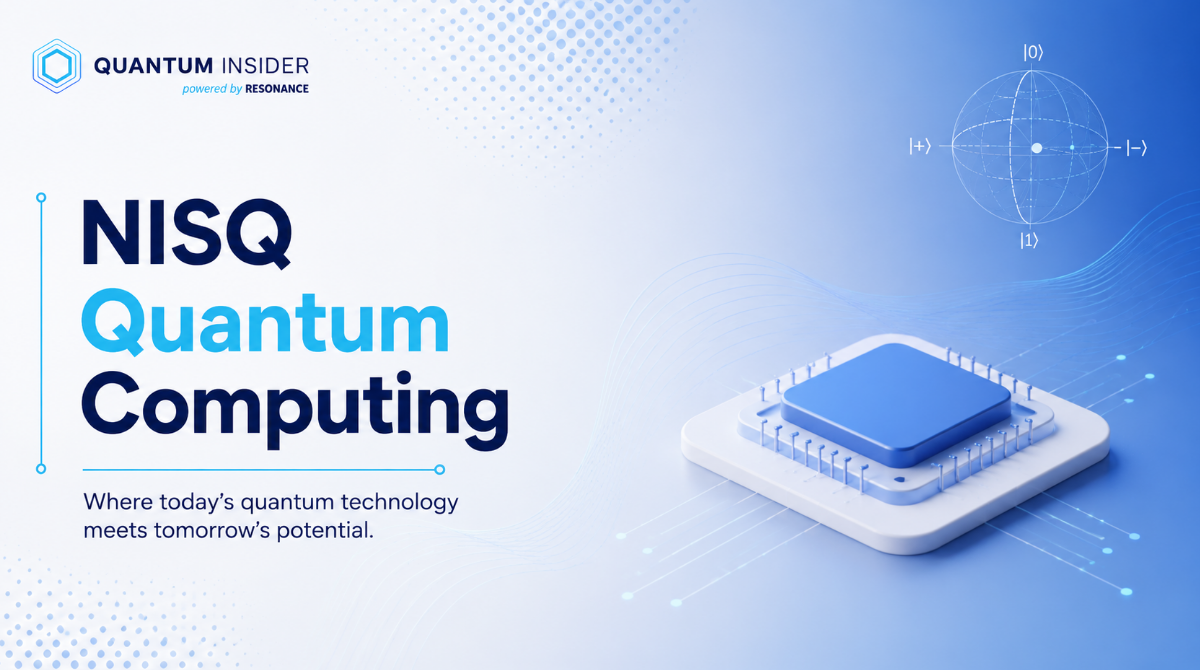
Explainer on NISQ quantum computing: current noisy machines are research platforms, not yet capable of breaking encryption or commercial-grade simulation.

Quantum X Labs publishes AI error-decoder results tested on Google Quantum AI's public surface-code dataset, beating matching-family benchmarks with synthetic-only training.
105-qubit superconducting processor that achieved below-threshold quantum error correction—meaning logical error rates improve exponentially as more qubits are added—published in Nature in December 2024. Completed a Random Circuit Sampling benchmark in under five minutes that would take classical supercomputers 10 septillion years. In October 2025, Google demonstrated the first verifiable quantum advantage on Willow using the Quantum Echoes algorithm, running 13,000x faster than leading supercomputers on atomic interaction modeling.
54-qubit superconducting processor that achieved quantum supremacy in 2019, completing a sampling task in 200 seconds estimated to take the fastest classical supercomputers 10,000 years. Served as Google's primary research platform from 2019 through 2024 and underpinned multiple landmark publications in quantum error correction, quantum simulation, and variational quantum algorithms. Established the scientific foundation for the subsequent Willow generation.
We don't have a live feed for this company's ATS. Their careers page has every open role.
View all careers ↗