PsiQuantum is a Photonic Qubits company founded in 2016 and based in Palo Alto, United States. It has raised $2.3B in total funding, most recently a Series E in 2025 at a $7B valuation.
| Date | Stage | Amount | Valuation | Lead investors |
|---|---|---|---|---|
| Sep 10, 2025 | Series E | $1B | $7B | BlackRock, Temasek, Baillie Gifford |
| Apr 30, 2024 | Growth | $620M | — |
| Australian Government, Queensland Government |
| Jul 27, 2021 | Series D | $450M | — | BlackRock |
| Jan 1, 2020 | Series C | $150M | — | Atomico, BlackRock |
| Jan 1, 2017 | Series B | $50M | — | — |
| Jan 1, 2016 | Series A | $13.5M | — | Playground Global |
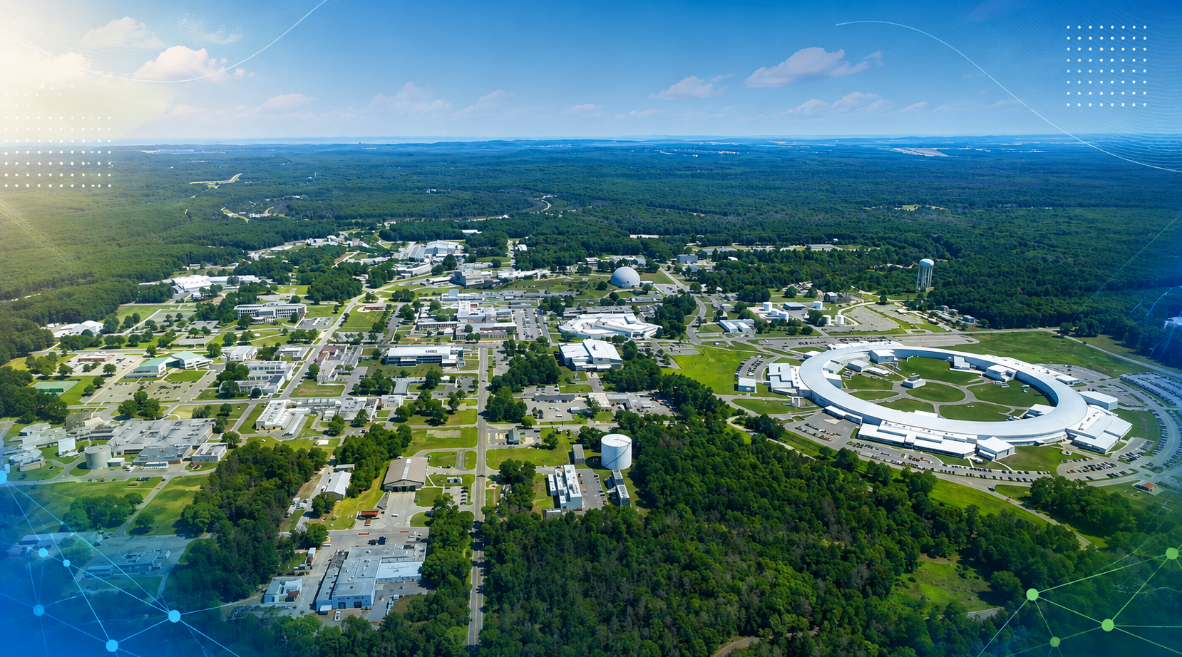
PsiQuantum partners with Brookhaven National Lab to develop quantum applications.

PsiQuantum partners with Brookhaven National Lab to develop fault-tolerant quantum algorithms on its Construct platform under the DOE's Quantum Genesis initiative.
Silicon photonics wafer fabricated using standard CMOS processes at GlobalFoundries, announced February 2025. Designed as the manufacturing-ready hardware platform for PsiQuantum's fault-tolerant photonic quantum computer, integrating single-photon sources, detectors, and routing circuits on a single chip manufacturable at semiconductor scale. Serves as the physical substrate for PsiQuantum's surface-code error correction architecture targeting one million physical qubits. Core to the Chicago and Brisbane facility buildouts announced in 2026.
Software development platform for fault-tolerant quantum algorithm design, launched September 2025. Supports the full algorithm lifecycle: high-level specification, automatic mapping onto surface-code error correction, qubit routing optimization across the Omega photonic chip, and resource estimation (logical qubit count, circuit depth). Integrates NVIDIA CUDA-Q for 450x simulation speedup. The only software platform purpose-built for fault-tolerant algorithm development; targeted at researchers and enterprises preparing algorithms for near-term fault-tolerant hardware.
88 patents on file, but none with both an extractable figure and an abstract on Google Patents yet.