Quantum Computing news
Subscribe via RSS ↗100 relevant articles · classified by Haiku 4.5 · ingested daily
100 relevant articles · classified by Haiku 4.5 · ingested daily
Nine winners of Japan's NEDO Quantum Challenge Season 1 all used IBM Quantum hardware, with four industry sponsor prizes awarded.

The UK and Singapore agree to harmonise post-quantum cryptography migration roadmaps and quantum security standards for the financial sector.

Palm Beach State College and FAU activate Florida's first operational quantum-safe network link, built on IonQ QKD hardware under a $1M grant.

Ericsson Canada and ÉTS partner on a Mitacs-backed project to build variational quantum algorithms for telecom network optimization.

ZuriQ and Rhonexum form a multi-year partnership to integrate Rhonexum's cryogenic control ICs into ZuriQ's 2D trapped-ion processors, with first shipments expected late 2026.
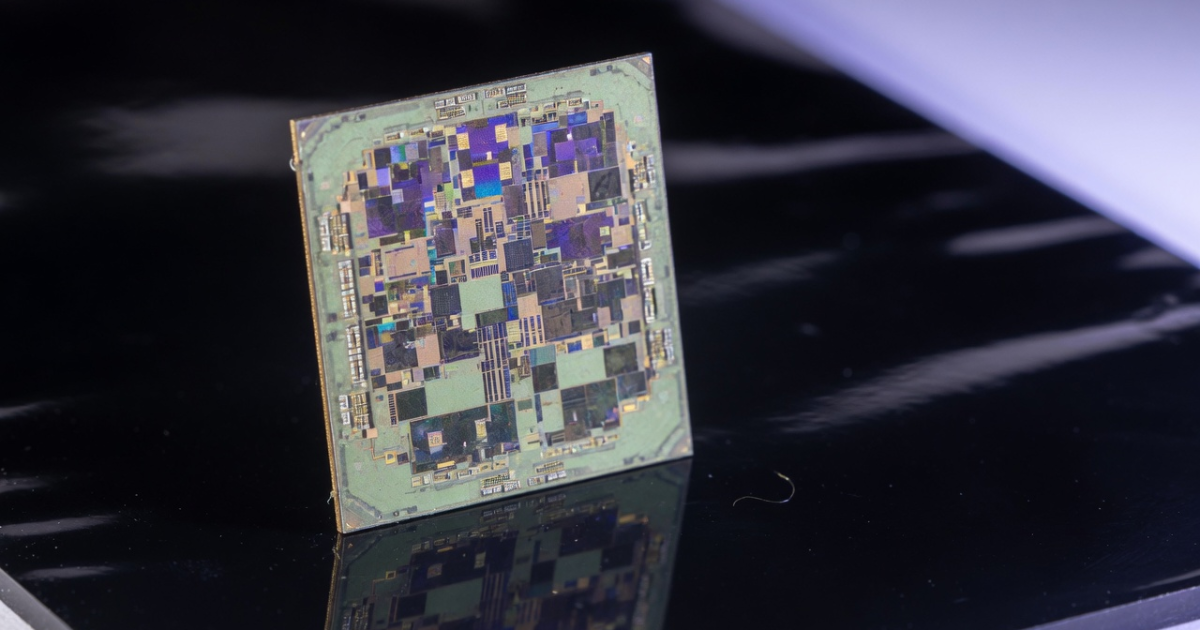
New control pulses reach 99.9% gate accuracy on superconducting qubits, per a Quantum Zeitgeist report.

AIST researchers directly observe magnetic flux quanta from photon absorption in a superconductor, enabling photon-number detection by counting them.
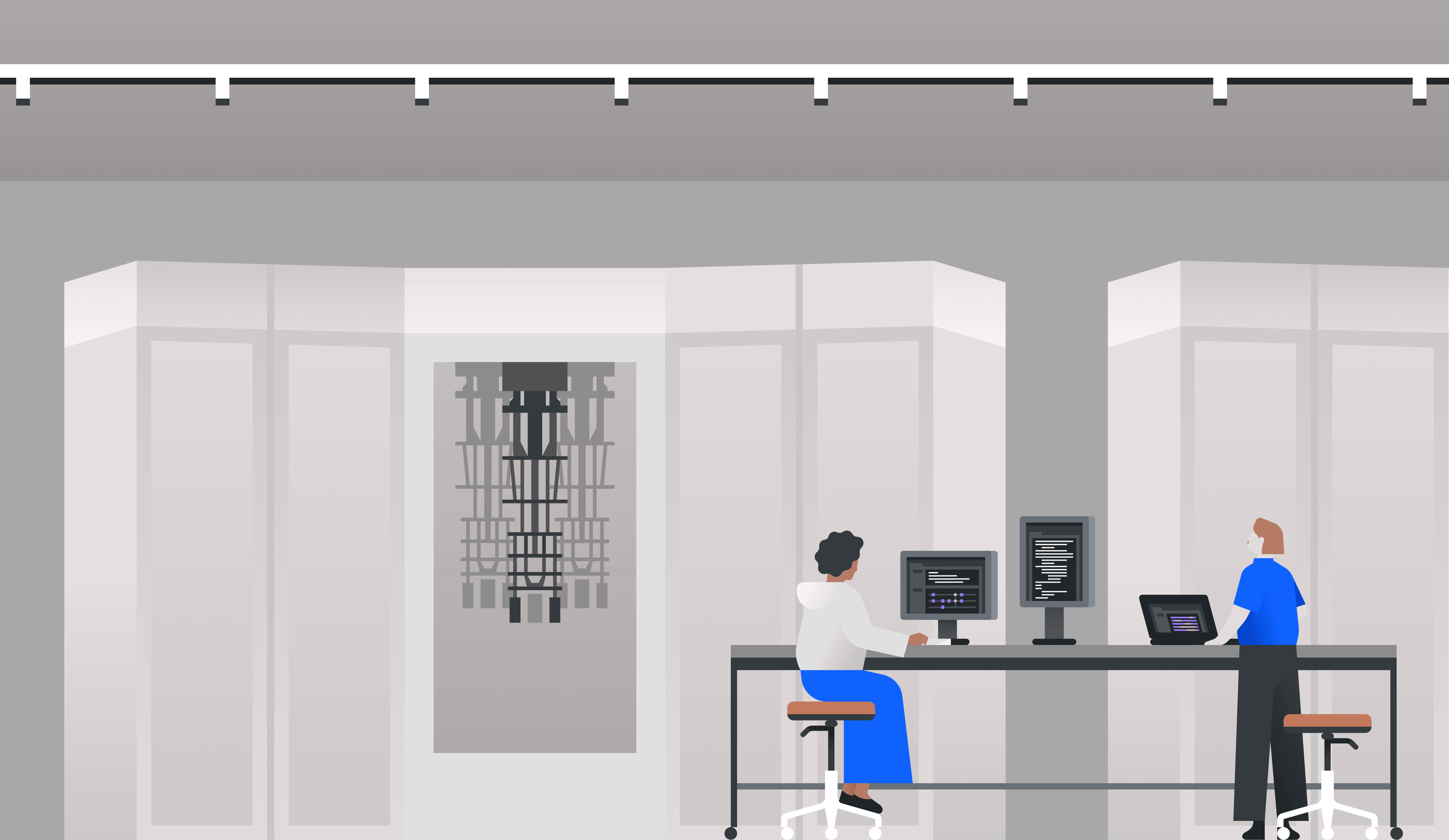
IBM Quantum supports award-winning projects in Japan's NEDO quantum challenge.
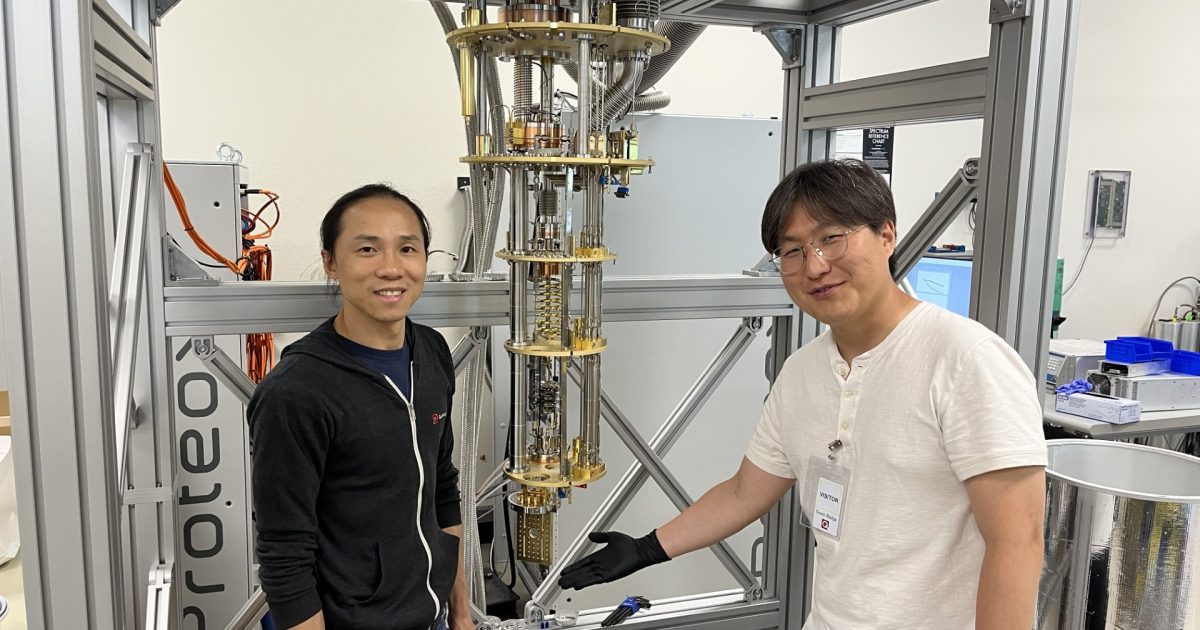
Quantum Design provides a UCLA lab access to a ProteoxS dilution refrigerator for quantum research.
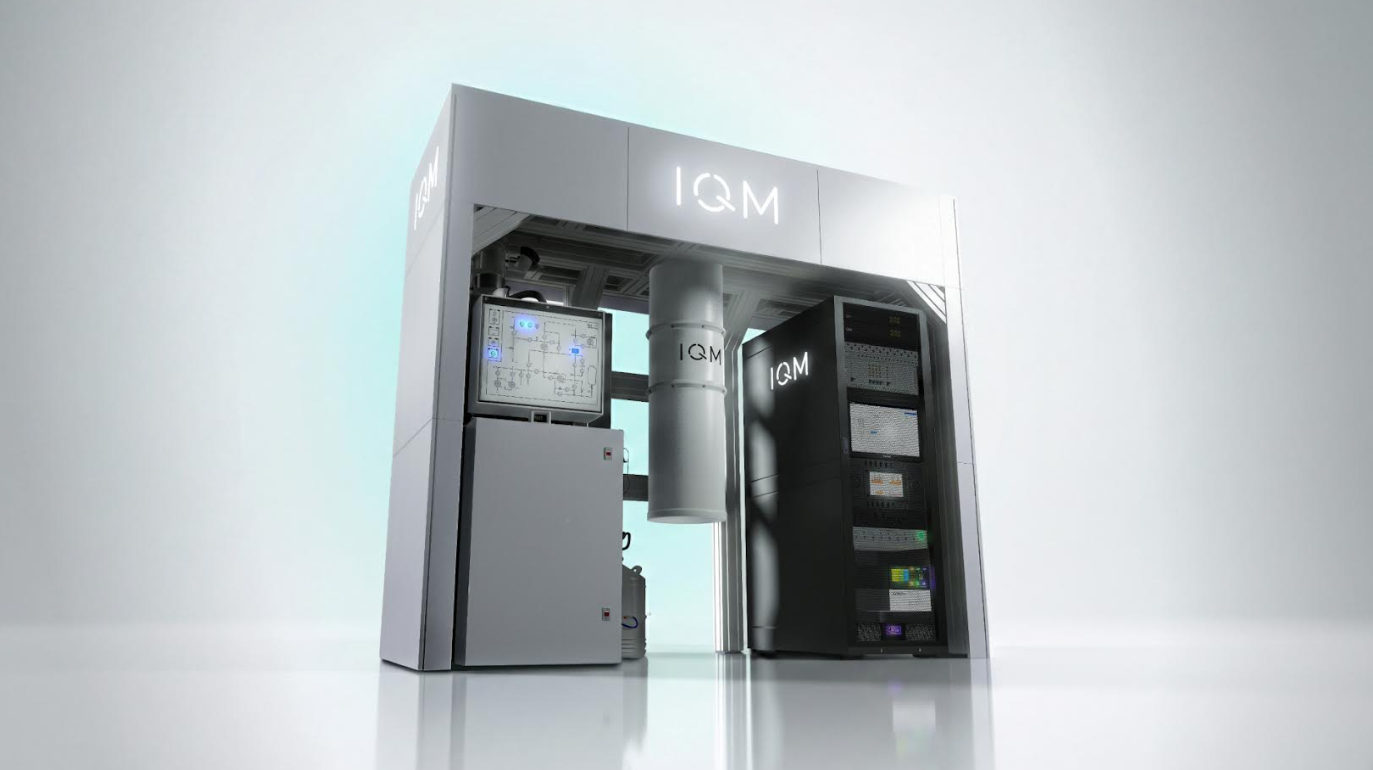
Telefónica and IQM plan to install an IQM Spark quantum computer at the Technical University of Madrid before end-2026.

Rigetti Computing shares are falling, with Trefis offering no specific cause in the provided summary.
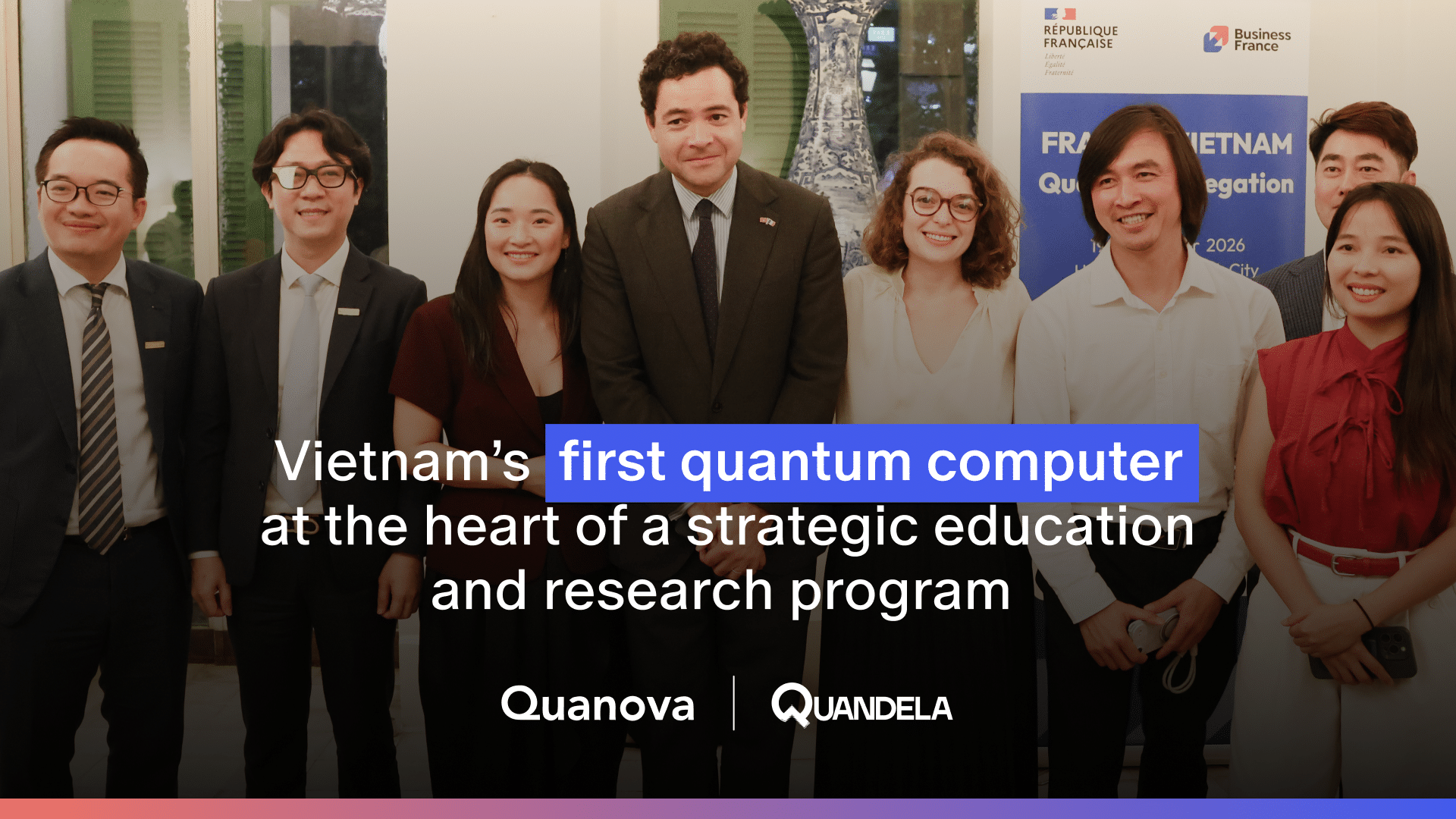
Quandela and Quanova partner to deploy Vietnam's first quantum computer, Quandela's MosaiQ photonic system, at Quang Trung University.
Google Quantum AI launches a $150K Kaggle competition to compress fault-tolerant quantum circuits using AI agents.

Nvidia takes a strategic stake in Riverlane to accelerate real-time quantum error correction and GPU decoder calibration.
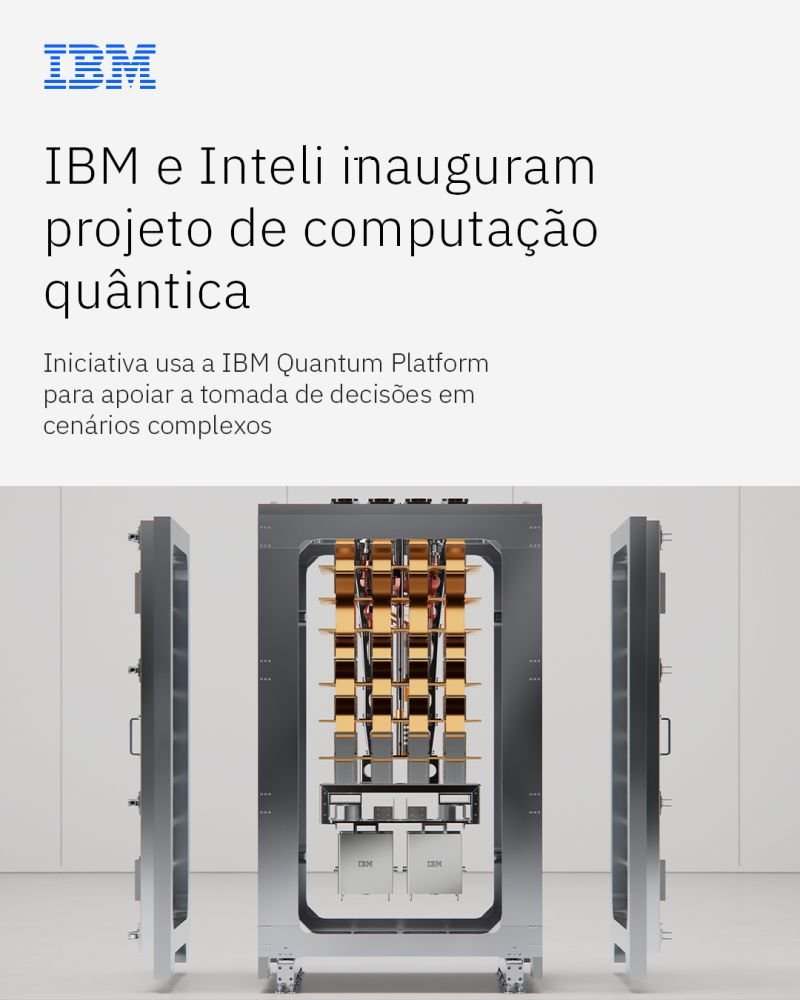
Brazil's Inteli partners with IBM Quantum to research decision-making under uncertainty.

Quantinuum and Oracle open an early-access beta of quantum AI compute on OCI, giving users access to the Helios system.
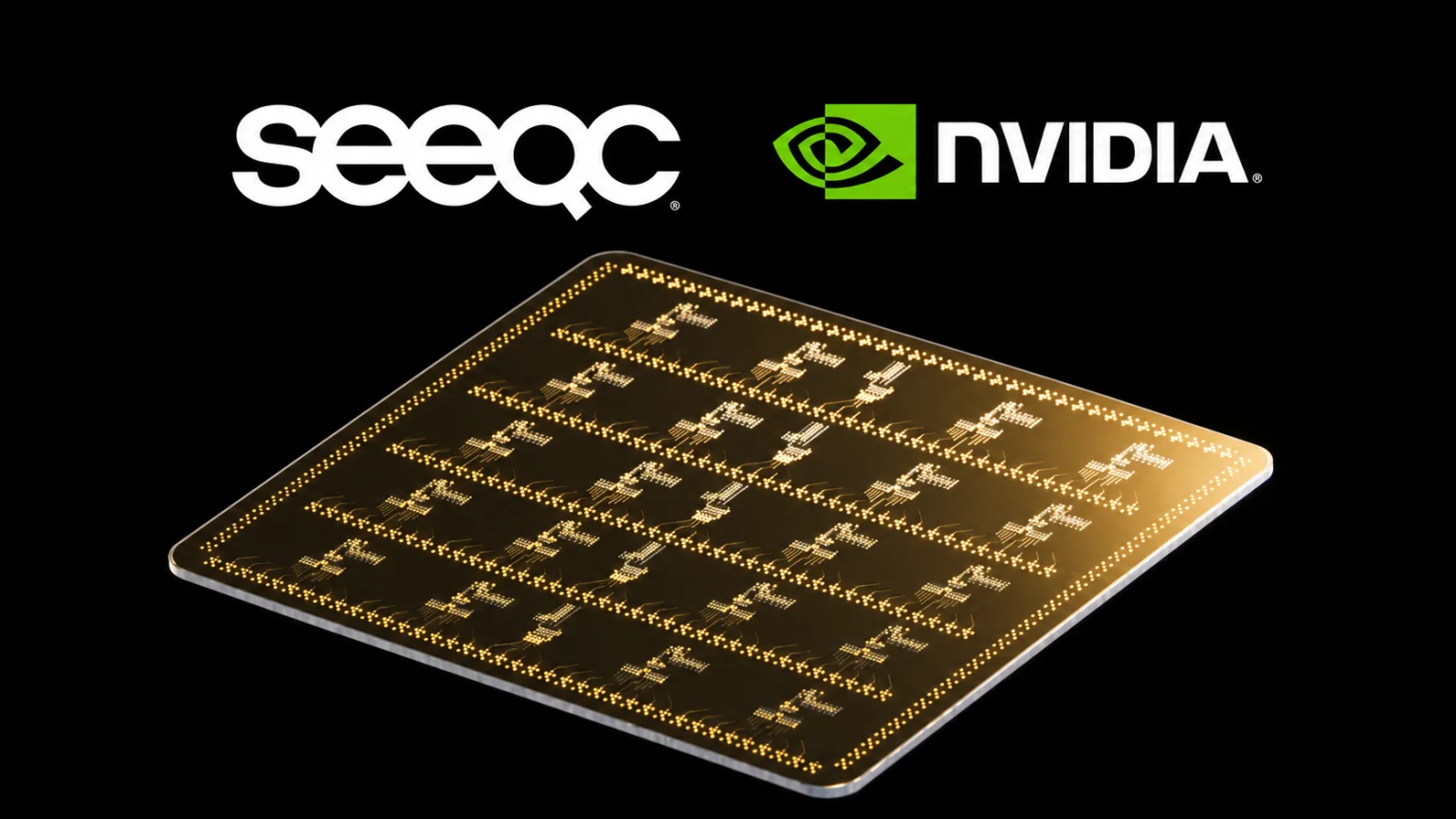
SEEQC and Nvidia demonstrate a digital pre-decoder that cuts quantum error correction latency and error rate by 50%.
Nvidia unveils a quantum simulation capability that it says could aid drug development, per TechRadar's coverage of the announcement.
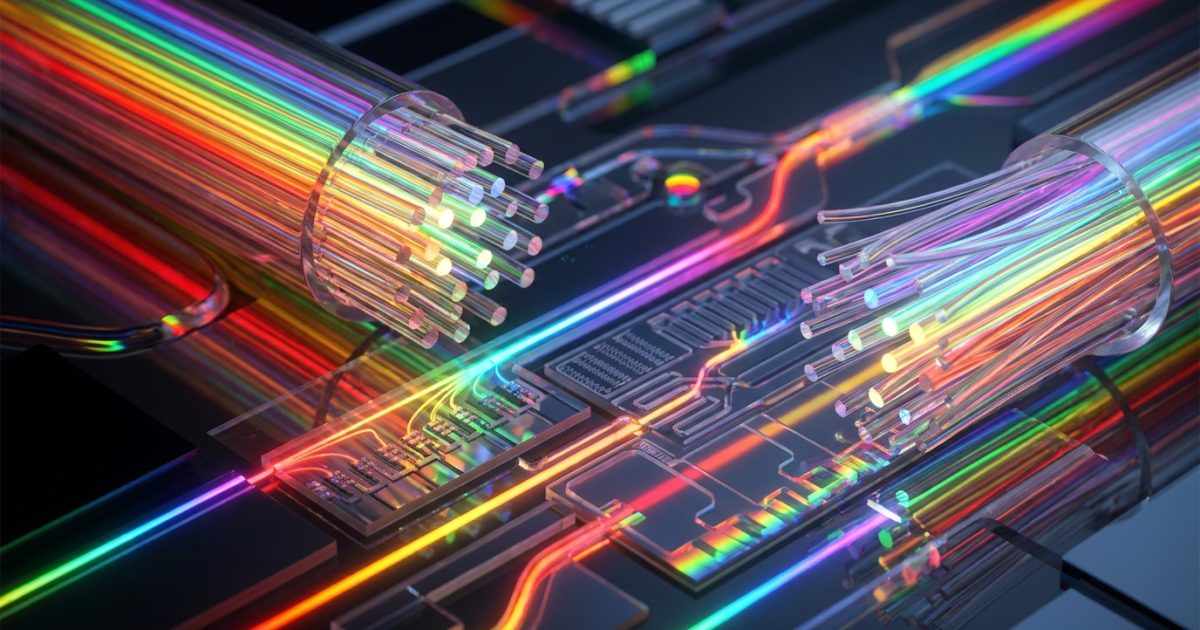
SEEQC demonstrates a digital link that speeds up quantum error correction.

Quantinuum and Oracle partner on hybrid quantum-AI computing, giving Oracle early access to Quantinuum's Helios system.

Qblox integrates Nvidia DGX Spark with its quantum system controller via NVQLink, reporting sub-7.2 µs round-trip latency for hybrid control.

Qblox integrates Nvidia DGX Spark with its control stack via NVQLink for hybrid quantum-classical computing.

Quantum X Labs reports QEC decoder gains on Nvidia CUDA-Q and validation of LayerQake on IBM Quantum processors.

Quantum X Labs reports milestones using an Nvidia CUDA-Q decoder on IBM Quantum hardware, per a Gix Internet press release.
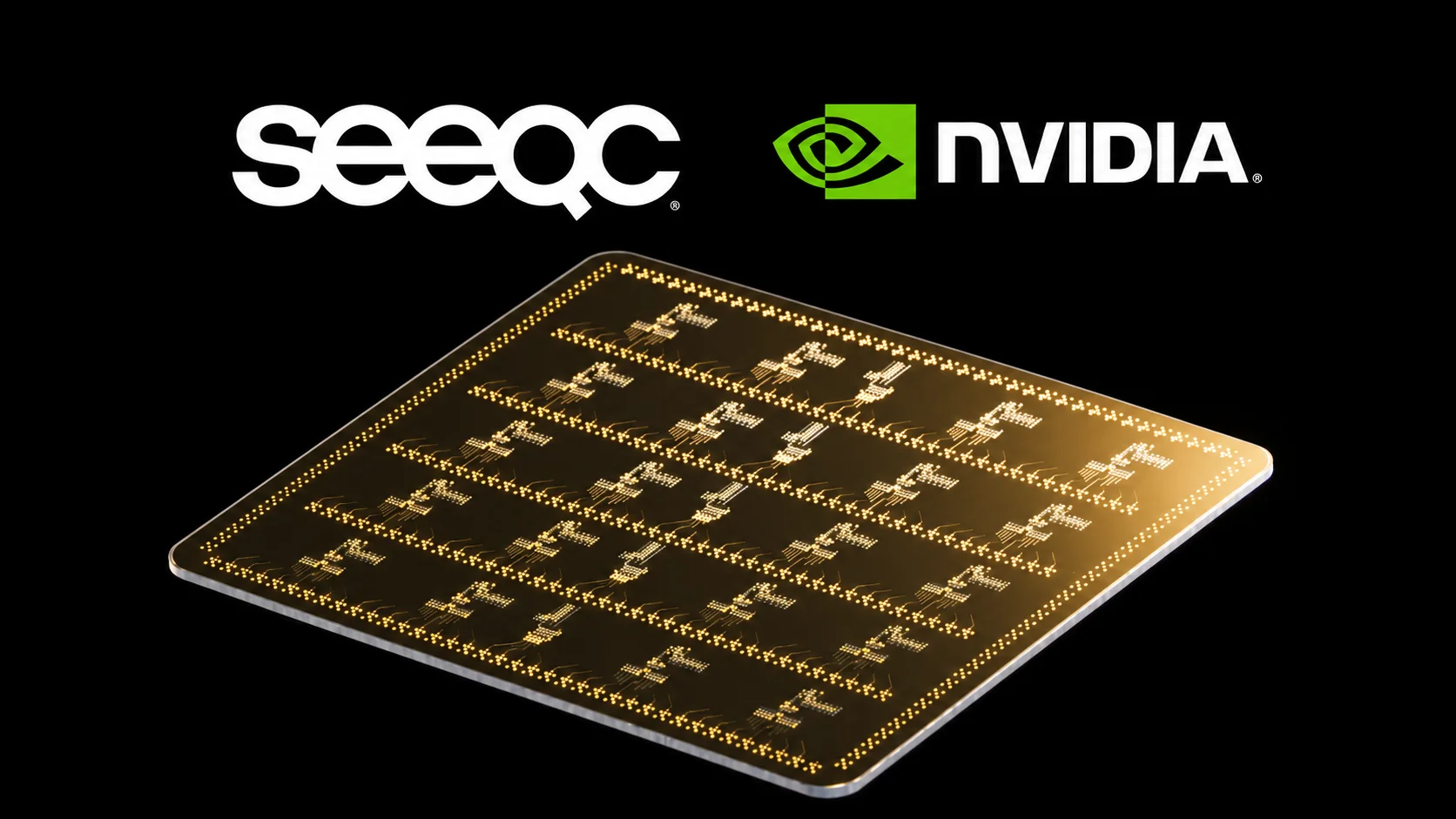
SEEQC simulation results show its chip-based pre-decoder paired with Nvidia Ising cuts quantum error-correction decoding time and logical error rates by about 50% versus Ising alone.
D-Wave Quantum has a financed system in Como, a Minnesota foundry extension, and faces a sector-wide stock pullback, per Ad Hoc News.
Alice & Bob demonstrates a non-Clifford gate on cat qubits, completing a fault-tolerant gate set on chip.

D-Wave Quantum plans a Florida headquarters and a $20M purchase of a system for Florida Atlantic University.

Institute of Physics Zagreb researchers experimentally demonstrate discrete 1D solitons in an optically induced lattice in warm rubidium vapor.
Nvidia's Ising decoding reduces quantum error correction time on AWS, per a Quantum Zeitgeist report.

D-Wave Quantum takes a $20M order from Florida Atlantic University, alongside a new Florida campus, with revenue questions raised.

A quantum error-correction decoder validated by Google performs worse than expected at target error rates, per Tech Times.

A new mapping method for quantum error-correcting codes shows how errors are corrected, per Quantum Zeitgeist coverage.
D-Wave Quantum's stock lags a reported 99.9% physics result, per AD HOC NEWS coverage of the share price gap.

Pasqal launches a neutral-atom agentic toolkit and shows QPU workflows applied across 258 quantum physics papers.

Quantinuum CEO Rajeeb Hazra predicts quantum computing becomes a practical reality by 2029.
Alice & Bob reports Phase 1 results from France's PROQCIMA quantum computing program.
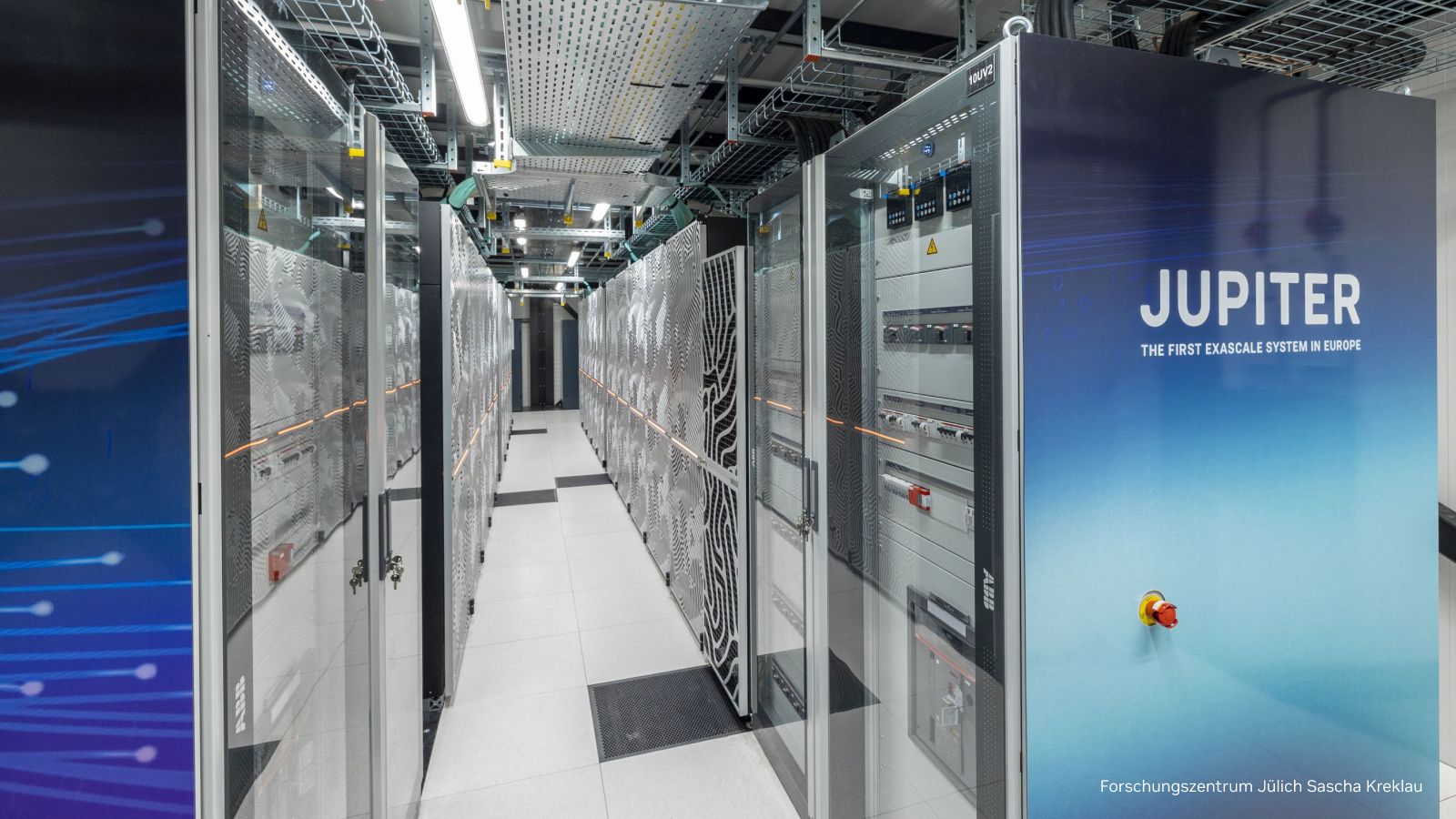
Nvidia simulates a 104-qubit fault-tolerant quantum computer on the JUPITER supercomputer, in simulation rather than on hardware.

Nvidia accounts for an estimated 10-15% of European startup investment in 2026, increasing its stake in the region's AI companies.
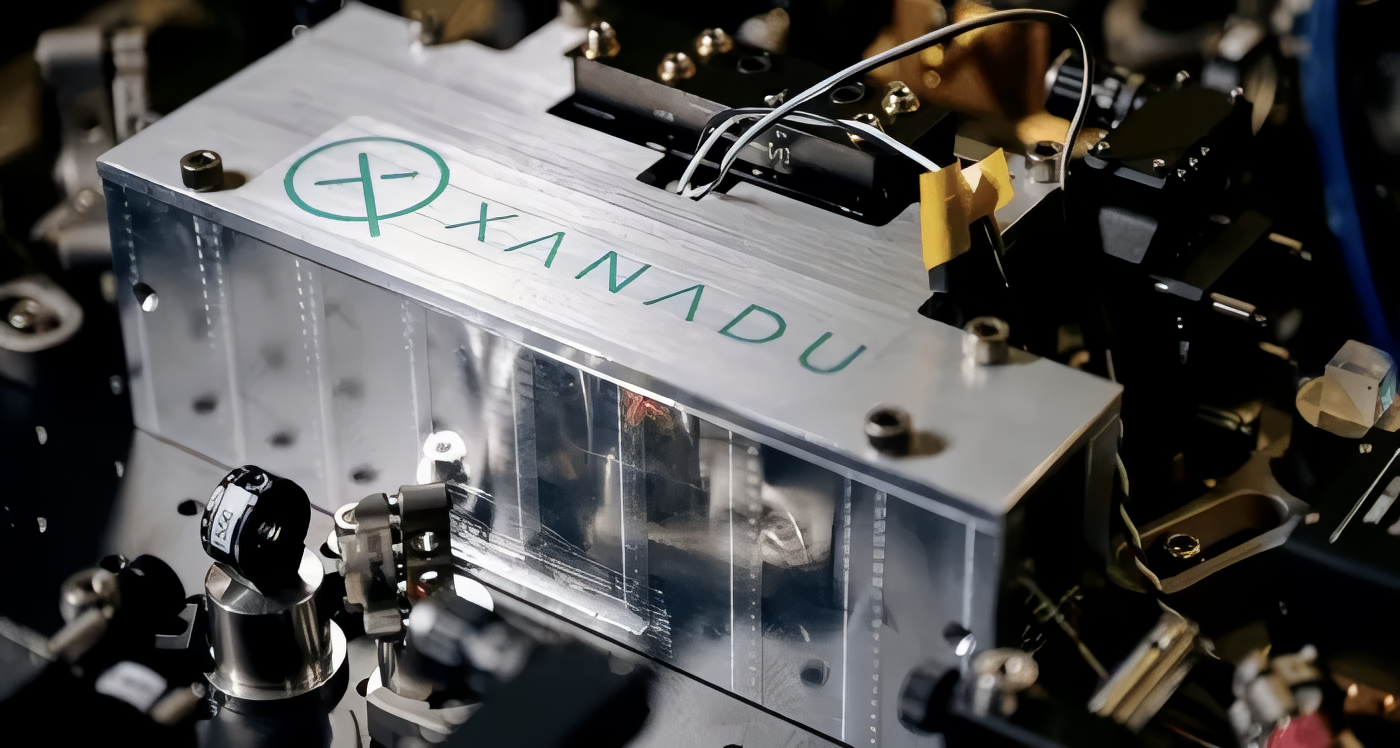
Xanadu secures a $10M DARPA renewal as six rival quantum hardware teams enter a final test phase.

Quantinuum reports 99.9995% logical fidelity, claiming a 100-fold improvement over Google's best reported result.
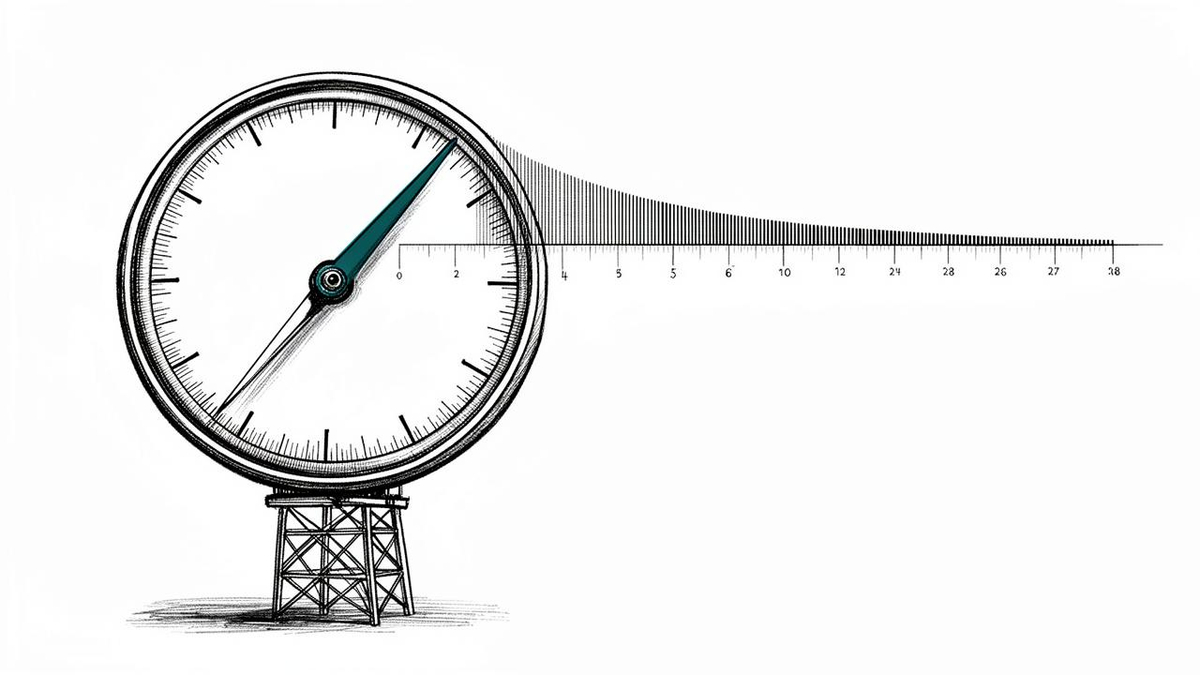
Quantinuum reports quantum error correction fidelity of 99.9995%, or 5 errors per million operations.

Quantinuum shares sold off; a commentary asks whether a technical breakthrough makes the drop a buying opportunity.

Xanadu receives provisional approval for up to $10M in DARPA Quantum Benchmarking Initiative funding over a one-year extension.

Alice & Bob tests three cat-qubit chips in France, per Quantum Zeitgeist.

A monolithic ion trap design aims to make trapped-ion quantum simulation accessible to more research groups.

Physicists prove a quantum speed limit on how fast systems reach thermal equilibrium, a theoretical result from quantum thermodynamics.

Researchers demonstrate a hybrid GaP-on-diamond photonic chip that controls photon interactions with quantum emitters for long-distance quantum networks.

A magic state cleanup protocol cuts errors 40-fold in the first successful hardware test, per Phys.org.

Researchers present a high-frequency readout method for 2D material qubits aimed at faster quantum device testing.

Researchers achieve strong coupling between light and long-lived acoustic vibrations in an optical fiber, published in Nature Physics, for quantum signal processing.

CIC nanoGUNE and University of Santiago de Compostela show that adding or removing one molecule from a quantum chain changes its coupling to a superconductor.
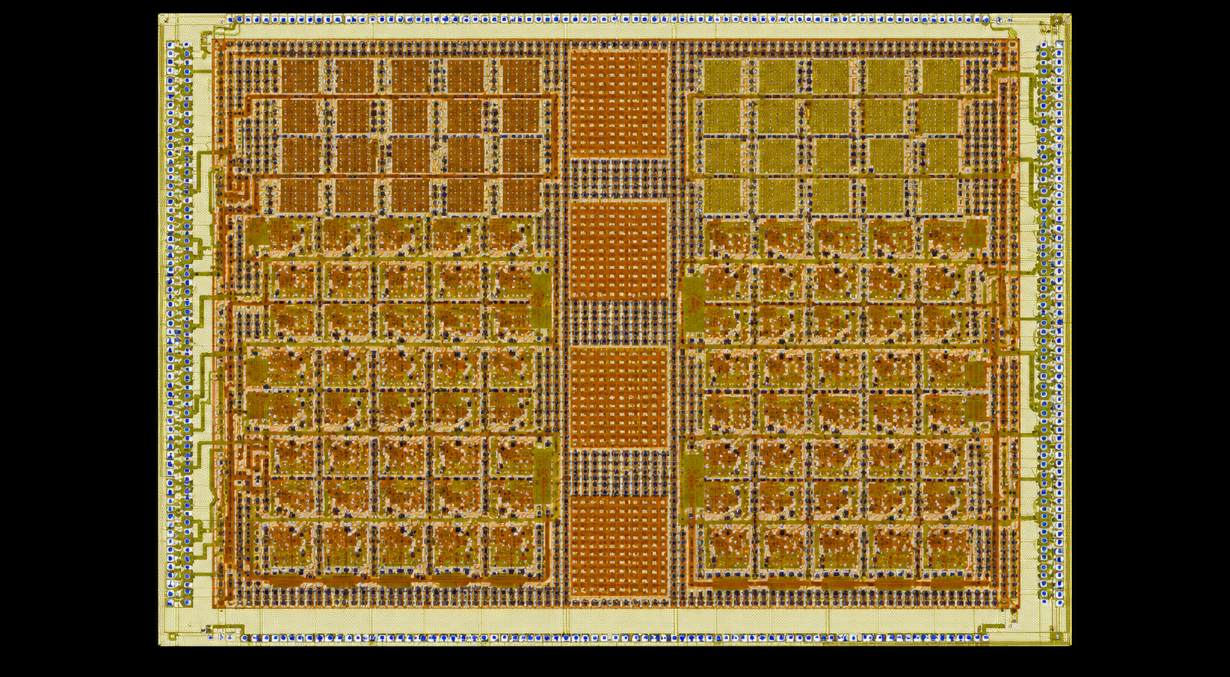
Anderon releases its first superconducting quantum PDK, offering early access under a license for its 300mm wafer platform.

Terra Quantum joins the QuEra Quantum Alliance to connect its TQ42 quantum software with QuEra's neutral-atom hardware.

Silicon spin qubits reach over 99.99% gate fidelity while three qubits operate in parallel.
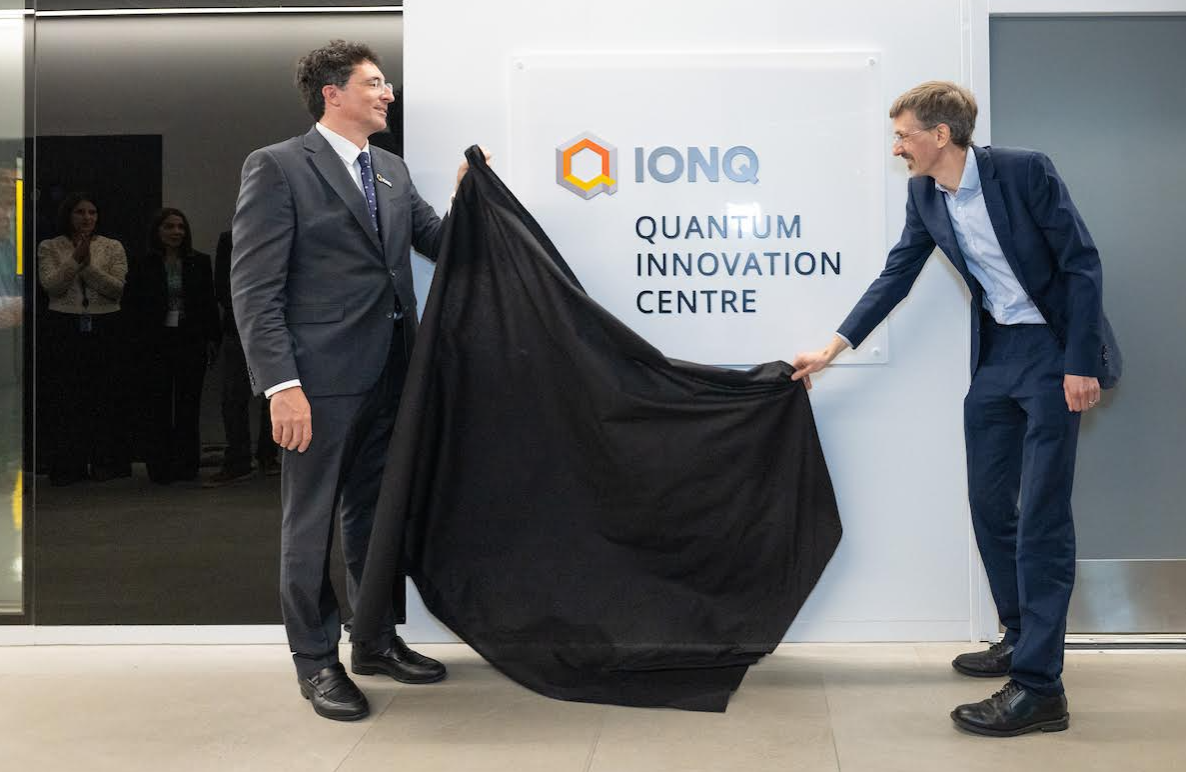
IonQ and the University of Cambridge open the IonQ Quantum Innovation Centre at the Ray Dolby Centre, with nine research projects and a planned 256-qubit Superion system.

Riverlane and NVIDIA report cutting quantum decoder training from three minutes on one CPU core to 2.8 seconds on an H100 GPU.

IonQ prices a $2.0B equity offering at $40 per share, purchased by an entity managed by Heights Capital Management.

Qilimanjaro closes a €19.6M Series A backed by Indra and Spain's public fund.

Classiq and FreeYa Mind Campus sign a commercial agreement to provide Classiq's quantum software at the Iași Quantum AI center, with Classiq opening its Romania regional headquarters there.

A new "carpet" growth method yields a 2D topological insulator, a long-sought material whose edges conduct electrons with minimal scattering.

PPPL researcher's faster molecular simulation method identifies promising diamond defect materials for quantum computers and sensors, published in ACS Central Science.

A review traces a century of spin control via shaped electromagnetic pulses, the basis of MRI and NMR, and how optimal control theory can improve them.
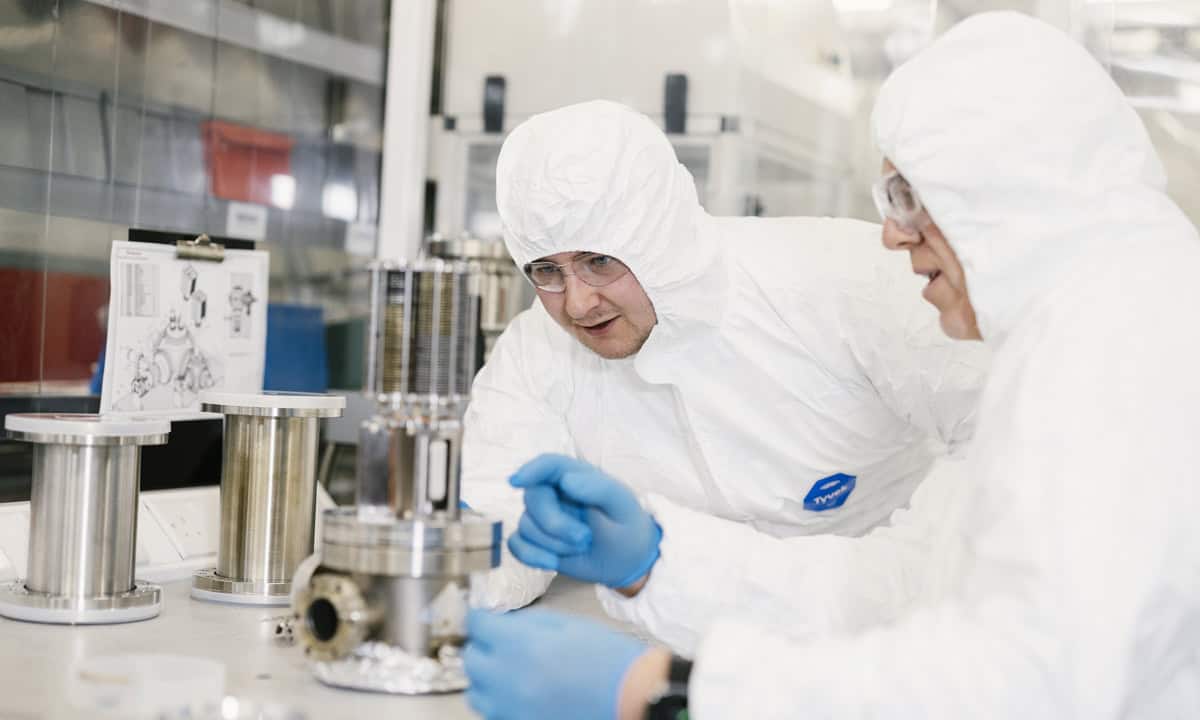
Physics World explains how vacuum and cryogenic systems mitigate qubit decoherence across superconducting, trapped-ion, neutral-atom and photonic modalities.

UK government commits £78M to quantum sensing, navigation and communication firms, including a £50M UKRI competition for projects like railway fault monitoring.

Infleqtion receives £9M from Innovate UK to develop a Rydberg-atom quantum RF direction-finding system with Leonardo.
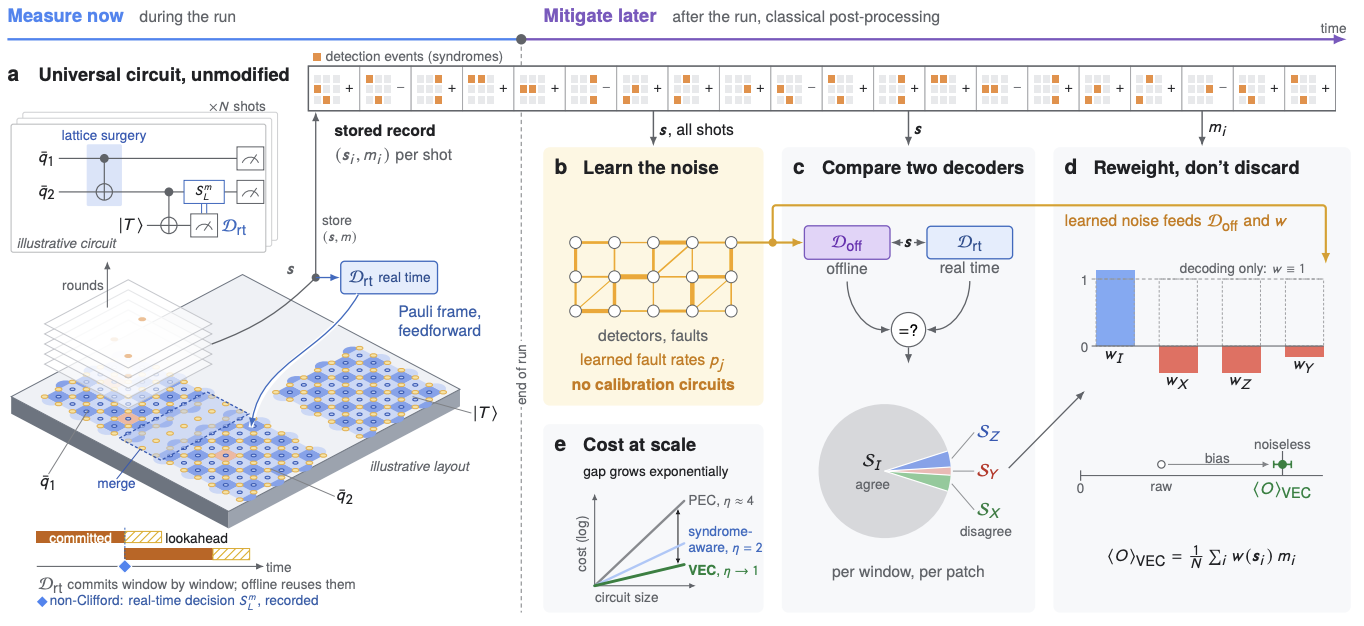
Google Quantum AI proposes virtual error cancellation, cutting residual quantum computation error over 1,000-fold in simulations using saved error-correction records (arXiv preprint).

Quantum XChange CEO Eddy Zervigon will moderate a post-quantum cryptography implementation panel at the ACT-IAC 2026 Cyber Summit on October 14.
D-Wave and SkyWater Technology sign a multi-year agreement extending a decade-plus manufacturing partnership for superconducting quantum processors.
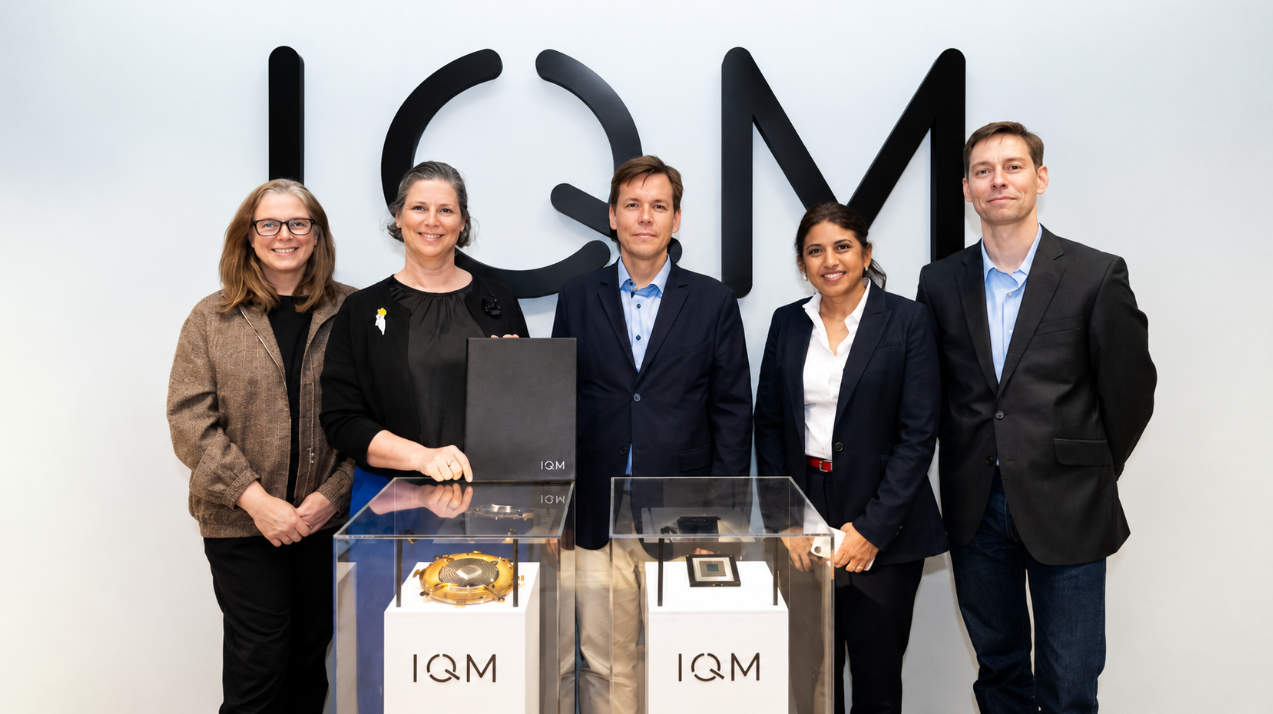
IQM and Swinburne University of Technology partner on quantum research, education, and workforce training across Australia, Europe, and the Indo-Pacific.

WISeSat.Space plans to use SEALSQ's QS7001 and QVault post-quantum chips in a satellite security architecture targeting a 100-satellite constellation by 2033.

IonQ To Buy Elisity In $1.3 Billion Deal Amid Quantum Acquisition Spree

Stanford researchers report quantized energy jumps in phonons, using thin-film lithium niobate coupled to superconducting qubits.

Rutgers and IBM researchers show a quantum computer can monitor and reset parts of itself mid-run to suppress chaotic behavior.
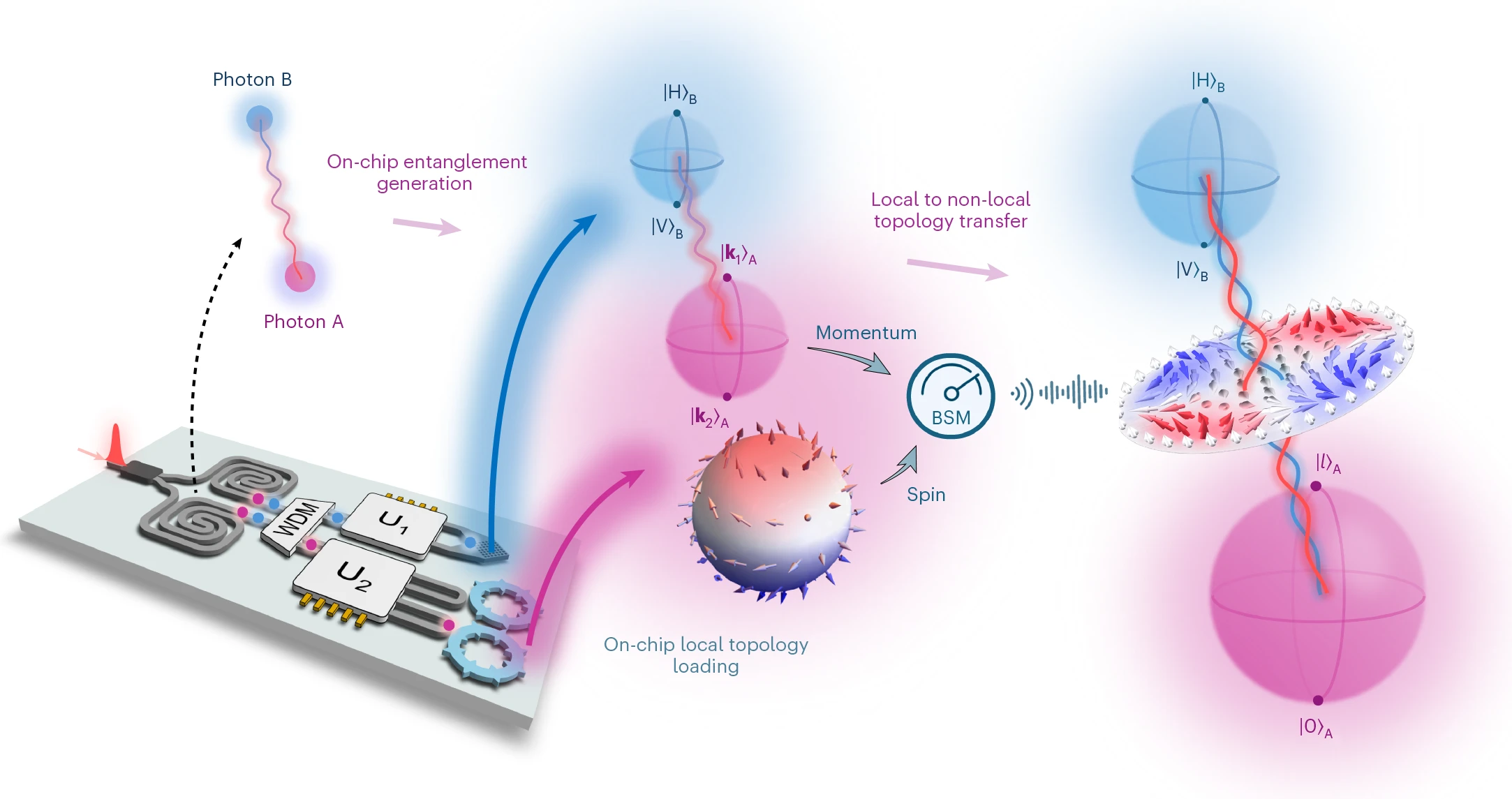
Penn researchers in Nature Physics show a photonic chip can transfer a quantum skyrmion winding pattern that survives noise after entanglement is lost.

IonQ agrees to acquire cybersecurity firm Elisity in an all-stock deal worth up to $1.3B, including up to $150M in earn-outs.
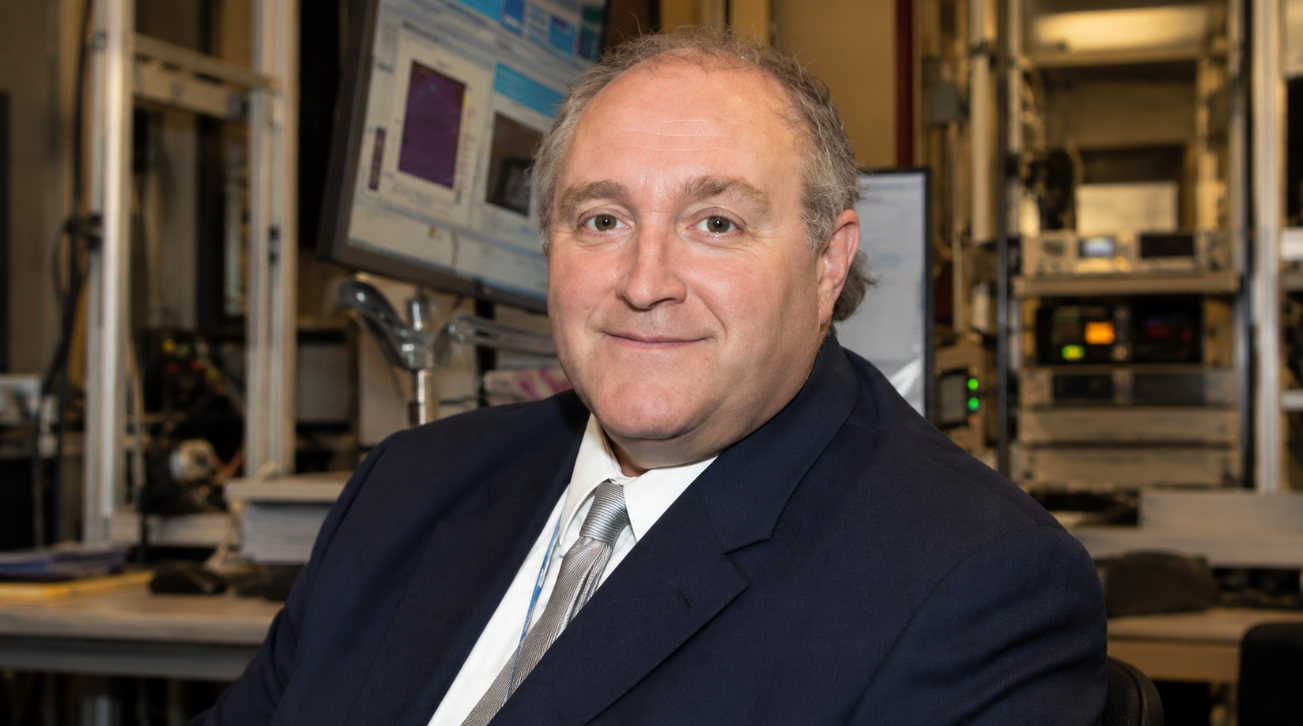
Rensselaer Polytechnic Institute names Brookhaven's James Misewich as Curtis R. Priem Quantum Computing Constellation Chair, effective January 1, 2027.

Proposed hybrid quantum computing approach aims to simulate how matter particles interact with light and force-carrying particles.

Oxford physicists use a hybrid qubit-oscillator quantum computer to observe the Aharonov-Bohm effect in a simulation, published in Nature Physics.

Ultraviolet laser pulses selectively engineer diamond defects while leaving neighbouring quantum qubits intact, per a Phys.org research report.

University of Oxford physicists use a hybrid qubit-oscillator quantum computer to observe the Aharonov–Bohm effect in a quantum simulation.
E.ON's chief quantum scientist describes a five-person quantum team hunting grid optimization use cases, including peer-to-peer energy trading.

Quantum X Labs expands its IP and R&D into neutral-atom hardware, Rydberg sensing, and circuit security.
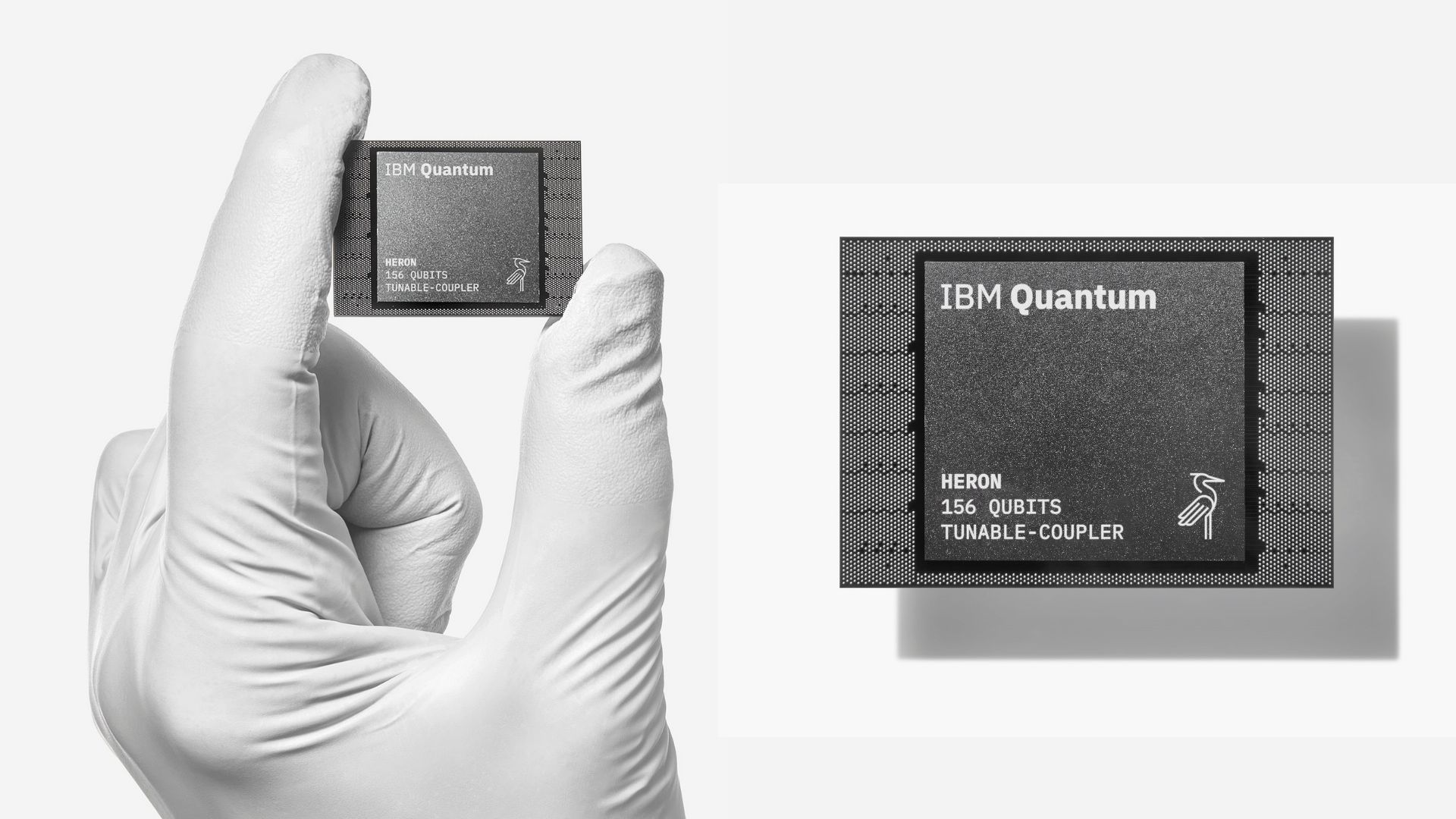
IBM's 100-qubit chip runs 5,000 operations toward self-correcting quantum computation.

A quantum chip stores multiple photons at once, a step toward scalable on-chip quantum memory.
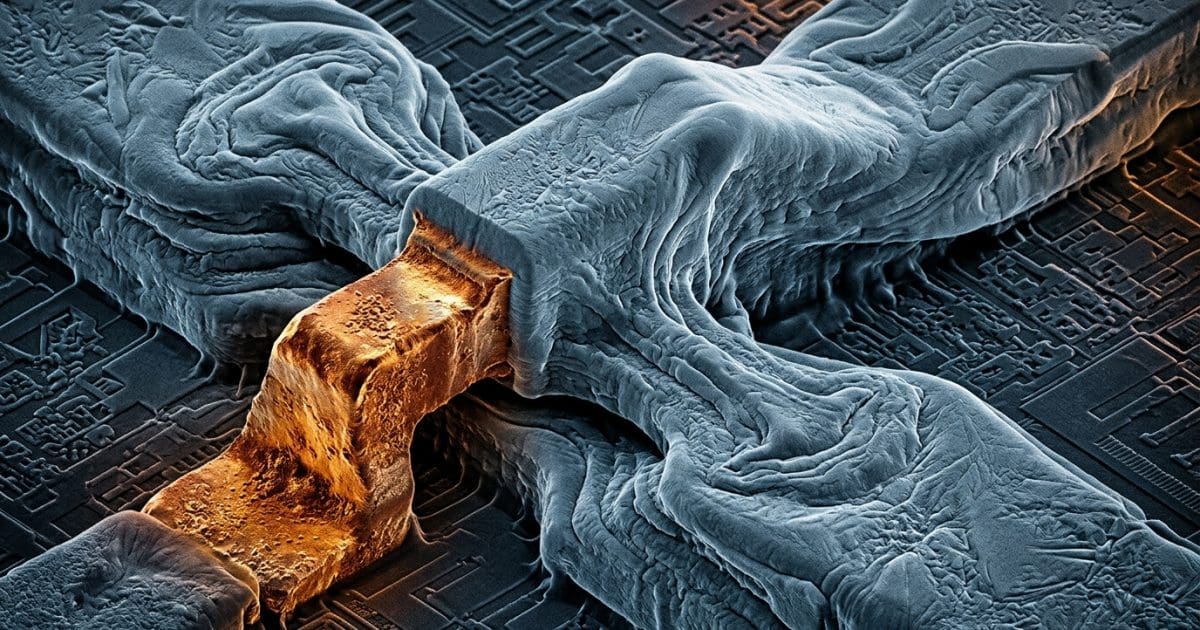
A new quantum gate architecture built on entanglement and teleportation is proposed, per Quantum Zeitgeist coverage.

A SAXON Q guest post argues a three-qubit Grover's search on a room-temperature NV-center diamond processor signals a shift away from vacuum-dependent quantum hardware.

Researchers from Glasgow, Tokyo, Sheffield and Kobe optically read electron spins trapped in a porous metal-organic framework, a step toward quantum chemical sensors.

PsiQuantum's Construct is discussed as a possible route to faster quantum development, with no concrete event reported.

IonQ reports over 1,000 entanglement events per second between a trapped-ion qubit and a silicon-vacancy solid-state memory via photonic interconnect.
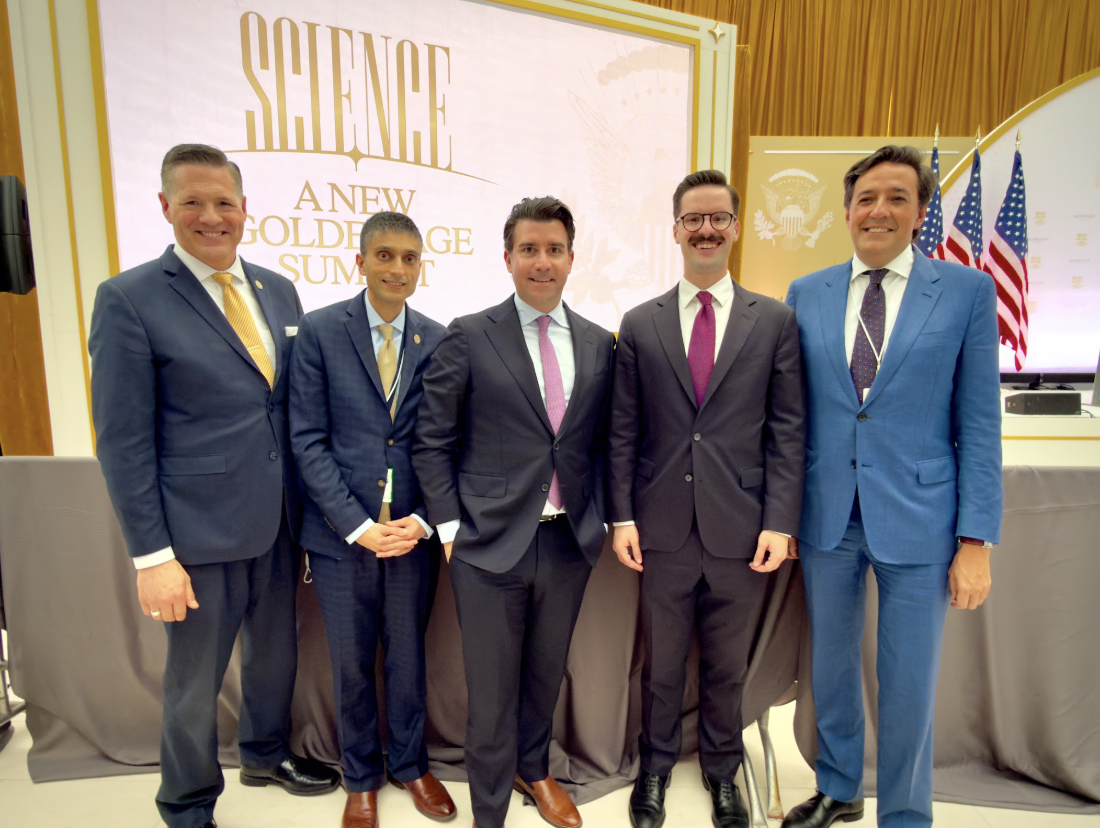
NSF names founding partners for its $1.5B X-Labs Consortium, including Astera Institute, Ginkgo Bioworks, and the Florida Quantum Center, with quantum systems among first topics.

A layered semiconductor enables magnetic control of light emitted by exciton-polariton condensates, a quantum-condensate platform that could run at higher temperatures.

The U.S. DOE releases eight Quantum Genesis Priority Applications to guide development of fault-tolerant quantum computers for science.

NTT DOCOMO BUSINESS and Classiq sign an MoU to sell Classiq's quantum software platform and build enterprise use cases in Japan.
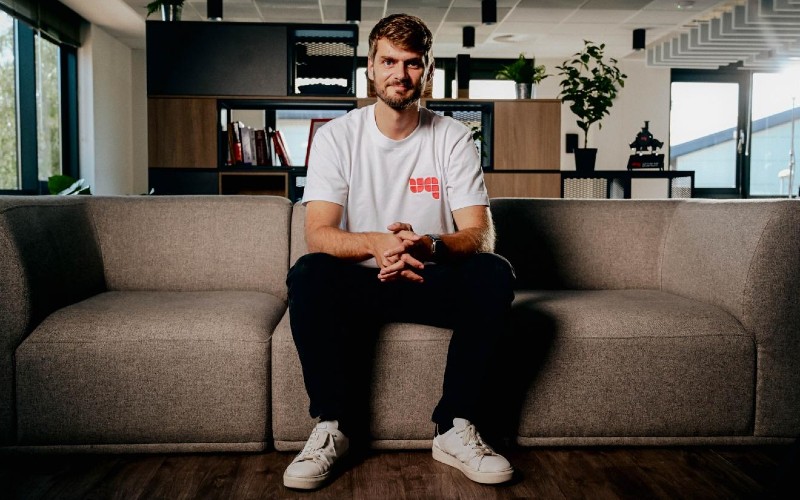
Universal Quantum raises more than £75M to scale its quantum computing business globally.
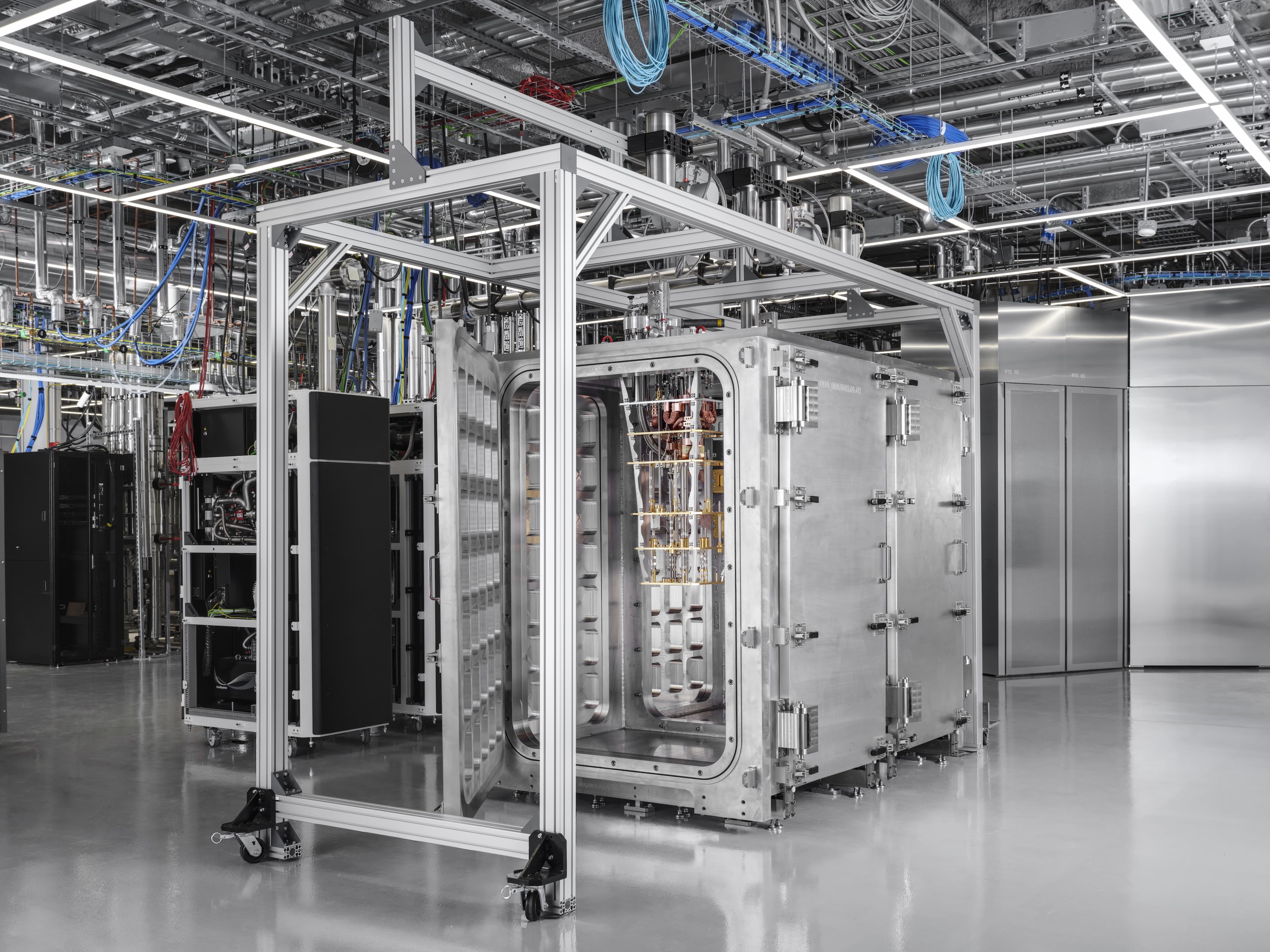
IBM Quantum advances to Stage C of DARPA's Quantum Benchmarking Initiative, with independent experts set to validate its path to a fault-tolerant system by 2029.