AMD (AMD) is a publicly traded AI Accelerators company founded in 1969 and based in Santa Clara, USA.
| Date | Stage | Amount | Valuation | Lead investors |
|---|---|---|---|---|
| Sep 27, 1972 | IPO | $7.5M | — | — |

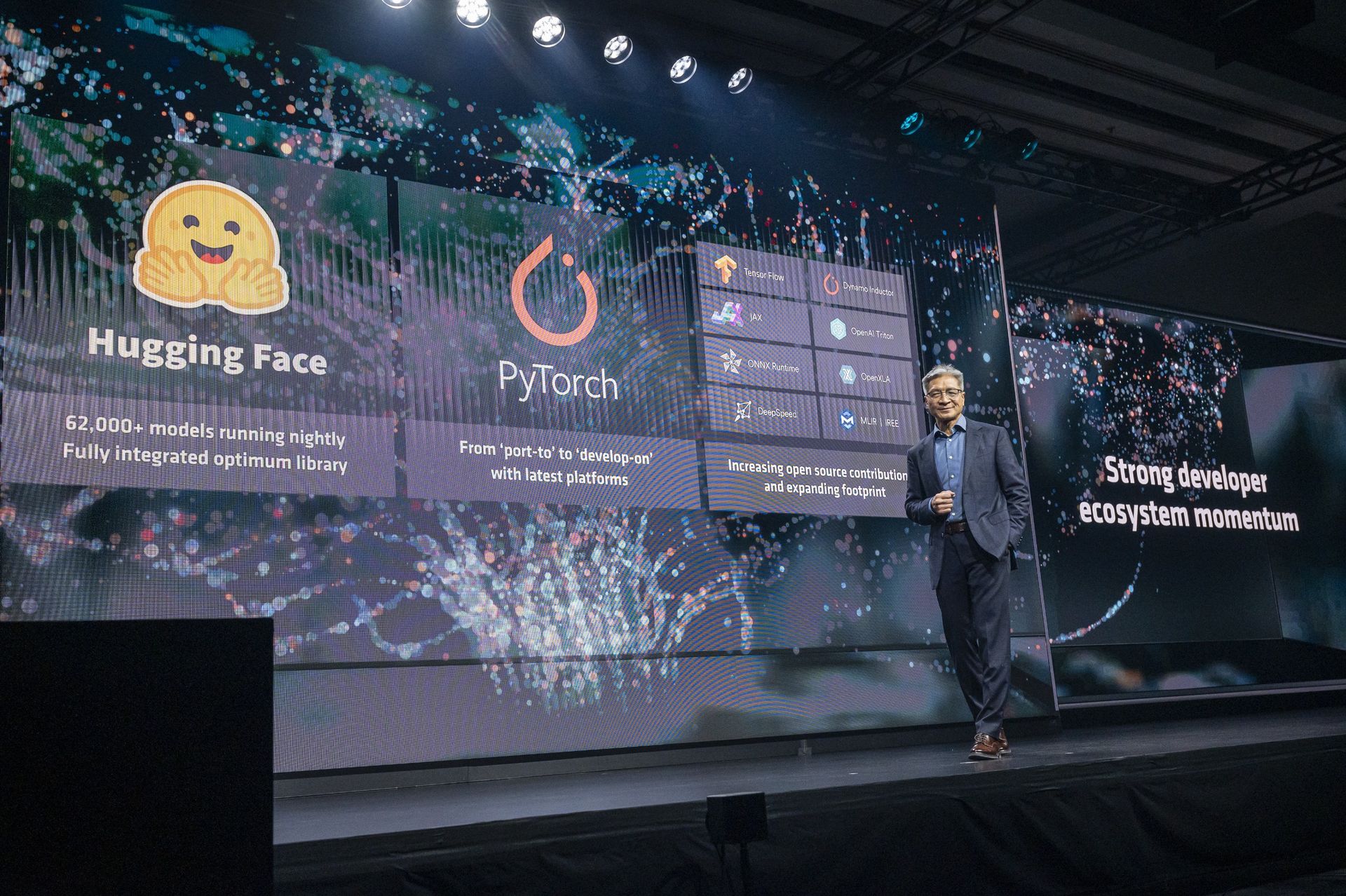
AMD and Intel merge their CPU AI-inference optimizations for PyTorch, folding AMD's ZenDNN into the open-source oneDNN library.

AMD extends FSR 4.1 upscaling to Radeon RX 6000 GPUs, Xbox Series X and S, and Ryzen AI Max, AI 9 and Z2 chips.

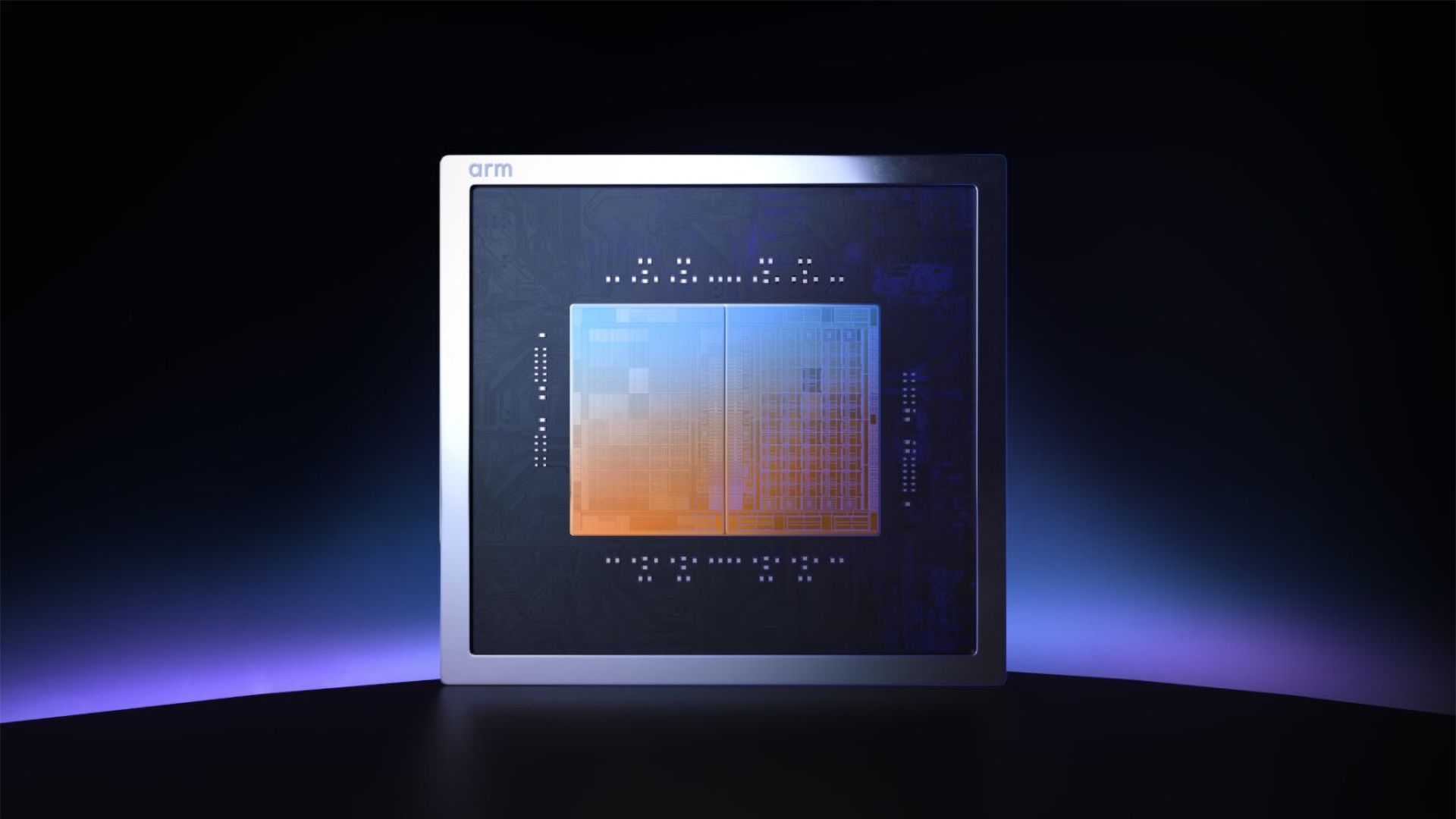
Arm claims its AGI CPU delivers about 2x performance per rack versus AMD EPYC 9755 in a modeled, Arm-commissioned Signal65 analysis using Arm's own methodology.

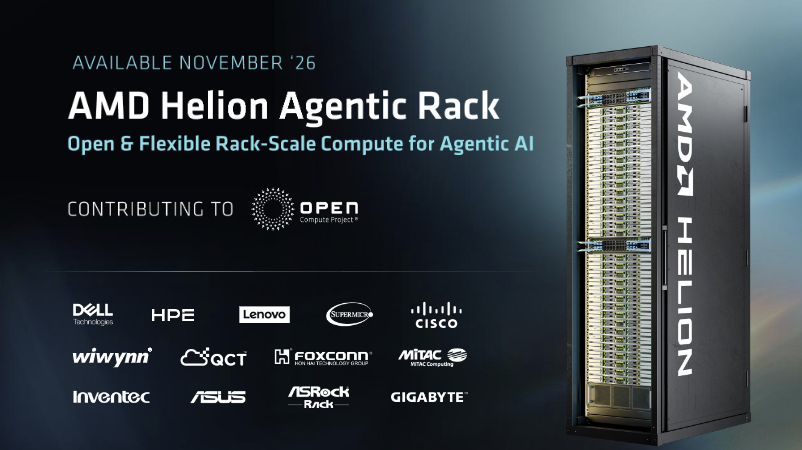
AMD unveils Helion, a standardized OCP ORv4 rack reference design holding up to 32,768 Zen 6 cores, shipping next year.

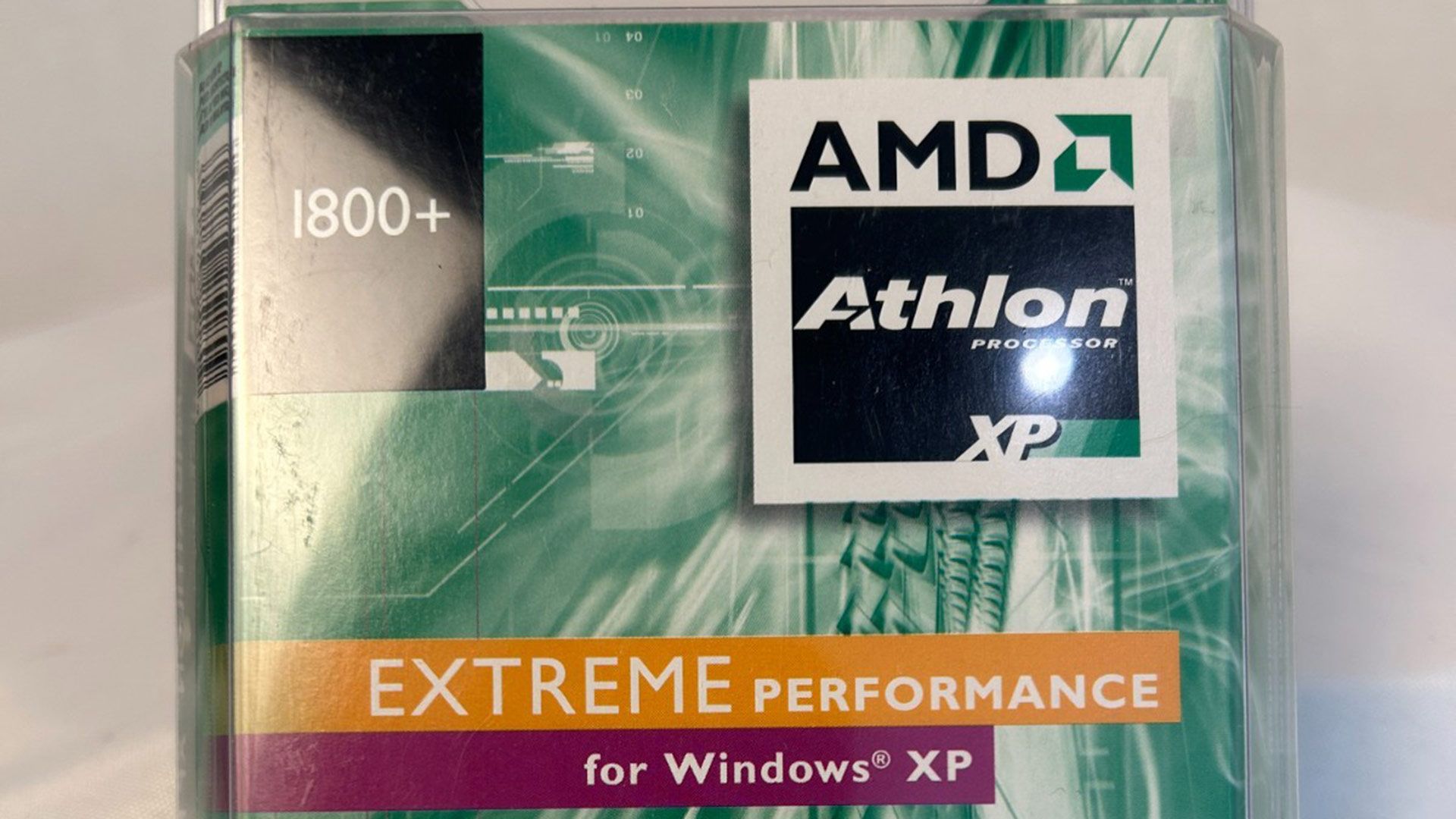
A retrospective on AMD's 2001 Athlon XP Performance Rating naming scheme, which positioned lower-clocked chips against Intel's Pentium 4.

AMD's upcoming EPYC Verano AI host CPU reportedly uses a new SB1 socket, per a Dynatron cooler listing; AMD has not confirmed specs.
Data-center AI accelerators built on the CDNA architecture and targeting Nvidia's H100/H200 in training and inference. The MI300X pairs CDNA 3 compute with up to 192GB of HBM3 memory in a chiplet package; the MI325X and 2025-era MI350 series extend memory capacity and bandwidth. Adopted by Microsoft Azure, Meta, and Oracle, the line is AMD's primary entry in the hyperscale AI-compute market and anchors its ROCm software stack.
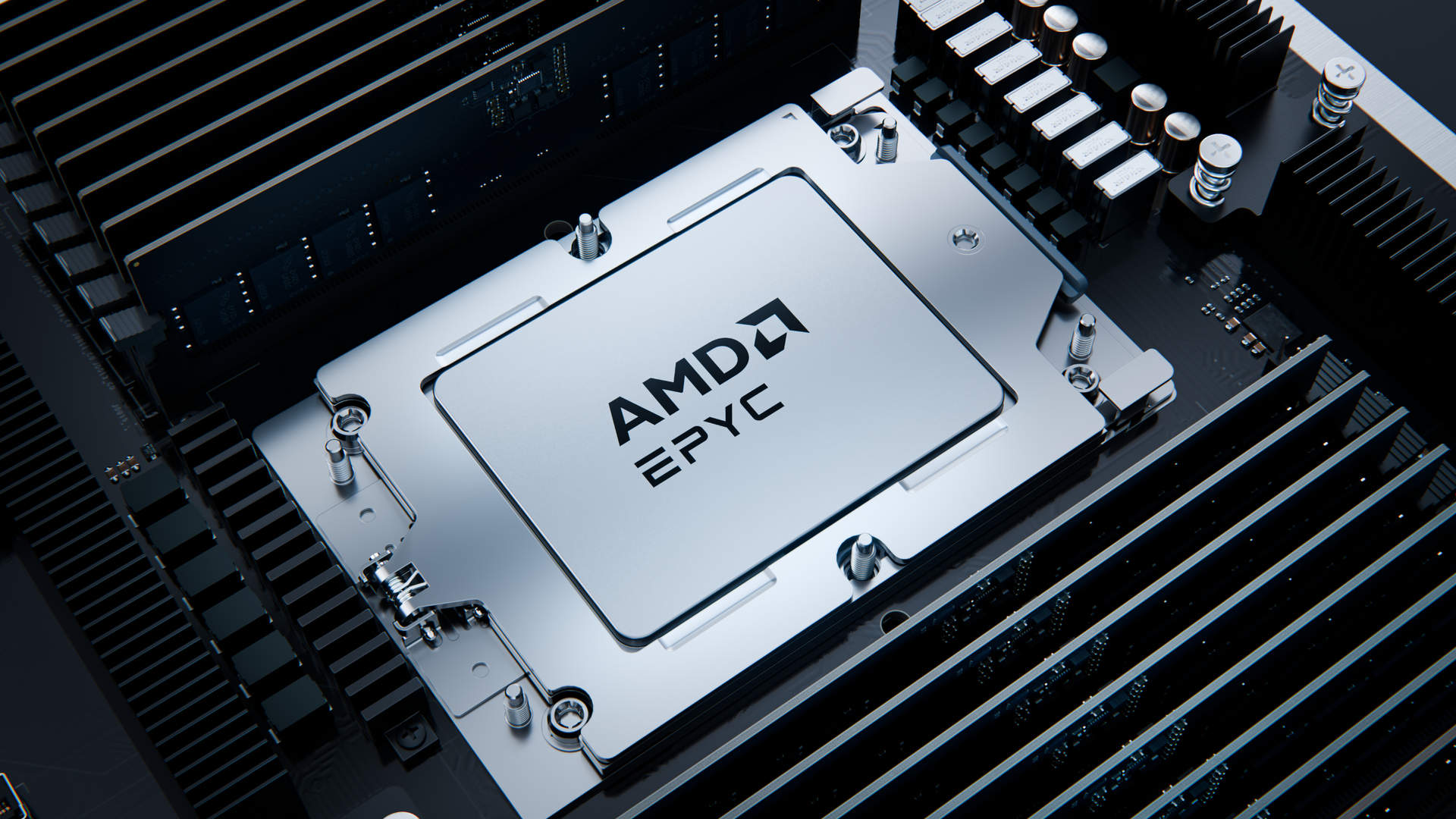
Data-center x86 CPUs ('Zen' architecture) that drove AMD's server-market-share gains against Intel Xeon. The latest 'Turin' generation scales to 192 cores per socket, delivering high core density, memory bandwidth, and energy efficiency for cloud, virtualization, and AI-host workloads. EPYC powers a large share of hyperscaler fleets and frequently serves as the head node feeding AMD Instinct and Nvidia GPU clusters.
Consumer and commercial CPUs and APUs for desktops and laptops, built on 'Zen' cores. The Ryzen AI mobile line integrates an XDNA neural processing unit (NPU) on-die for on-device generative-AI and Copilot+ PC workloads, alongside Radeon integrated graphics. Ryzen is AMD's flagship client-compute brand and a core driver of its PC-market position.
Adaptive system-on-chips combining FPGA programmable logic, Arm CPUs, and AI engines on a single device, originating from AMD's 2022 Xilinx acquisition. Versal targets edge AI, communications infrastructure, aerospace and defense, and automotive, where reconfigurable hardware and deterministic latency matter. It anchors AMD's adaptive-computing and embedded portfolio.