No longer trackedCurrent semiconductors roster →
Groq is no longer in the active top-40 roster for this sector — snapshot as of August 19, 2026. News and free pipes continue to update; predictions, hard problems, theses and other authored fields are frozen at the date above.

Groq
Groq is an AI Accelerators company founded in 2016 and based in Mountain View, United States. It has raised $2.0B in total funding, most recently a Series F in 2026 at a $3.5B valuation.
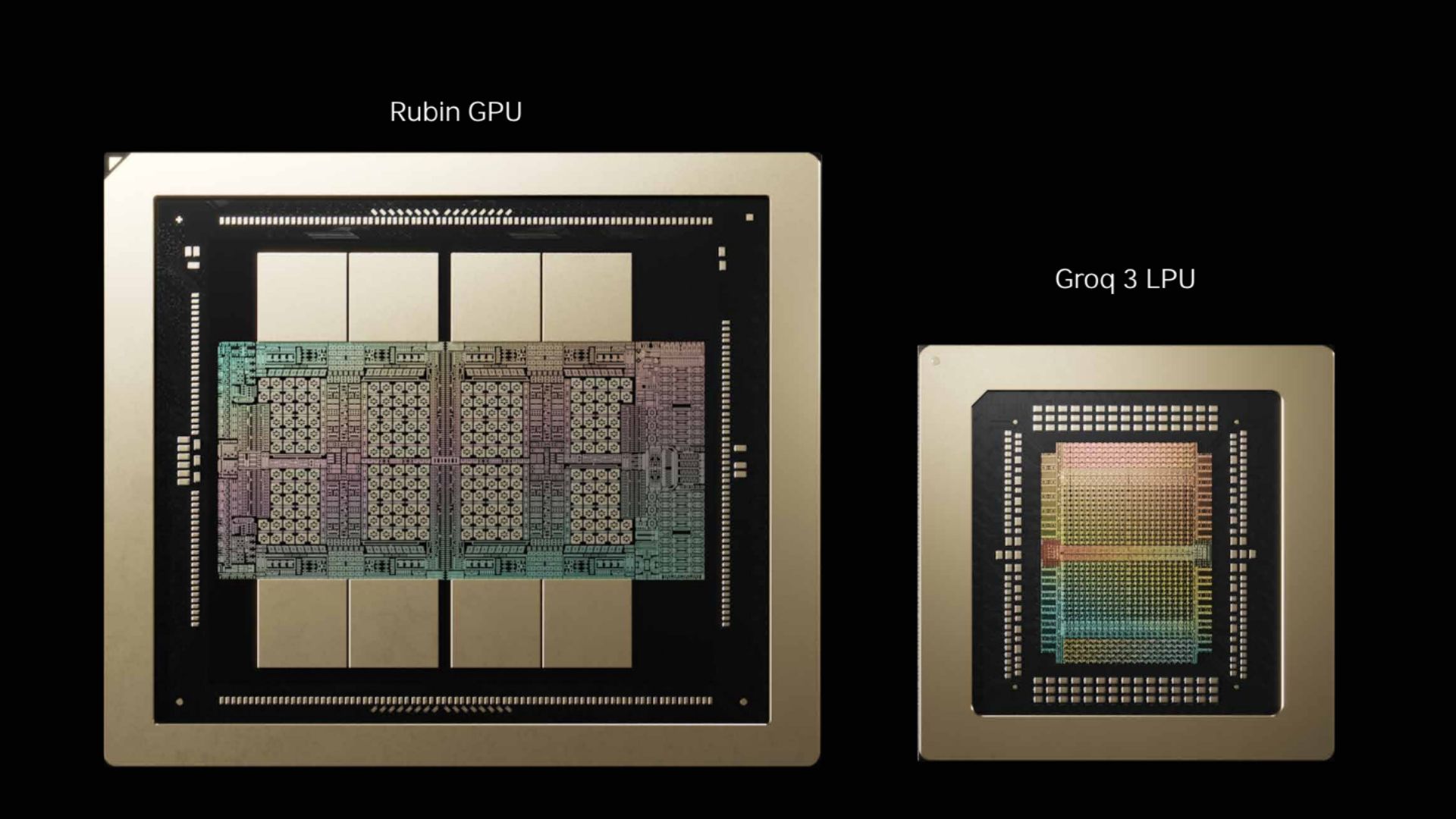
Groq builds Language Processing Units (LPUs) — a deterministic, software-scheduled inference architecture with large on-chip SRAM that targets the lowest, most predictable LLM latency; its viral GroqChat demo showed 500+ tok/s. Founded by ex-Google TPU lead Jonathan Ross. Raised a $750M Series E in September 2025 at a $6.9B valuation. In December 2025 Nvidia struck a reported ~$20B 'not-an-acquisition' — a non-exclusive license of Groq's hardware IP plus the hire of Ross, president Sunny Madra, and several senior engineers, with Groq's investors paid out in cash. Groq remains an independent company: GroqCloud keeps operating under interim CEO Adam Winter and CFO Matt Eng, and the company is raising ~$650M from existing backers to scale its inference cloud.
Groq's LPU posts among the fastest publicly measured LLM inference speeds — validation that drew a reported ~$20B Nvidia deal to license the technology and hire its leadership, even as Groq pushes on independently with GroqCloud.
At a glance
Total raised
$2.0B
Headcount
—
Headquarters
Mountain View
 United States
Founded
2016
Status
Private
Latest valuation
Funding history
Total raised
$2.0B
Rounds tracked
5
Latest stage
Series F
Latest valuation
$3.5B
| Date | Stage | Amount | Valuation | Lead investors |
|---|---|---|---|---|
| Aug 17, 2026 | Series F | $350M | $3.5B | Nvidia |
| Sep 17, 2025 | Series E | $750M | $6.9B |