Micron (MU) is a publicly traded Memory company founded in 1978 and based in Boise, USA.
| Date | Stage | Amount | Valuation | Lead investors |
|---|---|---|---|---|
| Jun 1, 1984 | IPO | — | — | — |
Micron reported record Q3 FY2026 revenue of $41.46 billion, up 346% year-over-year from $9.30 billion, with GAAP net income of $28.24 billion ($24.67 diluted EPS) and $28.86 billion adjusted ($25.11 EPS). The company cited AI-driven memory demand and execution of multi-year Strategic Customer Agreements. All four business units expanded margins significantly: Cloud Memory, Core Data Center, Mobile and Client, and Automotive and Embedded segments all showed dramatic gross margin expansion. Operating cash flow reached $25.39 billion, with adjusted free cash flow of $18.30 billion. For Q4, Micron guided revenue of $50.0 ± $1.0 billion with ~86% gross margin and diluted EPS of $30.73 ± $1.00 ($31.00 adjusted). Key product wins include high-volume HBM4 shipments, advanced DDR5 RDIMMs, and new automotive NAND solutions.
Q4 FY2026 revenue $50.0 ± $1.0B; gross margin ~86%; diluted EPS $30.73 ± $1.00
Micron is one of only three companies on earth that can make leading-edge DRAM — an oligopoly protected by tens of billions in entry cost and decades of process learning — but inside that oligopoly memory is still a commodity where the cycle, not the supplier, sets the price. HBM changes the texture: qualification into AI accelerators locks supply relationships for years and currently sells out ahead of production. Demand for memory itself is unavoidable even when the buyer can switch vendors. The watch items are the brutal capex treadmill and China's CXMT grinding at the commodity end of the book.

Micron commits $500M to GlobalWafers' Texas wafer plant and raises total planned US spending to $250B through 2035.

Micron invests $250B to build the largest U.S. chip plant in Clay, New York.

Micron commits $500M to GlobalWafers' Texas 300mm wafer plant via strategic financing and a 10-year offtake deal, raising total US spending plans to $250B through 2035.

Micron raises DRAM investment to $250B+ through 2035; Apple commits $30B+ to Broadcom custom silicon.

Memory shortages push budget smartphone costs up — DRAM and NAND now account for up to 64% of BOM, driving a projected 22% shipment decline.

Longsys, Lexar's parent, forecasts a 60,000%+ profit surge to ~$1.5B for 1H26 on AI-driven memory demand.
Micron's stacked high-bandwidth memory for AI accelerators, the core of its AI growth story. Its 12-high HBM3E (36GB) is among the industry's most power-efficient, with ~30% lower power than rivals, and ships into Nvidia's Hopper/Blackwell platforms. Micron is now in high-volume production of HBM4 36GB 12-high, hitting 11+ Gb/s pin speeds and 2.8+ TB/s bandwidth, designed into Nvidia's Vera Rubin generation. Micron's entire 2026 HBM output is sold out under signed agreements.
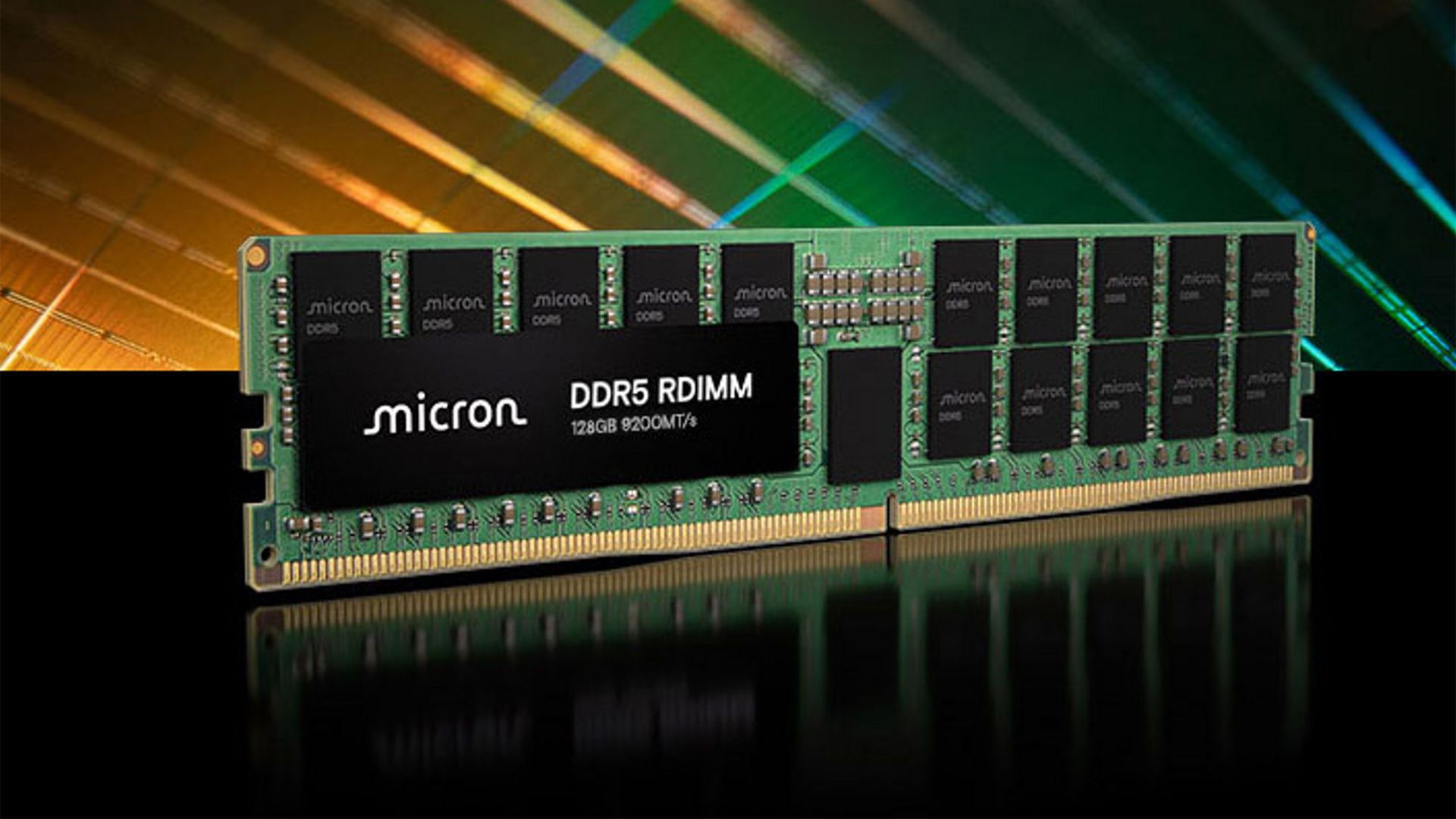
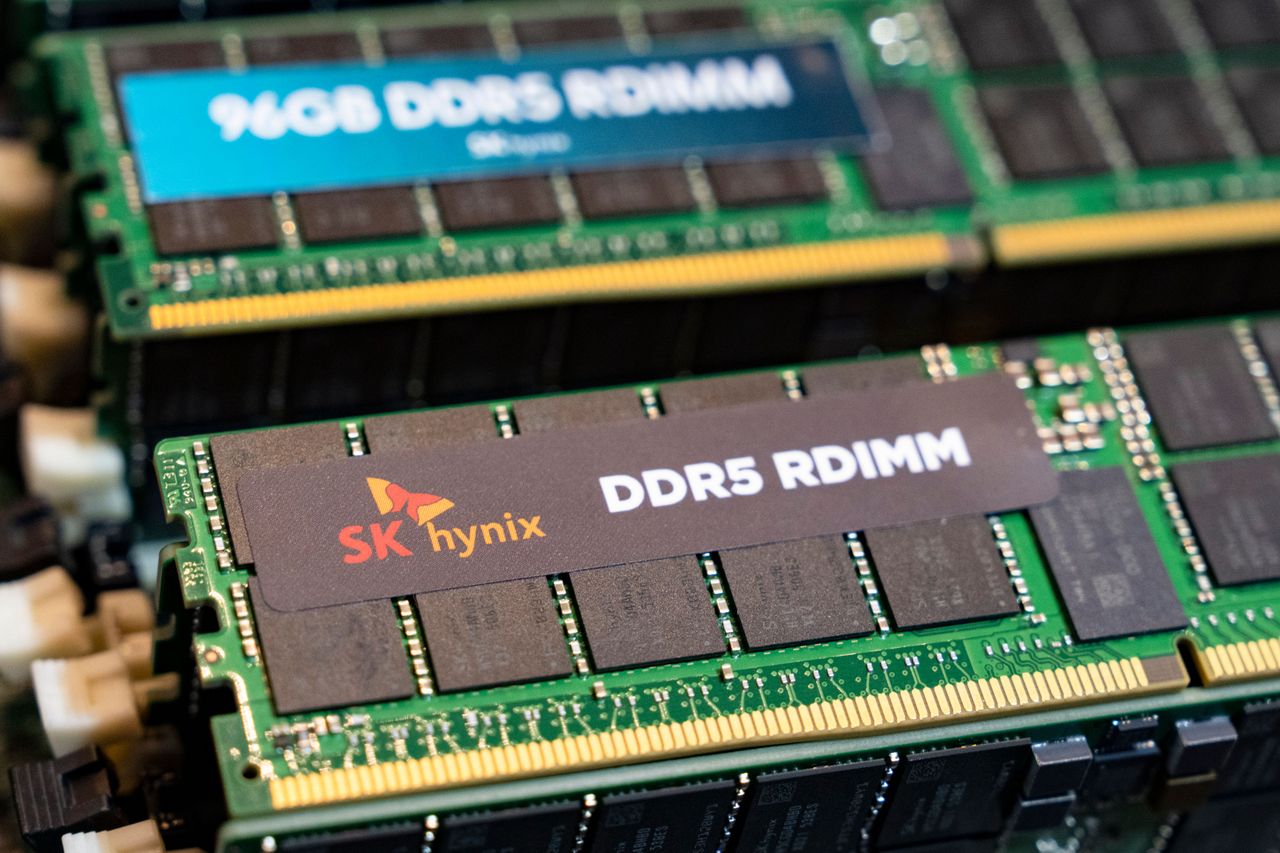
Micron's mainstream DRAM in module form for servers, PCs, and AI systems: high-capacity DDR5 RDIMMs/MRDIMMs for data centers, low-power LPDDR5X for mobile and AI inference, and SOCAMM, a compact, swappable low-power module co-developed for Nvidia's AI servers. These products carry Micron's leading-edge 1-beta and 1-gamma DRAM process nodes into the broad memory market alongside its HBM franchise.
Micron's graphics DRAM for GPUs and accelerators, shipping on Nvidia's Blackwell RTX 50-series cards. GDDR7 pushes pin speeds toward and beyond 40 Gbps, delivering the bandwidth needed for high-end gaming, workstation, and AI-inference GPUs. It is a key piece of Micron's portfolio for accelerated computing outside the HBM stack.
Micron's flagship enterprise NAND storage. The PCIe Gen5 9550 NVMe targets AI training and data-center workloads with high throughput and power efficiency, while the newer 9650 is among the first PCIe Gen6 data-center SSDs, reaching up to 28 GB/s sequential reads and 5.5M random-read IOPS in liquid-cooled environments. These drives anchor Micron's storage business built on its vertically integrated 3D NAND.
555 patents on file, but none with both an extractable figure and an abstract on Google Patents yet.