SK Hynix (000660.KS) is a publicly traded Memory company founded in 1983 and based in Icheon, South Korea.
| Date | Stage | Amount | Valuation | Lead investors |
|---|---|---|---|---|
| Jan 1, 1996 | IPO | — | — | — |

Microsoft releases Project Zenith, a stripped-down Windows 11 for AI developers, debuting on AMD's Ryzen AI Halo platform and requiring 64GB+ RAM with 250GB/s bandwidth.

Nvidia reportedly warns customers of 15%+ price hikes on Grace Blackwell and Vera Rubin AI servers, driven by soaring DRAM costs.

CXMT's DDR5 ICs overclock to DDR5-8800 on AMD's X870E platform, closing the performance gap with SK hynix's leading dies.
SK Hynix's stacked high-bandwidth memory that made it the leading HBM supplier for AI accelerators. Its 12-layer HBM3E (36GB) is the workhorse memory on Nvidia's flagship GPUs, and the company has held over 50% of the HBM market through the HBM3/HBM3E generations. Co-developed closely with Nvidia, HBM3E is the 'fuel' for training trillion-parameter models and the single biggest driver of SK Hynix's record AI-era profits.
SK Hynix's next-generation HBM, debuted at CES 2026 as a 16-layer 48GB stack. HBM4 widens the memory interface and raises bandwidth and capacity to feed next-generation accelerators such as Nvidia's Vera Rubin platform. SK Hynix aims to extend its HBM market leadership into the HBM4 generation, where it competes head-to-head with Micron and Samsung for hyperscaler and AI-lab design wins.
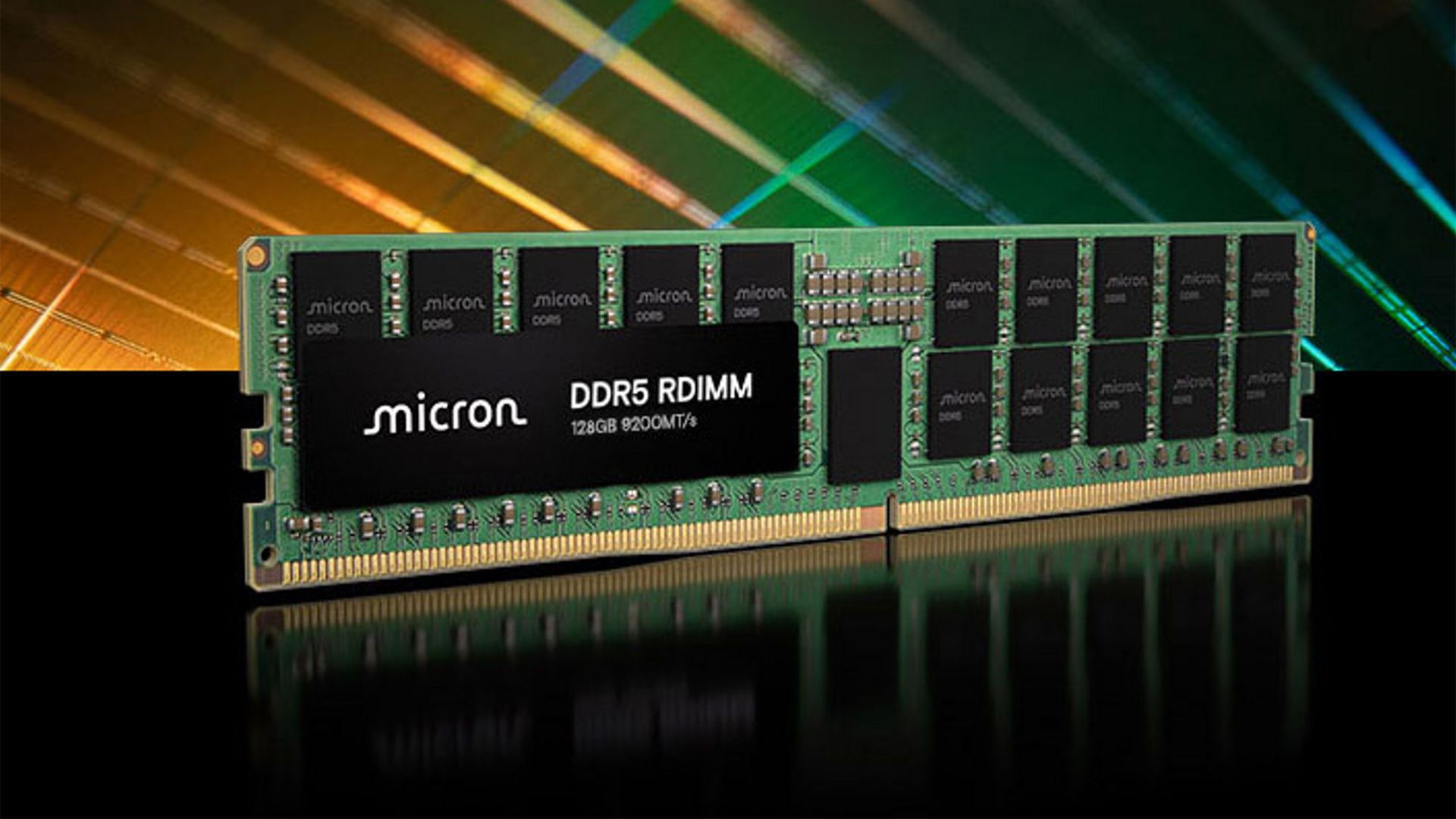
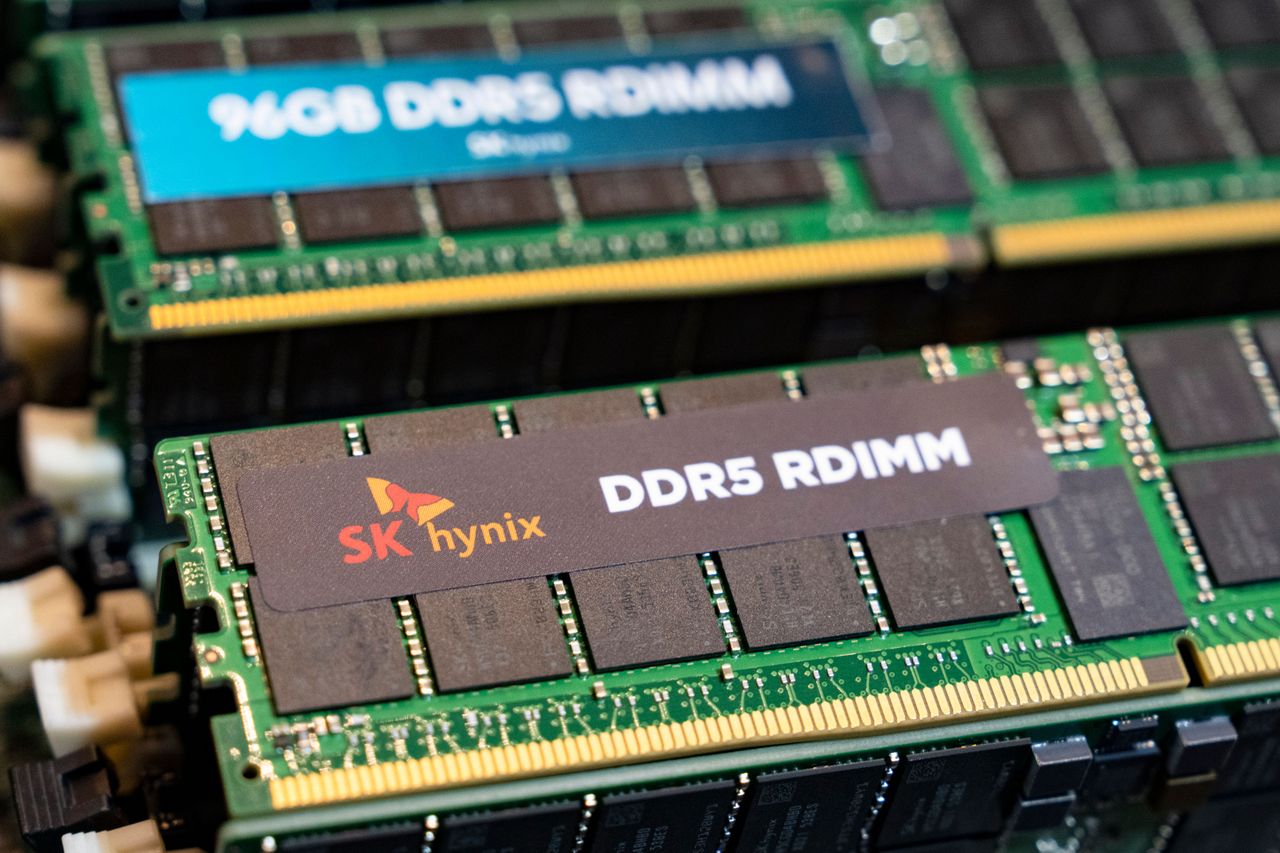
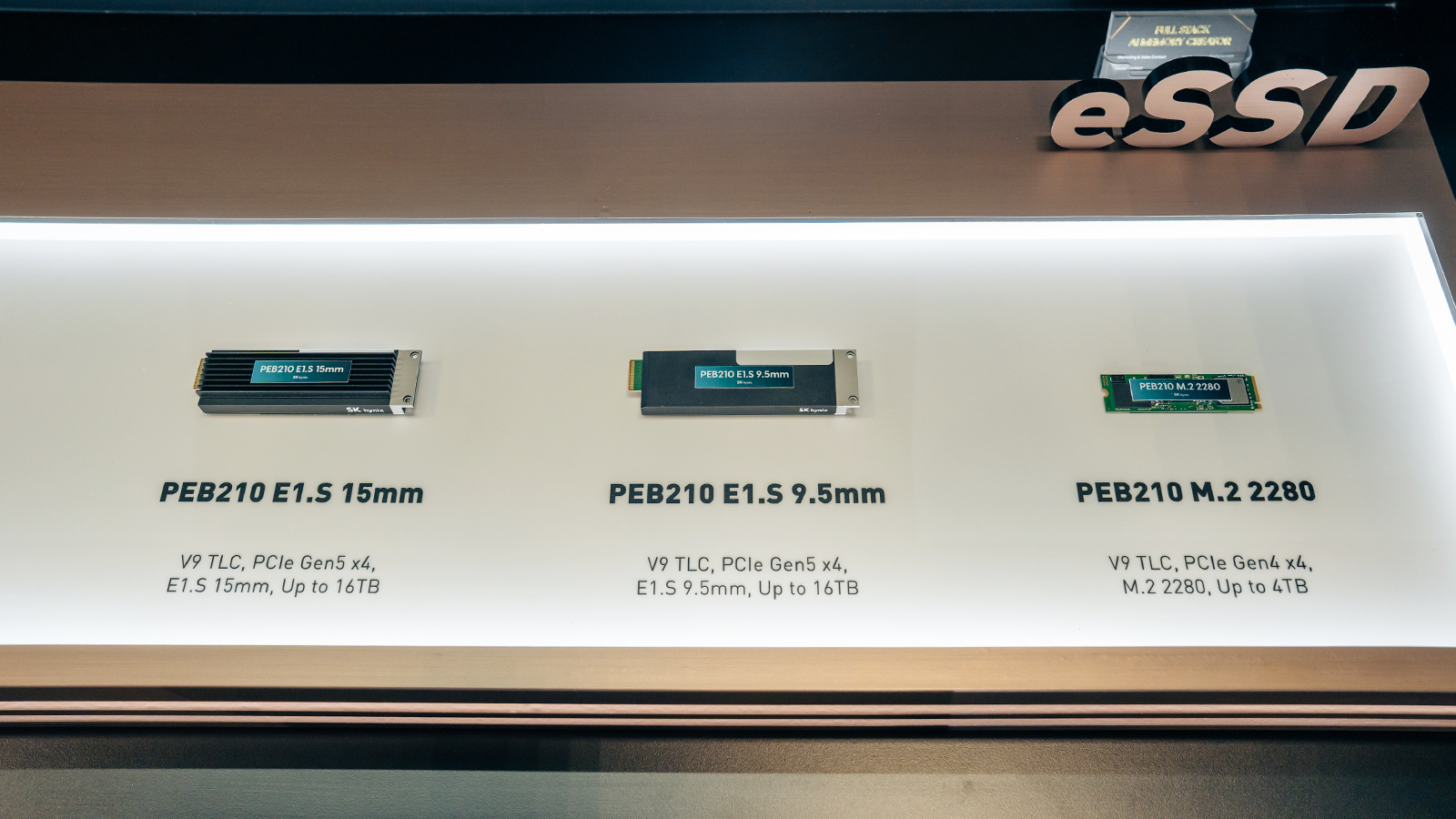
Beyond HBM, SK Hynix supplies server DDR5, low-power LPDDR, and compact SOCAMM2 modules for AI servers, plus high-capacity enterprise NAND SSDs through its Solidigm subsidiary (the former Intel NAND business). This broad memory-and-storage portfolio lets SK Hynix serve the full AI data-center stack, from accelerator-attached HBM to bulk DRAM and QLC storage for AI datasets.
563 patents on file, but none with both an extractable figure and an abstract on Google Patents yet.