Samsung (005930.KS) is a publicly traded Headsets & Spatial OS company founded in 1969 and based in Suwon, South Korea.
| Date | Stage | Amount | Valuation | Lead investors |
|---|---|---|---|---|
| Jun 11, 1975 | IPO | — | — | — |
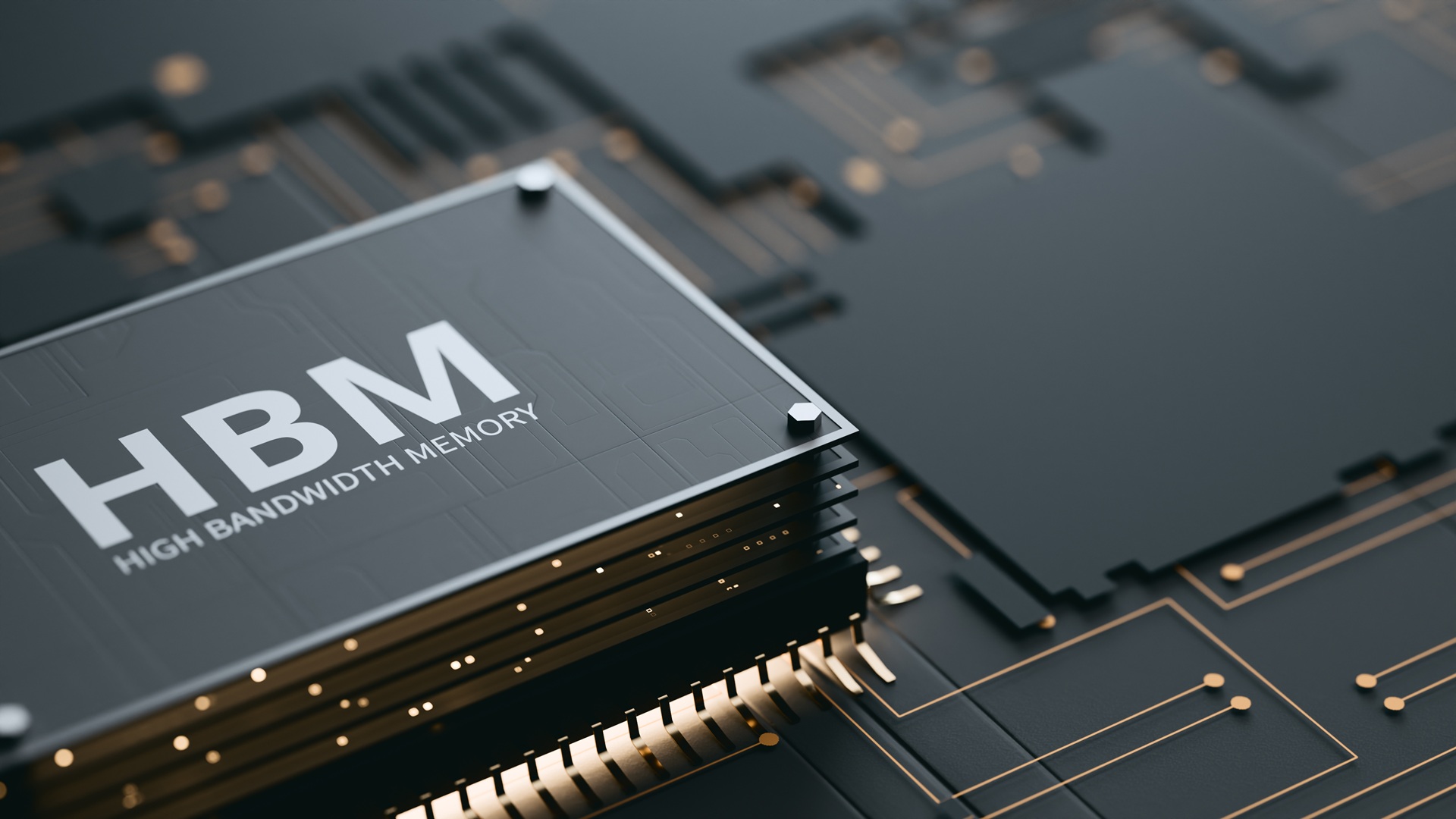
Huawei's AI memory design reportedly has twice the interface width of Samsung's HBM4.
Samsung and SK Hynix are reportedly gaining secure access to YMTC's NAND flash technology.
Samsung splits its home appliance and air conditioning operations into separate units in a major restructure.

Huawei unveils a memory design claiming 2X data-pin density, positioned against Samsung and SK Hynix.
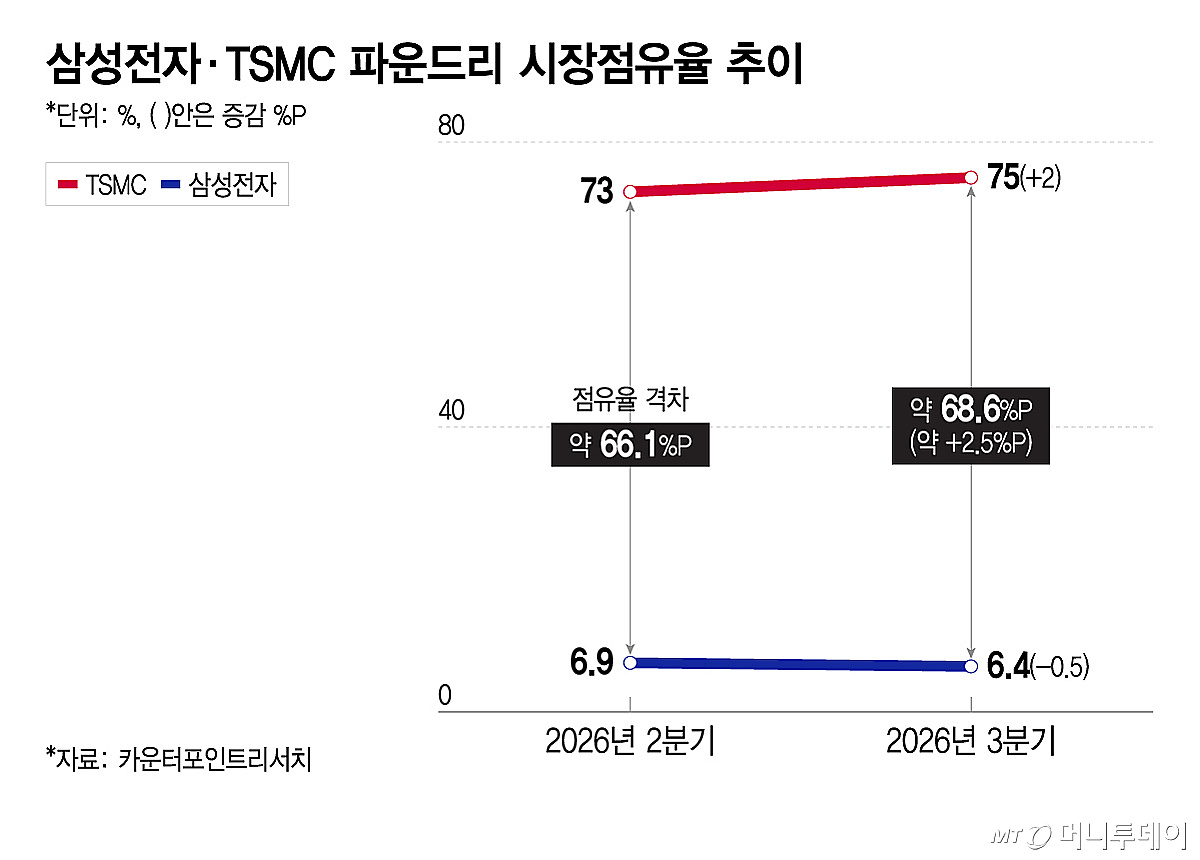
AI chip demand widens the foundry gap between TSMC and Samsung, as Samsung pursues a new strategy.

Huawei and CXMT are positioned to challenge Samsung and SK Hynix in memory research at ISSCC 2027, per a thin trade write-up.
Samsung Foundry's 2nm-class node built on Gate-All-Around (MBCFET nanosheet) transistors, which Samsung adopted ahead of TSMC at 3nm and now extends to SF2. It improves performance, power, and area over SF3 and adds an Extreme High Density (xHD) library to shrink area further, while staying design-compatible with SF3. SF2 is central to Samsung's bid to close the leading-edge foundry gap with TSMC and win AI and HPC silicon.
Samsung's high-bandwidth memory for AI accelerators, branded Shinebolt. The 12-layer (36GB) stack delivers up to ~1,180 GB/s of bandwidth at 9.2 Gbps per pin. Shinebolt is Samsung's entry in the fierce HBM race against SK Hynix and Micron to supply memory for Nvidia and other AI chips, an area where Samsung has worked to requalify its parts and regain share.
Samsung's next-generation HBM, which entered mass production in early 2026 after qualification sampling to Nvidia. Built on advanced 1c DRAM with a 4nm logic base die, it delivers up to ~2.7x higher throughput and ~40% better power efficiency than HBM3E, with a 2,048-bit interface enabling up to ~3,300 GB/s. Samsung reportedly sold out its entire 2026 HBM4 capacity, underscoring the memory crunch driving the AI buildout.
As the world's largest memory maker, Samsung supplies leading-edge DDR5 and LPDDR DRAM on its 1b/1c nodes plus high-layer-count V-NAND flash for SSDs across data-center, mobile, and PC markets. This commodity-and-premium memory franchise, alongside HBM, makes Samsung a primary supplier of the DRAM and storage that AI servers and consumer devices depend on.
Galaxy XR is Samsung's AI-first mixed reality headset powered by Android XR, featuring dual 4K micro-OLED displays (3,552 x 3,840 per eye resolution), hand and eye tracking, and Google's Gemini AI assistant. Built in partnership with Google and Qualcomm, it delivers immersive spatial computing with access to Android apps and optimized XR experiences. Priced at $1,799, it targets prosumers and enterprise users seeking an alternative to Apple Vision Pro with extended reality capabilities and AI integration.
The Galaxy S26 represents Samsung's flagship smartphone line featuring advanced AI capabilities, the industry's first Privacy Display on mobile, next-generation Snapdragon chipset, enhanced camera systems with advanced computational photography, and extended battery life. Launched in 2026, it demonstrates Samsung's commitment to making AI personal and adaptive, with features designed to enhance daily productivity and creative capabilities for mainstream smartphone users.
Samsung's latest foldable smartphone combining a compact sealed design with innovative form factor engineering. The device features advanced display technology, seamless hinge mechanisms, and deep integration with Galaxy AI features. The Z Fold7 is thinner and lighter than previous generations, positioned as the flagship foldable offering premium multitasking and productivity capabilities for power users who demand cutting-edge mobile technology.